
Midas Gold mining project at Stibnite would be a bust for central Idaho
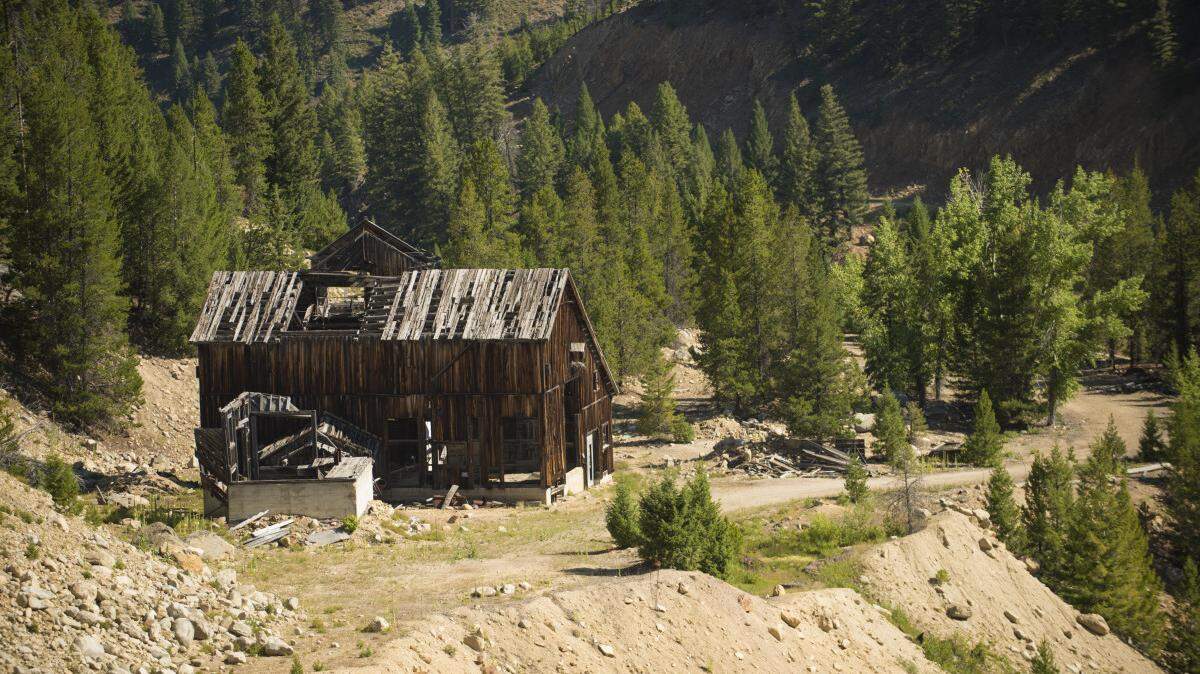
When serving as Illinois’ lieutenant governor, I had responsibility for state reclamation projects of abandoned strip mines. Strip-mining companies would strip away the topsoil to mine a mineral. That caused soil erosion as rain washed the loosened topsoil into streams, and sediments polluted waterways and ugly swaths of overturned earth and rock scarred the land. Too often, the companies that promised to get the land back in shape left the taxpayers with the job of paying for cleaning up the site and reclaiming it for other uses.
The current proposal by Midas Gold for the Stibnite Gold Project, an open-pit gold mine proposed for operation about 40 miles east of McCall near Yellow Pine, brought back memories of mining companies that always promise the moon but then deliver contamination of water and land. According to The Associated Press, this particular site has two open pits and extensive tailings left from mining operations dating back a century. Not unlike my experience in Illinois, “mining companies have walked away, leaving the cleanup to U.S. taxpayers,” with the U.S. EPA spending about $4 million since the 1990s, according to the AP.
What’s particularly troublesome about this project is how Idaho’s politicians have lined up to support the Midas Gold project or simply failed to register any concern about an impact that will roughly double the size of the already disturbed mining area to about 2,000 acres and eliminate some previous reclamation work. There is a long history of abuse by former mining companies at the Midas site and little reason to believe this time it will be different, but not a peep from Idaho’s elected officials. The company even brags on its website about the Idaho Legislature’s Joint House Memorial in 2018 with leadership from Republican and Democratic caucuses calling on federal agencies to approve the project.
Outdoors, conservation and environmental organizations in concert with Native American leaders have questioned the impact of the proposed mine project on surface and groundwater quality which affects fish, wildlife and the natural resources at the headwaters of the South Fork of the Salmon River and adjacent to the Frank Church River of No Return Wilderness.
The Stibnite mine not only has the potential of destroying central Idaho’s natural resources, but it will also upset and change the towns and traffic of central Idaho. Trucks barreling up and down two-lane roads that have served hikers, campers and fishers quite well will make those trips to the backcountry far less desirable, and McCall and other central Idaho communities will experience more truck congestion. The Midas website claims more than 1,000 jobs will be created. Imagine just what the traffic from an additional 1,000 jobs will do to two-lane roads and the streets of small towns in the region. Has the Idaho Department of Transportation weighed in on that? I’ll bet not.
Unfortunately for anyone in Idaho who expects its congressional delegation to voice concern, forget it. (The president of Midas Gold, Laurel Sayer, served on Congressman Mike Simpson’s staff.) It took members of Congress from other states who had problems dealing with mining companies in their jurisdictions to blow the whistle on Midas Gold in Idaho earlier this year.
Here’s how that happened. The U.S. Forest Service originally denied Midas Gold’s efforts to write the biological assessment analyzing the potential effect the open-pit mines would have on salmon, steelhead and bull trout protected under the Endangered Species Act. (Whoever heard of the mining company in question performing the official assessment of how its operations will impact the environment?) Strangely enough, that decision was reversed, and Midas Gold was writing the biological assessment document on the impact of its own mine, a job traditionally for the Forest Service or an independent contractor with no connections to the company in question.
Although Idaho’s congressional delegation remained silent, last January U.S. Rep. Betty McCollum, D-Minnesota, chairwoman of the House Appropriations Interior-Environment Subcommittee, called for the records leading to the Forest Service decision to hand over the biological assessment to Midas Gold. She said that “allowing a mining company to author its own (biological assessment) on its project’s potential impacts to (Endangered Species Act)-listed species creates potential conflicts of interest and undermines public confidence in the permitting process.” Five other members of the subcommittee joined McCollum in her request.
In this case, McCollum has good reason to be suspicious of the reversal by the Forest Service to do the biological assessment. One of President Trump’s big-dollar fundraisers, billionaire John Paulson, recently bought the majority stake in Midas Gold, leaving it to your imagination as to how his influence with Trump might affect the regulatory process on the Idaho project as it moves forward.
Even Idaho Gov. Brad Little played a supporting role. When he was lieutenant governor, he and his family sold Midas Gold 25 acres for its planned logistics center.
Idaho’s elected officials have declared large swaths of Idaho “wilderness,” to their credit, but our current congressional delegation has no problem ignoring efforts to expand on previously failed mining projects that will denude even more land and water. Central Idaho has become a mecca for recreation and tourism and it is very difficult to envision how a mining project of this size just 40 miles east of McCall in the middle of wild Idaho could do nothing but forever change the landscape, environment and small-town ambiance of these resort communities.
Over the years, I’ve taken lots of ribbing from Idaho pols about coming from Illinois whose public officials infamously mastered the art of the political deal. From what I can tell, Idaho’s pols in this case make their Illinois counterparts look like pikers when it comes to tossing in with a mining company that has all the deals lined up for a significant disfigurement of central Idaho.