Endorsement: Who should replace Rep. Lauren Necochea in House seat 19A? | Opinion
READ MORE
2024 Election endorsements
The Idaho Statesman editorial board’s endorsements for Ada County Commission, state Legislature and U.S. House of Representatives in the 2024 general election.
Expand All
The “Church for Idaho” signs sprouting up around Legislative District 19 have some voters feeling nostalgic for the good-old days, when much-revered Frank Church represented the Gem State in the U.S. Senate as a Democrat.
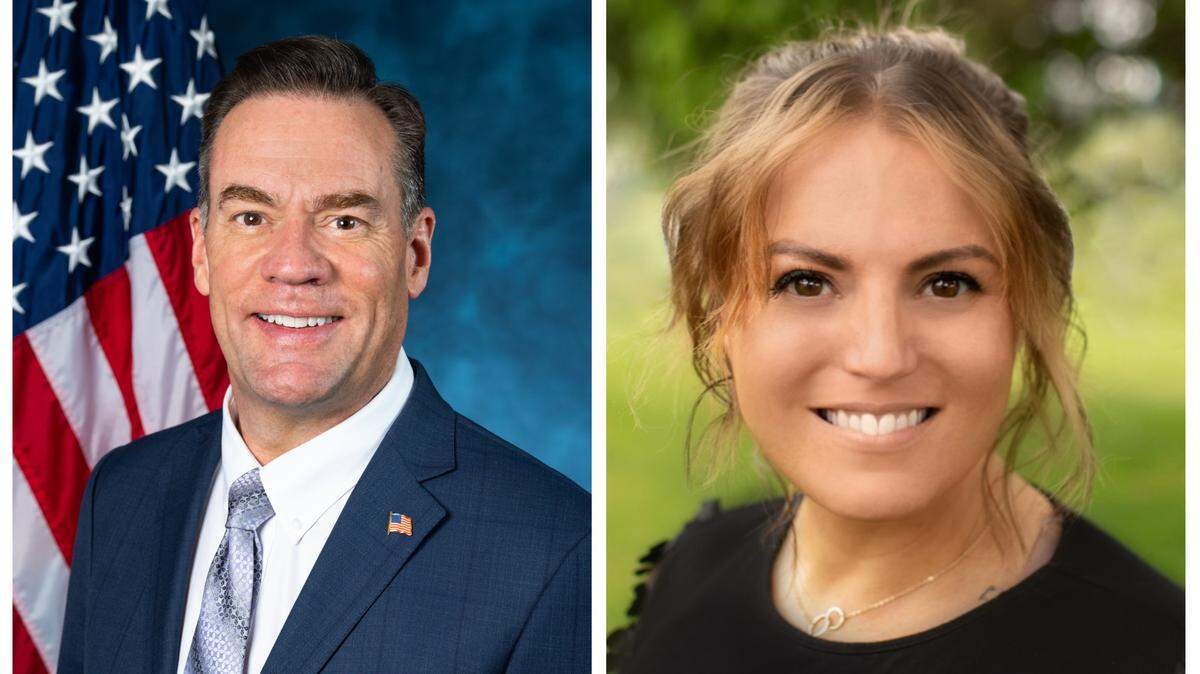
Those signs are for a new generation of Church running for political office: Monica Church, who is running as a Democrat for state representative, seat A, to replace outgoing Lauren Necochea.
What you might not have noticed in those signs is that the blue color is intended to closely match the blue of campaign signs for another beloved Idaho icon: the late Gov. Cecil Andrus.
That’s because Monica Church is not only the granddaughter of Frank Church; she’s also the granddaughter of Cecil Andrus.
It’s tough to argue with that kind of political lineage.
It was perhaps just a matter of time before Monica Church, a schoolteacher and former executive director of the Frank Church Institute at Boise State, jumped into politics.
Her demeanor and thoughtful, common sense articulation of her positions show she’s ready to carry on the legacy of the Church and Andrus names.
Her opponent, Republican James Feederle, did not respond to an invitation to interview with the editorial board.
But during Feederle’s 2020 campaign, in which he lost to Necochea, he trotted out the stereotypical right-wing talking points of supporting every plank of the Republican Party platform and being “pro-life,” “pro-police” and “pro-2A.”
The Idaho Statesman editorial board endorses Monica Church for state representative seat A in District 19.
It seems fitting that Monica Church would replace Necochea, as Church in many ways reminds us of Necochea, who was an effective, intelligent and sensible leader in the Idaho House.
We see the same qualities in Church.
Above all, she wants to advocate for public education and does not favor vouchers. She wants to protect public lands in Idaho (a hallmark of her grandfathers’ platforms).
She wants to advance local control to allow local cities and counties to control their own destinies and make their own decisions without interference from a heavy-handed state government. She favors allowing for local option taxes.
As a legislator, she would favor changes to Idaho’s strict abortion law to, at the very least, provide for more clarity when it comes to protecting the health of the mother.
She favors eliminating the state sales tax on groceries.
Church said, as a legislator, she would seek out experts and studies and spend time examining an issue before making a decision.
She said too often in debates about these issues, “there’s a lack of authentic investment in the truth.”
She acknowledged that sometimes difficult legislation, whether it’s an abortion ban, library book ban, gender-affirming care ban, needs more than one session to pass.
“First and foremost, I would get information,” she said. “I would meet with the experts. I would meet with families. I would gather information. And it may take multiple legislative sessions to do that, to feel fully ready to make decisions that are going to affect people’s right to make their own choices.”
Imagine that.
This story was originally published October 30, 2024 at 4:00 AM.
BEHIND THE STORY
MOREHow we write endorsements
Who decides the endorsements?
Members of Idaho Statesman editorial board interview political candidates, as well as advocates and opponents of ballot measures. The editorial board is composed of journalists and community members. Members of the Statesman editorial board are: Statesman editor Chadd Cripe, opinion editor Scott McIntosh, opinion writer Bryan Clark, assistant editor Jim Keyser and community members John Hess, Debbie McCormick and Julie Yamamoto.
What does the endorsement process entail?
The Statesman editorial board meets with political candidates and asks them a series of questions about policy issues. The editorial board discusses the candidates in each race. Board members seek to reach a consensus on the endorsements, but not every decision is unanimous. The editorial board generally will not endorse a candidate who does not agree to an interview with the board members.
Is the editorial board partisan?
No. In making endorsements, members of the editorial board consider which candidates are well-prepared to represent their constituents — not whether they belong to a particular political party. We evaluate candidates’ relevant experience, their readiness for office, their depth of knowledge of key issues and their understanding of public policy. We’re seeking candidates who are thoughtful and who offer more than just party-line talking points. The editorial board will endorse both Republicans and Democrats. We make recommendations about who the best-qualified candidates for these jobs are.
Why are endorsements unsigned?
Endorsements reflect the collective views of the Statesman’s editorial board — not just the opinion of one writer. Board members all discuss and contribute ideas to each endorsement editorial.
Do I have to vote for the candidate the Statesman endorses?
Of course not. An endorsement is just our recommendation based on the candidates’ backgrounds and their answers to editorial board questions.
Can I disagree with the Statesman’s endorsement?
Of course you can. We encourage voters to do their own research and choose the candidate who best represents your views.
Want your say?
Readers are encouraged to express their thoughts by submitting a letter to the editor. Click on “Submit a letter or opinion” at idahostatesman.com/opinion.
Want more opinions each week?
Subscribe to The Idaho Way weekly email newsletter, a collection of editorials, columns, guest opinions and letters to the editor from the Opinion section of the Idaho Statesman each week. You can sign up for The Idaho Way here.