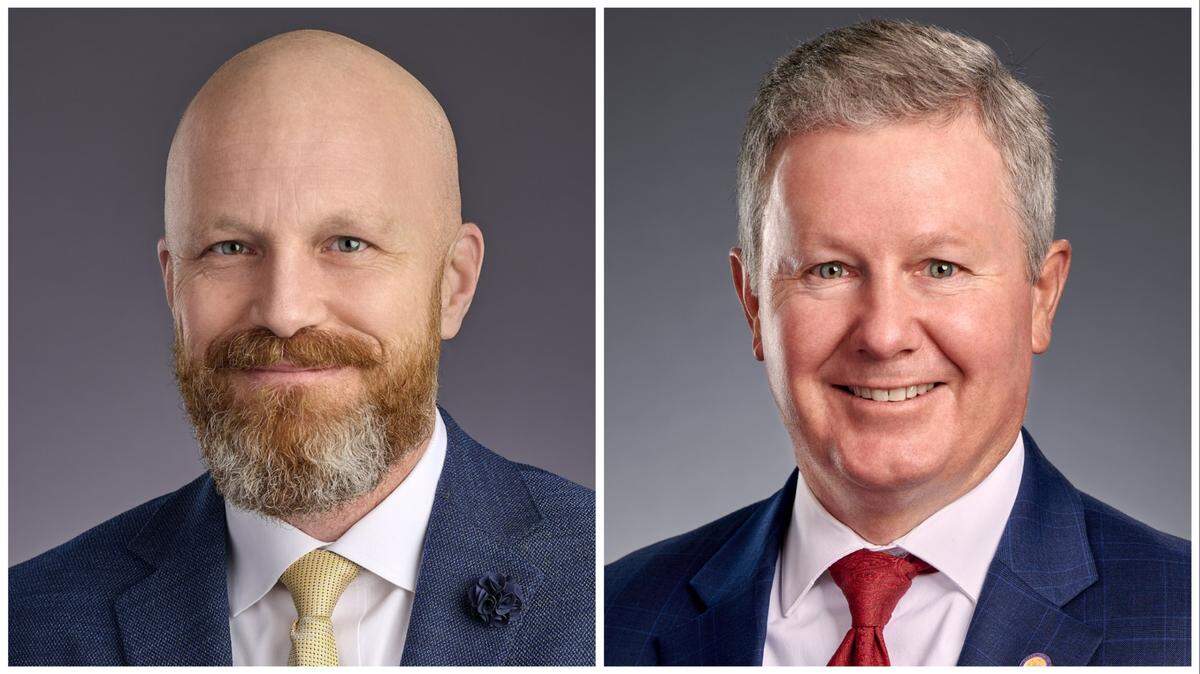
Endorsement: Senate challenger says he’s a ‘Kennedy Democrat.’ Is he really? | Opinion
READ MORE
May 2024 primary endorsements
Check here for the Idaho Statesman Editorial Board’s picks in the May 2024 primary election.
Expand All

Idaho Sen. Ali Rabe, D-Boise, has been a good legislator for her constituents in District 16 and when she was a senator in District 17.
The executive director of Jesse Tree of Idaho, a local nonprofit organization that seeks to prevent homelessness, Rabe naturally gravitates to housing issues, and she’s been successful in getting legislation passed.
She was able to help to direct $50 million of federal dollars into Idaho’s long-dormant workforce housing fund. She got a bill passed that requires rental fees to be clearly listed and reasonable. She passed a bill, with Republican Rep. Clay Handy, that gives those who have been evicted a second chance, and her bill to protect licensed homeless youth shelters and behavioral health youth crisis centers to serve homeless and runaway youth also passed this session.
Even though she’s in the superminority in the Legislature as a Democrat, Rabe has been an effective legislator.
The Idaho Statesman editorial board endorses Ali Rabe in the Democratic primary for Idaho Senate in District 16.
She is being challenged by Justin Mitson, a former Republican who says he is running to provide an alternative Democratic voice.
But he still sounds like a Republican. He said he would have voted to ban gender-affirming care for youth, and he said he doesn’t think Idaho’s strict abortion laws should change to make clear that abortions are allowed when the health of the mother is at risk.
Although he said he sees himself as a “John F. Kennedy Democrat,” he said he would have voted against approving federal dollars for a summer food program for needy students, saying it was a “new entitlement program that would hook school-aged kids on food stamps.”
That doesn’t sound like Kennedy, whose very first executive order, on Jan. 21, 1961, was to expand federal food distribution programs, followed by a series of food stamp pilot programs.
When asked what separates him from his opponent, he cited Rabe’s F rating by the Idaho Freedom Foundation. If Mitson is looking for a high score from the Idaho Freedom Foundation, he’s certainly running in the wrong party.
Beyond those specific issues, Rabe in general has a much firmer grasp of the issues and demonstrates a deeper understanding of legislation, such as the recently passed $2 billion schools facilities bill, one of the biggest pieces of legislation to come out of this session but which Mitson said he needed to research further.
On the positive side, you could say that, if elected, Mitson would work much better with Republicans in the Senate.
But Republicans already hold a supermajority in the Senate and House. Democrats need someone who will push back against Republicans’ bad legislation, such as the abortion ban, killing the summer food program and the government intrusion into personal medical decisions about gender-affirming care.
Rabe is already a proven advocate for Democratic Party ideals and has reached across the aisle to get some of her priorities passed.
She’s the clear choice for District 16.
This story was originally published May 16, 2024 at 11:36 AM.
BEHIND THE STORY
MOREHow we write endorsements
Who decides the endorsements?
Members of Idaho Statesman editorial board interview political candidates, as well as advocates and opponents of ballot measures. The editorial board is composed of journalists and community members. Members of the Statesman editorial board are: Statesman editor Chadd Cripe, opinion editor Scott McIntosh, opinion writer Bryan Clark, assistant editor Jim Keyser and community members John Hess, Debbie McCormick and Julie Yamamoto.
What does the endorsement process entail?
The Statesman editorial board meets with political candidates and asks them a series of questions about policy issues. The editorial board discusses the candidates in each race. Board members seek to reach a consensus on the endorsements, but not every decision is unanimous. The editorial board generally will not endorse a candidate who does not agree to an interview with the board members.
Is the editorial board partisan?
No. In making endorsements, members of the editorial board consider which candidates are well-prepared to represent their constituents — not whether they belong to a particular political party. We evaluate candidates’ relevant experience, their readiness for office, their depth of knowledge of key issues and their understanding of public policy. We’re seeking candidates who are thoughtful and who offer more than just party-line talking points. The editorial board will endorse both Republicans and Democrats. We make recommendations about who the best-qualified candidates for these jobs are.
Why are endorsements unsigned?
Endorsements reflect the collective views of the Statesman’s editorial board — not just the opinion of one writer. Board members all discuss and contribute ideas to each endorsement editorial.
Do I have to vote for the candidate the Statesman endorses?
Of course not. An endorsement is just our recommendation based on the candidates’ backgrounds and their answers to editorial board questions.
Can I disagree with the Statesman’s endorsement?
Of course you can. We encourage voters to do their own research and choose the candidate who best represents your views.
Want your say?
Readers are encouraged to express their thoughts by submitting a letter to the editor. Click on “Submit a letter or opinion” at idahostatesman.com/opinion.
Want more opinions each week?
Subscribe to The Idaho Way weekly email newsletter, a collection of editorials, columns, guest opinions and letters to the editor from the Opinion section of the Idaho Statesman each week. You can sign up for The Idaho Way here.