Idaho’s shame: Failure to maintain school buildings that are in deplorable condition | Opinion
READ MORE
Idaho’s crumbling schools
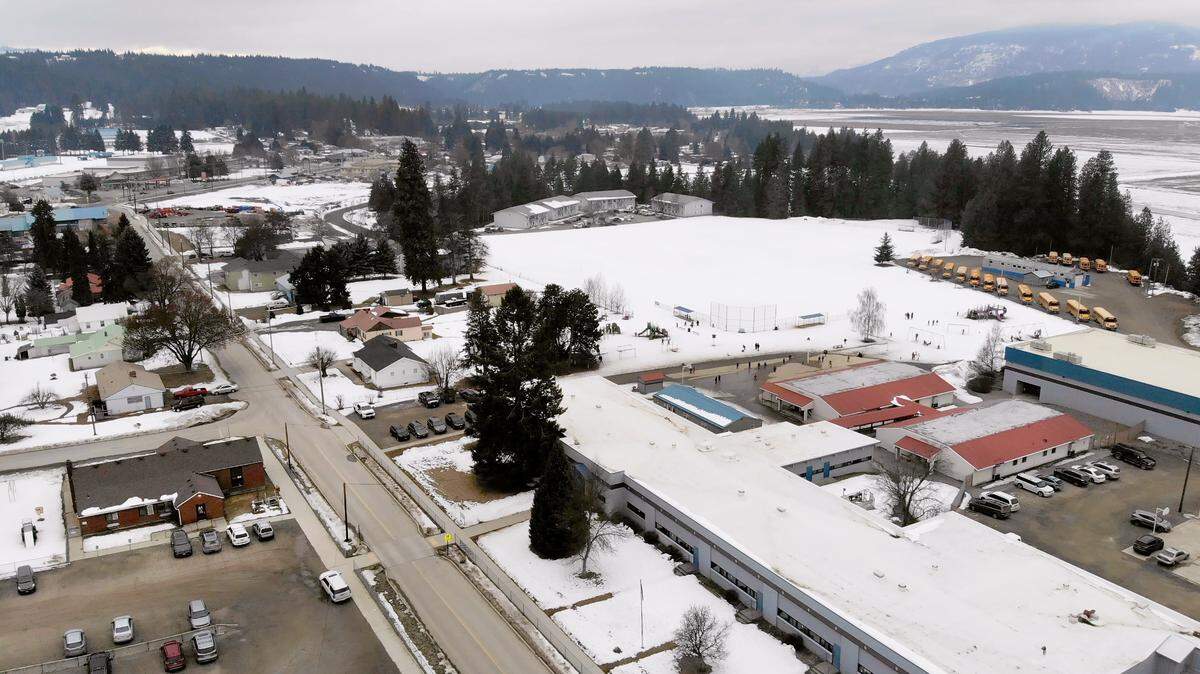
Idaho spends less on education per student than any other U.S. state. Public schools deteriorate every year, and state officials aren’t aware of the full problem.
Expand All
“(I)t shall be the duty of the legislature of Idaho, to establish and maintain a general, uniform and thorough system of public, free common schools.” – Idaho Constitution
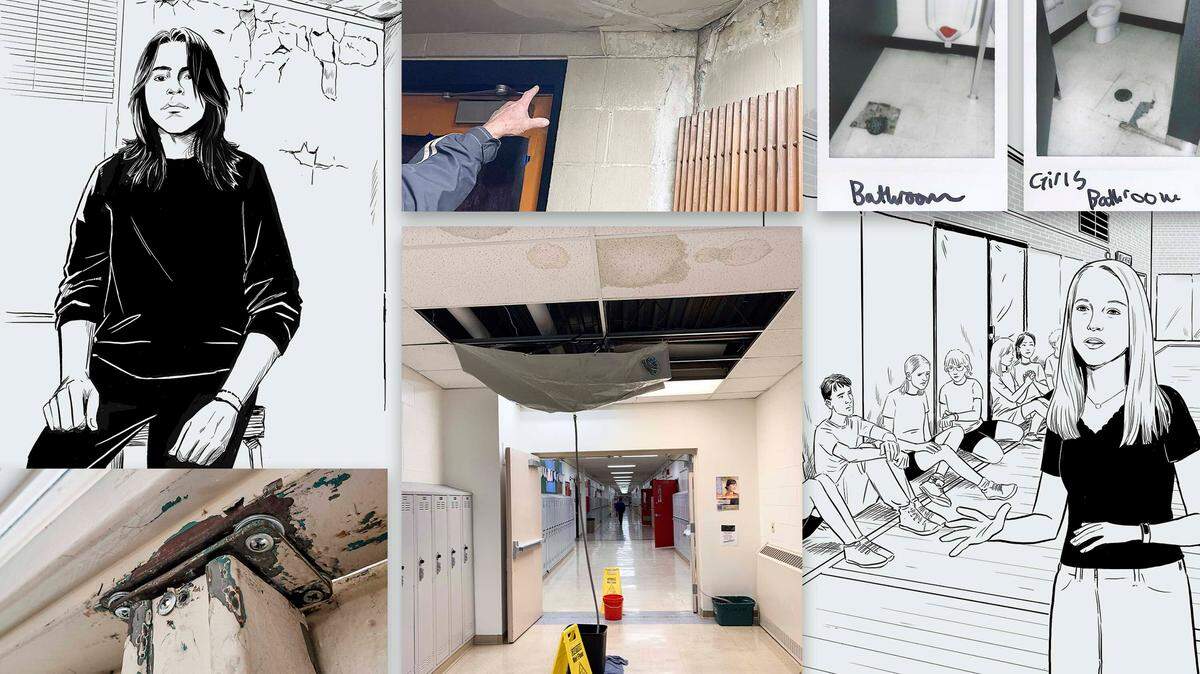
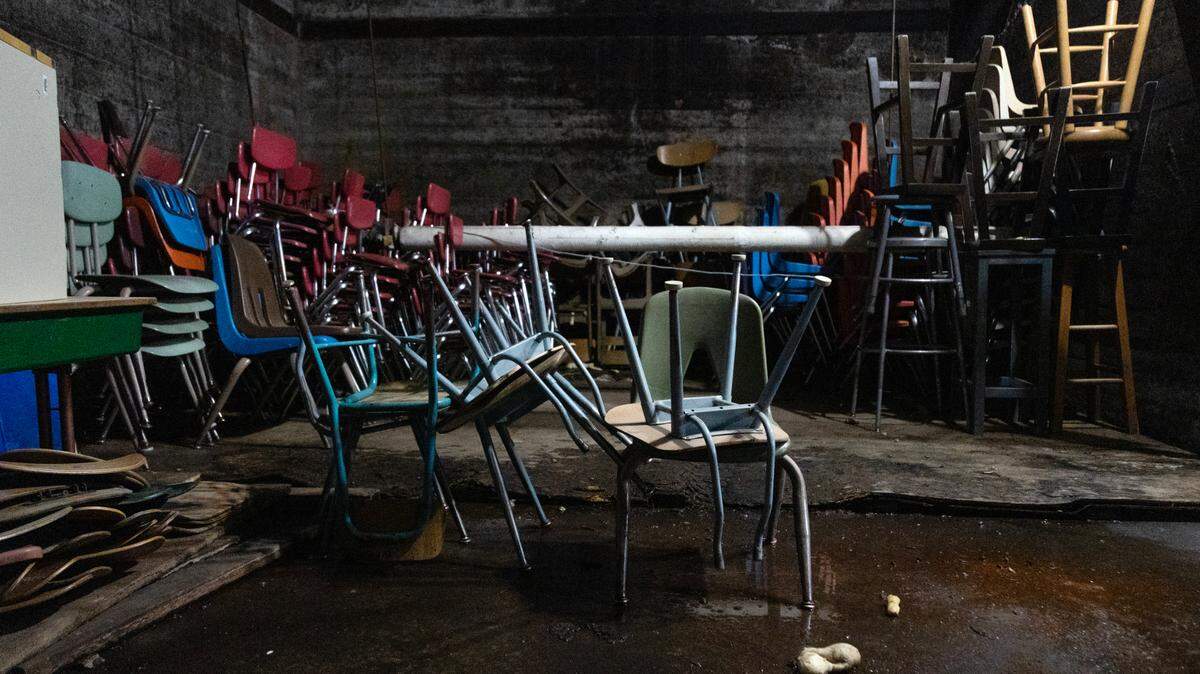
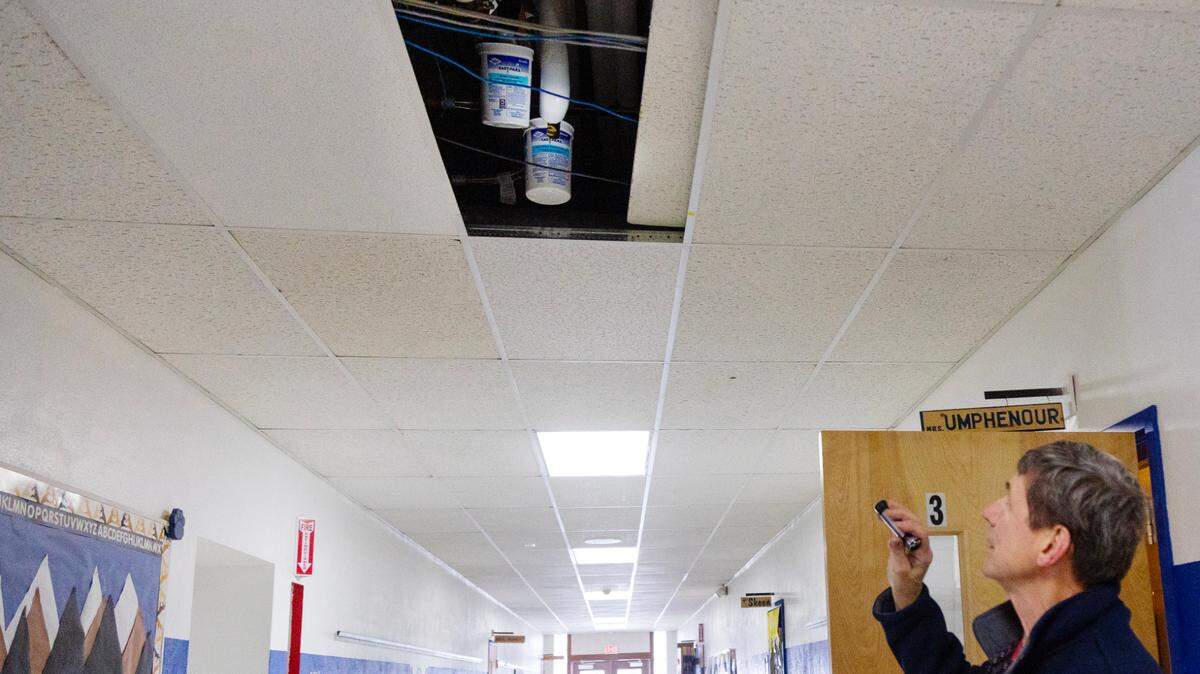
Some Idaho schools are in deplorable conditions, and each year that passes without solutions from the state, the problem only gets worse.
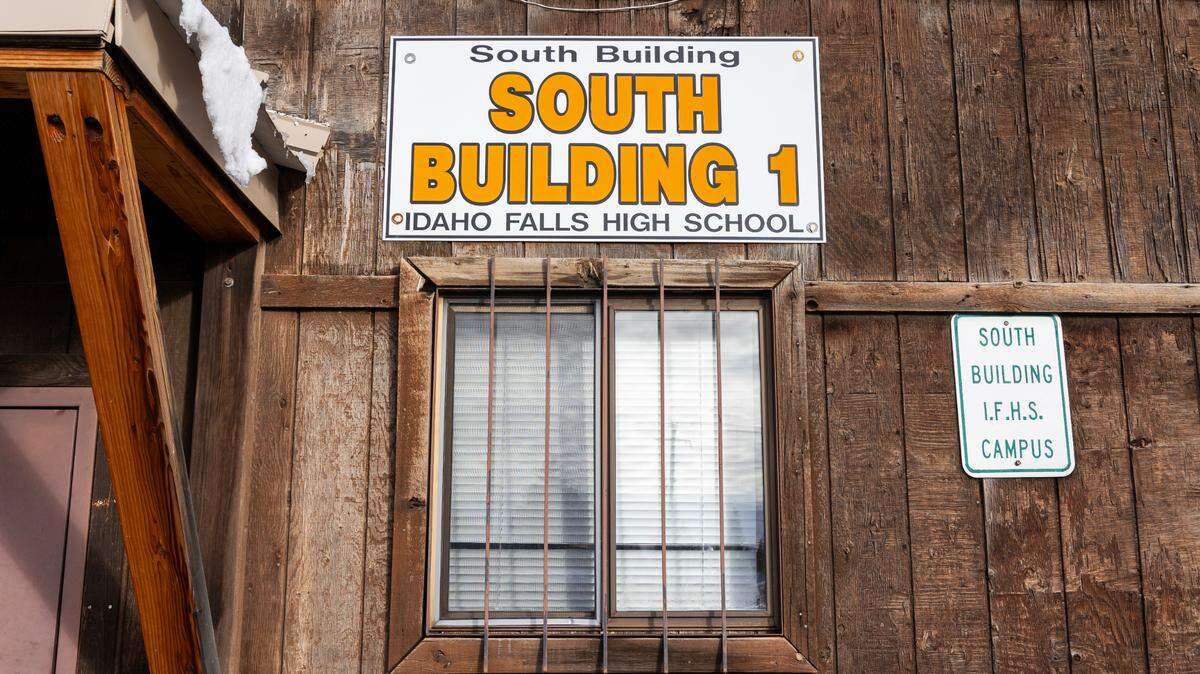
In partnership with ProPublica, Idaho Statesman reporter Becca Savransky this week detailed the failing state of some Idaho schools, highlighting examples of leaky roofs, deteriorating pipes, broken toilets, flooded classrooms and even collapsing roofs.
Idaho pays for new school buildings and building maintenance on the backs of property taxpayers in each individual school district.
That creates a system of inequity, with students in some districts in brand-new buildings, with updated technology and healthy learning environments, while others are dealing with freezing conditions in winter, sweltering conditions in summer and facilities that are falling apart.
Such disparity violates the Idaho Constitution mandate to “establish and maintain a general, uniform and thorough system of public, free common schools.”
According to the Idaho Statesman/ProPublica story, research has shown that young people who learn in deteriorating or substandard facilities have worse educational outcomes than peers who learn in “newer and functional” buildings.
Further, Idaho is one of just two states in the nation requiring a supermajority to pass a bond, according to Savransky’s reporting.
In Idaho, one “no” vote is the equivalent of two “yes” votes when voting for long-term debt, such as school bonds.
That’s worth repeating: It requires two “yes” votes to equal one “no” vote. In other words, someone voting “no” on a school bond has the same voting power as two people voting “yes.”
The vague argument in favor of this system is that “it should be hard to pass new taxes,” but you have to question the fairness of that system in the context of the principle of “one person, one vote.”
That supermajority requirement means it’s very difficult to pass a bond – even when school building conditions are horrible.
According to Savransky’s reporting, Idaho school districts have asked voters 217 times since 2006 to approve a bond. Only 44% passed. Had Idaho required only a simple majority of voters to support the measures — the threshold in most states — 83% of them would have passed.
Voters in the Salmon School District have shot down a bond nearly a dozen times since 2006 to build a new school. The district’s elementary school is around 70 years old.
In the Kuna School District in March, 58.5% voted in favor of a $111.4 million bond for a new elementary school; a classroom wing and athletic facilities at Swan Falls High School; and renovations and additions at Fremont and Kuna middle schools.
But that wasn’t enough to overcome the “no” votes from the minority.
So much for majority rules.
In Idaho, minority rules when it comes to school bonds.
A valid argument can be made that simply lowering the threshold is not the best solution, as rural districts and lower-income districts would still be at a disadvantage, because they are less able to pay for school bonds once they are approved. The wealthier districts are better able to afford new buildings.
Idaho courts have even weighed in on the issue, ruling that this system of relying on loans and property taxes is inadequate and violates the Idaho Constitution.
The Idaho Supreme Court in 2005 placed the blame squarely on Idaho legislators for not fulfilling their constitutional mandate.
But legislators have done scant little to solve the problem.
What have they done instead?
The Republican supermajority voted to take away one of the dates for school bond elections. Worse, they took away the election date in March, historically the most successful date for school elections and the most vital for school districts as they are planning their budgets for the upcoming fiscal year.
Once again, Idaho legislators are looking at the wrong problem and coming up with the wrong solution.
It’s odd, too, when so many legislators come from rural areas that appear to be hit the hardest by this particular problem.
Legislators this session approved a package of property tax relief bills that set up a state fund for school districts to tap into to pay off school bonds and pay for maintenance. But the bill earmarks just $100 million, a drop in the bucket, considering that a recent Office of Performance Evaluations report identified $850 million in needed funding for school projects statewide.
Meanwhile, legislators have passed “back-to-back-to-back” tax cuts and rebates, totaling $2.7 billion in the last three years, as Idaho Gov. Brad Little likes to brag.
Some of that $2.7 billion would have gone a long way toward fixing the problem of crumbling school buildings.
Even though Little wants to be known as the “education governor,” neglecting the very buildings where children go to school every day in favor of tax cuts shows that he’s really not that serious about leaving that legacy.
And Republican legislators are not serious about tackling a real problem that’s happening in their home districts.
By failing to address the problem, Idaho is vulnerable to another lawsuit for not fulfilling its constitutional mandate.
Maybe that’s what it will take.
Statesman editorials are the unsigned opinion of the Idaho Statesman’s editorial board. Board members are opinion editor Scott McIntosh, opinion writer Bryan Clark, editor Chadd Cripe and newsroom editors Dana Oland and Jim Keyser.
This story was originally published April 13, 2023 at 4:00 AM.
BEHIND THE STORY
MOREWhat is an editorial?
Statesman editorials are the consensus opinion of the Idaho Statesman’s editorial board. The editorial board is composed of journalists from the Idaho Statesman and community members. Members of the editorial board are Statesman editor Chadd Cripe, opinion editor Scott McIntosh, opinion writer Bryan Clark, assistant editor Jim Keyser and community members John Hess, Debbie McCormick and Julie Yamamoto.
How does the editorial board operate?
The editorial board meets weekly and sometimes invites subjects to board meetings to interview them personally to gain a better understanding of the topic. Board members also communicate throughout the week via email to discuss issues and provide input on editorials on topics as they are happening in real time. Editorials are intended to be part of an ongoing civil discussion with the ultimate goal of providing solutions to community problems.
Why are editorials unsigned?
Editorials reflect the collective views of the Statesman’s editorial board — not just the opinion of one writer. An editorial is a collective opinion based on a group discussion among board members. While the editorial is written by one person, typically the opinion editor, it represents the opinions and viewpoints expressed by members of the editorial board after discussion and research on the topic.
Want your say?
Readers are encouraged to express their thoughts by submitting a letter to the editor. Click on “Submit a letter or opinion” at idahostatesman.com/opinion.
Want more opinions each week?
Subscribe to The Idaho Way weekly email newsletter, a collection of editorials, columns, guest opinions and letters to the editor from the Opinion section of the Idaho Statesman each week. You can sign up for The Idaho Way here.