
Idaho is not for sale: Amend the Constitution so money isn’t the bottom line
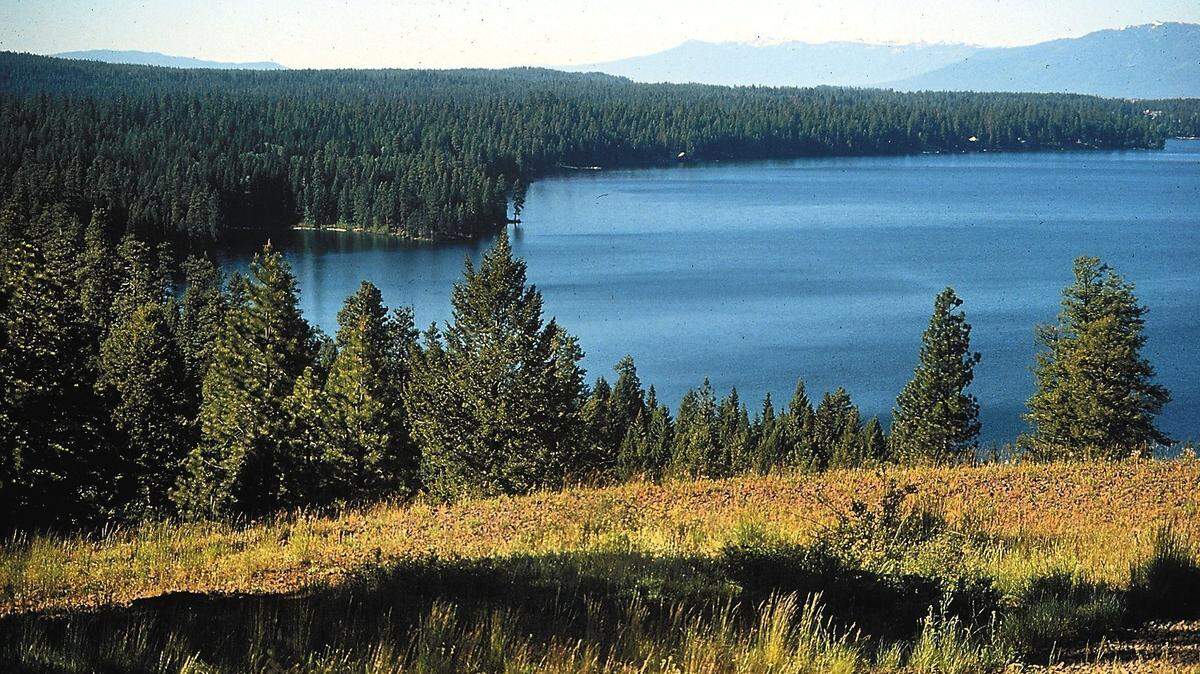
If there is one thing that is essential to Idaho — that makes Idaho the place that it is — it is its public lands.
Our buildings aren’t so tall. Our weather can be a little tricky. But here there are mountains and lakes, deserts and vast forests where you can disappear and find the solitude lacking in so much of the rest of the world.
So the Idaho land board’s vote this week to auction off Cougar Island on Payette Lake diminishes who and what we are. This is just the latest step in a long process that’s been ongoing since statehood. Idaho started with about 3.7 million acres of endowment land. Today it’s down to about 2.5 million.
But that isn’t the board’s fault. The board — made up of the governor, secretary of state, attorney general, superintendent of public instruction and state controller — carried out the charge the Idaho Constitution has given it. The fault is in the Constitution.
The board is legally constrained by the Idaho Constitution. Article IX, Section 8 reads, in part: “It shall be the duty of the state board of land commissioners to provide for the location, protection, sale or rental of all the lands heretofore … in such manner as will secure the maximum long term financial return … .” This language allows the board to consider nothing but money — how much money could the state get now by selling it, and how does that compare to leasing it now and possibly selling it in the future? It cannot ask: Is the general welfare of the state harmed by the sale of this land?
And so, this time and many others, Idaho has been harmed by its land board carrying out a narrow, poorly tailored legal mandate. This is most obvious to the people who live near the land being sold.
Valley County Commissioner Sherry Maupin told the land board that access to the island and other important endowment lands is vital for the tourism industry which is the county’s economic backbone. She said locals had interest in pursuing options for acquiring the land for the public, though it would take time to raise grant funding.
But, Department of Lands staff testified, the market for high-end real estate is hot now and may cool off in the near future. The state indeed can probably get the best financial return by auctioning it immediately. And if that’s true — and there’s no reason to think it isn’t — then the land board really doesn’t have any choice.
That’s why Idaho’s future would be best served by amending the Idaho Constitution.
The Constitution should be amended to mandate that the land board consider not only the financial returns from endowment lands, but also their recreational, historic, ecological and conservation value. Colorado adopted a similar amendment in 1996, and since then it’s protected about 10% of its endowment lands as stewardship lands.
If the land board had such a mandate, we suspect they would conclude that the people of Idaho won’t best be served by turning Cougar Island into a private retreat for a wealthy buyer.
As Department of Lands staff testified during the hearing, the primary value for such wealthy buyers is precisely the ability to exclude everyone else. Cougar Island isn’t as valuable broken up into different lots with different owners. What brings the big bucks is the ability to kick everyone else out.
This would still allow the vast majority of Idaho endowment lands — many of which are not scenic, historically significant or important to conserve — to be sold. Some land of no particular importance in an area surrounded by existing development — sure, it might make sense to sell that to raise a little money for schools. But an island on one of Idaho’s most beautiful lakes? That would be better utilized as a place for the public.
Every time a special piece of endowment land is sold into private hands, something is irretrievably lost. Cougar Island will be our next loss, and compared with the few million it will raise — an undetectable drop in a single year’s over-$3 billion public schools bucket — the permanent loss to future generations is immeasurable.
An amendment would allow the land board to act as a better caretaker for the people’s trust. It would allow them to make the determination that some things just should not be sold.
BEHIND THE STORY
MOREWhat is an editorial?
Statesman editorials are the consensus opinion of the Idaho Statesman’s editorial board. The editorial board is composed of journalists from the Idaho Statesman and community members. Members of the editorial board are Statesman editor Chadd Cripe, opinion editor Scott McIntosh, opinion writer Bryan Clark, assistant editor Jim Keyser and community members John Hess, Debbie McCormick and Julie Yamamoto.
How does the editorial board operate?
The editorial board meets weekly and sometimes invites subjects to board meetings to interview them personally to gain a better understanding of the topic. Board members also communicate throughout the week via email to discuss issues and provide input on editorials on topics as they are happening in real time. Editorials are intended to be part of an ongoing civil discussion with the ultimate goal of providing solutions to community problems.
Why are editorials unsigned?
Editorials reflect the collective views of the Statesman’s editorial board — not just the opinion of one writer. An editorial is a collective opinion based on a group discussion among board members. While the editorial is written by one person, typically the opinion editor, it represents the opinions and viewpoints expressed by members of the editorial board after discussion and research on the topic.
Want your say?
Readers are encouraged to express their thoughts by submitting a letter to the editor. Click on “Submit a letter or opinion” at idahostatesman.com/opinion.
Want more opinions each week?
Subscribe to The Idaho Way weekly email newsletter, a collection of editorials, columns, guest opinions and letters to the editor from the Opinion section of the Idaho Statesman each week. You can sign up for The Idaho Way here.