
With Fed rate hike, recession could be headed for Idaho. Now is the time to prepare
Idaho has been in a lucky position for the last several years, with a booming economy, remarkably low unemployment and tax revenue that seemed to grow every year. Lawmakers have used those revenue booms to finance tax cuts, infrastructure spending and education funding improvements — though the latter two always seemed to be lower priorities than the first.
But there is reason to believe that the job of lawmakers, county commissioners and city councils is about to get a bit harder, and they should be prepared for it.
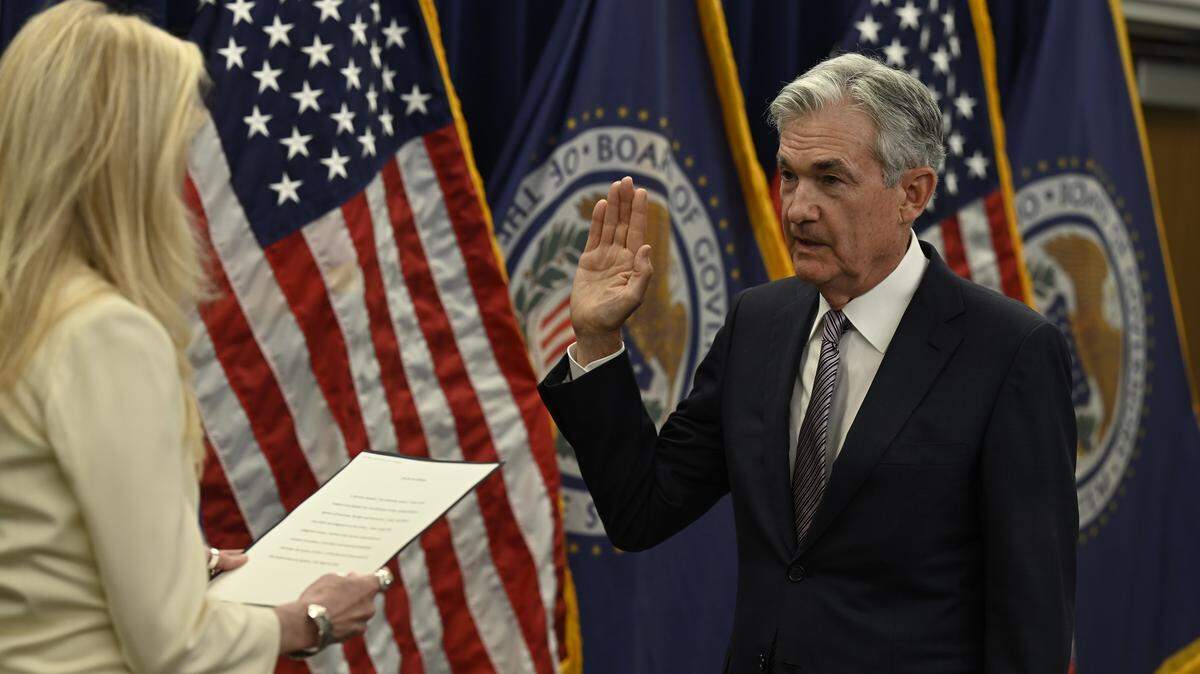
The Federal Reserve on Wednesday decided to raise interest rates by 0.75%. That’s the biggest increase since 1994, the New York Times reported.
It’s a good time for an aggressive rate increase like this, given the high and persistent rate of inflation. Interest rates remain lower than before the arrival of COVID-19, when the Fed swiftly lowered rates to stave off recession, but the sharp increase is likely to throw some water on an overheated economy.
And there are consequences to the rate hike. The biggest of these is that the risk of recession just rose sharply.
Higher interest rates make borrowing more expensive. Mortgages get more expensive, so offers to purchase homes decline. It’s harder for businesses to borrow to buy new equipment, so businesses forestall investment. Consumer credit gets more expensive, so shoppers delay purchases.
These are all ways that rate increases slow down the economy to fight inflation. But there’s always the risk of pumping the brakes too hard — and it’s difficult to know exactly how hard to push the pedal. So the risk of recession is higher than it’s been since the days of lockdown.
That’s not reason for panic.
The recession that looms largest in our memories, the 2008 Great Recession, was a once-in-a-lifetime event, the worst economic downturn in almost a century. Most recessions are not like that. Nor are most recessions like the more recent pandemic recession: very brief but with a staggeringly big shock to economic activity and unemployment.
The state government is well-positioned to weather a normal recession without major cuts, so long as it is prepared to utilize its overflowing rainy day funds. The function of a rainy day fund isn’t to show off how fiscally conservative you are. It is to ensure that services don’t have to be cut when revenue drops due to recession. Lawmakers should stand ready to use these funds as they were intended.
As budget season approaches, local governments should be careful about adding new positions at a time with this level of uncertainty. There is a cost to leaving a department slightly understaffed for a year. But it’s much better than laying off workers suddenly due to a recession.
And both state and local governments should prepare for a possible recession in another way.
Those who suffer most in a recession tend to be those who are most vulnerable. The lowest-paid workers are the most likely to be laid off. Unemployment among Black and Latino workers tends to rise much faster than unemployment among white workers.
So both state and local officials should anticipate that there’s a strong chance that demand for services for the unemployed will rise in the near future as well. They should target funding and staffing toward these programs so that Idahoans can weather a bout of unemployment without serious, long-term consequences.
BEHIND THE STORY
MOREWhat is an editorial?
Statesman editorials are the consensus opinion of the Idaho Statesman’s editorial board. The editorial board is composed of journalists from the Idaho Statesman and community members. Members of the editorial board are Statesman editor Chadd Cripe, opinion editor Scott McIntosh, opinion writer Bryan Clark, assistant editor Jim Keyser and community members John Hess, Debbie McCormick and Julie Yamamoto.
How does the editorial board operate?
The editorial board meets weekly and sometimes invites subjects to board meetings to interview them personally to gain a better understanding of the topic. Board members also communicate throughout the week via email to discuss issues and provide input on editorials on topics as they are happening in real time. Editorials are intended to be part of an ongoing civil discussion with the ultimate goal of providing solutions to community problems.
Why are editorials unsigned?
Editorials reflect the collective views of the Statesman’s editorial board — not just the opinion of one writer. An editorial is a collective opinion based on a group discussion among board members. While the editorial is written by one person, typically the opinion editor, it represents the opinions and viewpoints expressed by members of the editorial board after discussion and research on the topic.
Want your say?
Readers are encouraged to express their thoughts by submitting a letter to the editor. Click on “Submit a letter or opinion” at idahostatesman.com/opinion.
Want more opinions each week?
Subscribe to The Idaho Way weekly email newsletter, a collection of editorials, columns, guest opinions and letters to the editor from the Opinion section of the Idaho Statesman each week. You can sign up for The Idaho Way here.