Inversion, ‘stagnation’ and other bad Boise weather words. Experts explain phenomenon
Boise’s location in a valley often causes it to experience inversions, but the current one has been unusually long.
The inversion even caused Treasure Valley residents to miss out on the beauty of Monday night’s northern lights. The National Weather Service said it was visible to those standing above 6,500 feet, such as up on Bogus Basin, but not to those below.
On Tuesday morning, people in Ada County woke up to a very low-lying fog nestled across cities, and the tops of Boise buildings seemed as if they were touching the sky.
Waiting for this fog to clear might require patience. The Idaho Statesman spoke to weather and air experts to answer inversion questions, including whether residents should be concerned about health risks from increased pollution, as well as when the yucky air might clear.
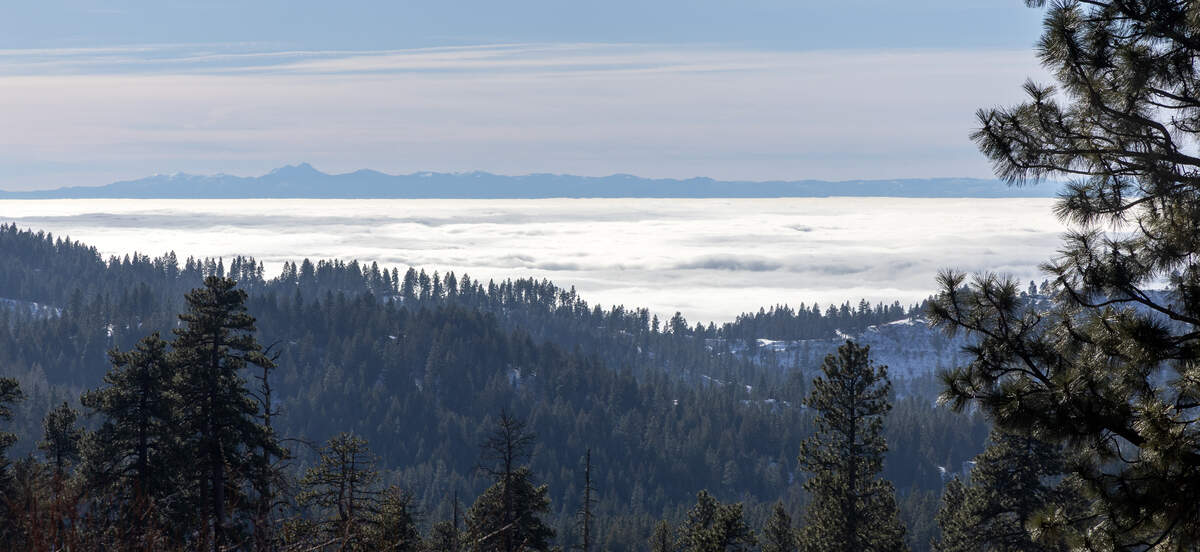
Exactly what is an inversion?
The long nights and low sun angles often cause air to chill in January. An inversion occurs when cold air is stuck beneath a stagnant layer of warm air. So when warm air swept over the region, the cold air already permeating the area drained into part of the Treasure Valley and became trapped.
If you travel from downtown Boise to the top of Bogus Basin Road, you will see the temperature rise rather than fall during an inversion, the reverse of what is typically seen, the Idaho Statesman has previously reported.
That flip in the temperature progression, from colder at the bottom to warmer higher up, is called inversion.
You also will find the sunshine above the inversion, as the cool, moist air below keeps low clouds and fog near the surface. High temperatures in Boise have not been hitting 30, although it could get up to freezing on Wednesday.
Conditions have been just right for inversions lately, causing other areas of Idaho — such as the Magic Valley, home to Twin Falls — and adjacent states to experience gray fogginess.
How long will it last?
Stephanie Henry, National Weather Service meteorologist in Boise, told the Statesman that this inversion is not going anywhere until at least Thursday morning. Winds from a Canadian weather system could move in that day and break up the stagnant air.
“We’re hoping that we may get enough wind to allow for some mixing,” Henry told the Statesman by phone.
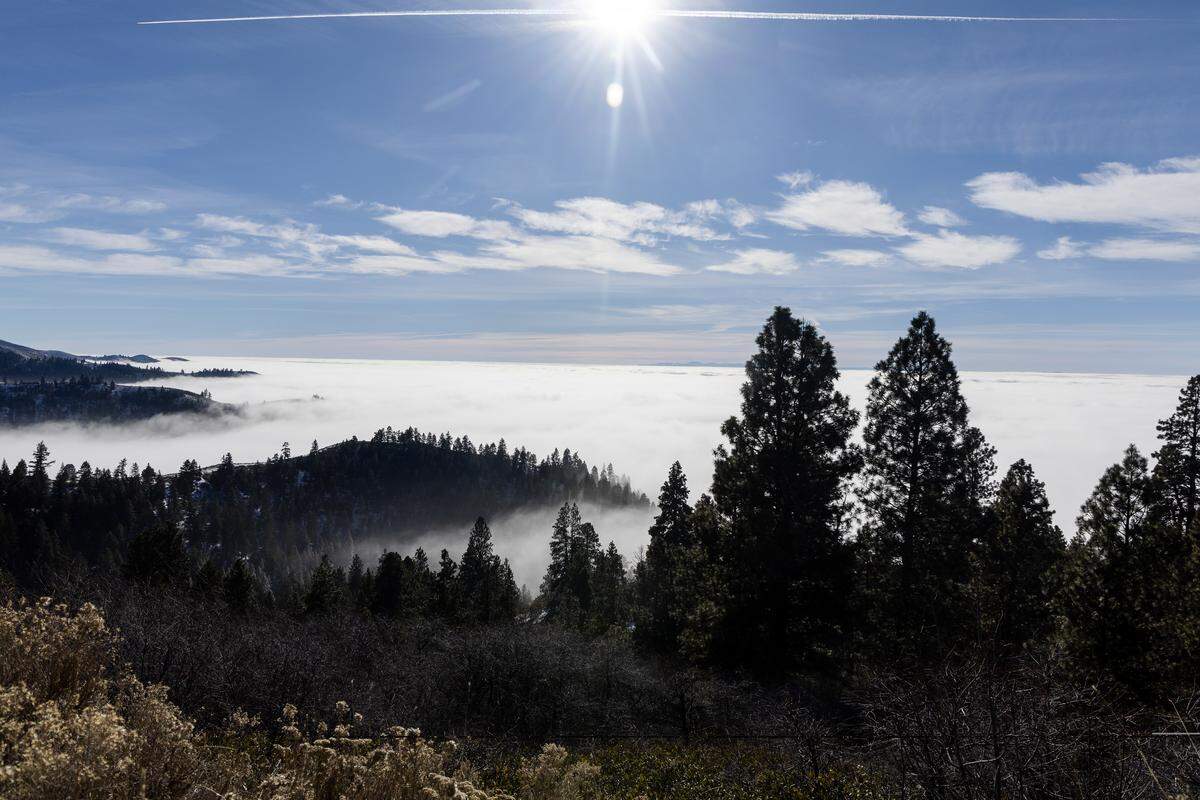
Has this inversion broken any records?
The National Weather Service is working to determine whether this inversion, which officially began on Jan. 10, could break a record as Boise’s longest-lasting. Weather experts are still working to pull data on past inversions, but other lengthy ones include 239.4 hours of inversion in January 2014 and 240 hours in January 1962.
The current inversion has been around for about 10 days already. If you don’t want to do the math, 10 days would be 240 hours.
However, some brief sunshine that broke through last week might rule it out from being considered a continuous inversion. Southeast and east winds just above the surface followed the Foothills’ slopes into the valley on Friday, temporarily stirring up the air and allowing some sun. The clouds and fog returned by Friday night, according to Henry.
As a result, the agency has not yet determined whether this inversion can be considered continuous.
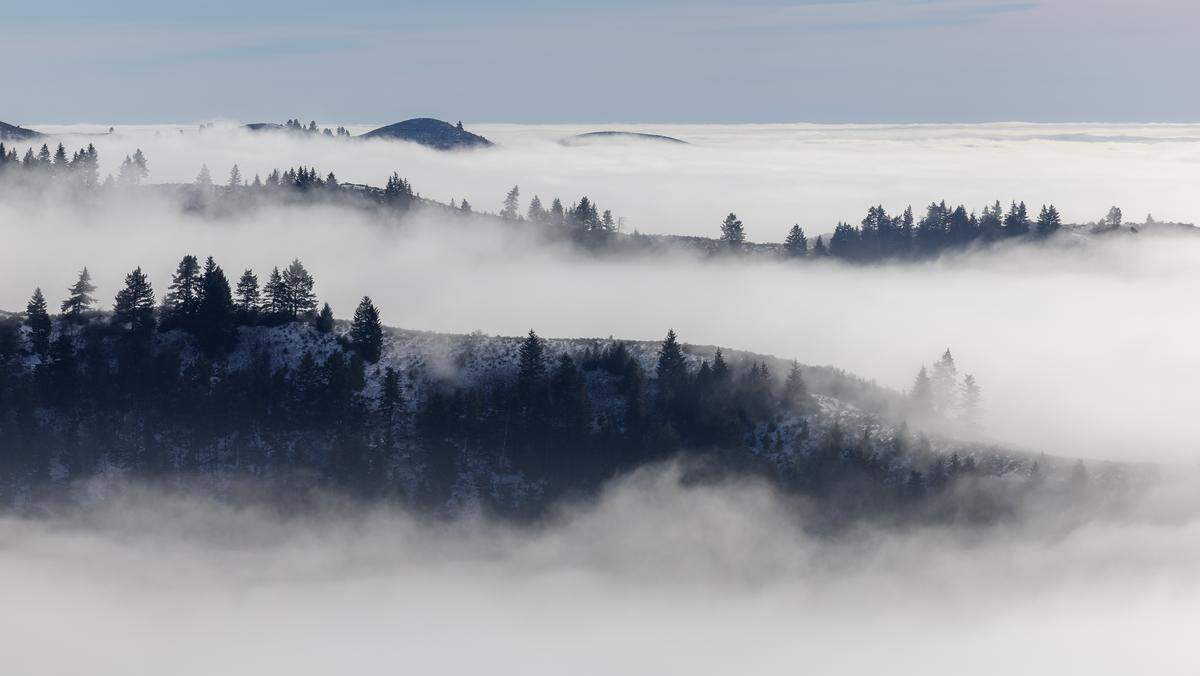
How has the inversion affected air quality?
Cold air isn’t the only thing that gets trapped below the inversion’s cloud layer. Pretty much every nasty thing you can think of — smoke, vehicle exhaust, other pollution, aerosols, dust — is trapped as well, according to Michael Toole, Idaho Department of Environmental Quality regional airshed coordinator.
“On a normal day, you get the solar heating during the day,” Toole told the Statesman in a phone interview. “Any pollution you have at ground level will rise with the heat as the air rises. And if you have a wind, it’ll help blow that out. During the inversions, we just don’t have that mechanic working because of the stagnation.”
Toole said the DEQ saw air quality begin to degrade on Jan. 11. It has stayed in the moderate, or yellow, zone since, meaning the air quality is acceptable for most people, but there may be a risk for those “who are unusually sensitive to air pollution,” according to AirNow, the government’s air quality tracking website.
Things like last Friday’s wind, as well as weather phenomena such as fog and hoarfrost, which bind some pollutants and remove them from the air, can cause the air quality to fluctuate.
The worst day of the inversion was one week ago, on Jan. 14, with a 24-hour average air quality index of 84. By Tuesday, it had improved and was just 57.
Should Treasure Valley residents be concerned about their health?
Toole said it’s difficult to say how concerned residents should be about the air quality. The National Weather Service has issued an air stagnation advisory, but the inversion hasn’t caused the air to reach levels that most people need worry about, according to Toole.
He did say that those with health issues and in the sensitive category, including children, seniors and those with pre-existing conditions, can be affected by the degraded air quality Boise has seen.
“We always recommend that if anybody has any concerns or physical symptoms to contact their health care provider,” Toole said.
This story was originally published January 21, 2026 at 4:00 AM.