
Idaho could see more northern lights due to ‘severe’ geomagnetic storm. Here’s when
Want to see the northern lights? You might want to keep your eyes on the sky.
The colorful natural phenomenon also known as aurora borealis might be visible from Idaho and several other states on Wednesday, Nov. 12, and Thursday, Nov. 13, according to National Oceanic and Atmospheric Administration’s Space Weather Prediction Center.
The northern lights could be seen above the Boise area on Tuesday, Nov. 11.
The center issued a series of geomagnetic storm watches in response to coronal mass ejections “that have erupted from the sun over the past several days,” it said Tuesday.
The eruptions “of solar material and magnetic fields” can set off geomagnetic storms when they arrive earthside, the center said, noting that the storm level on Wednesday could be “severe.”
Geomagnetic storms can sometimes impact infrastructure and technology, including navigation systems, the center said, but they also “create beautiful aurora.”
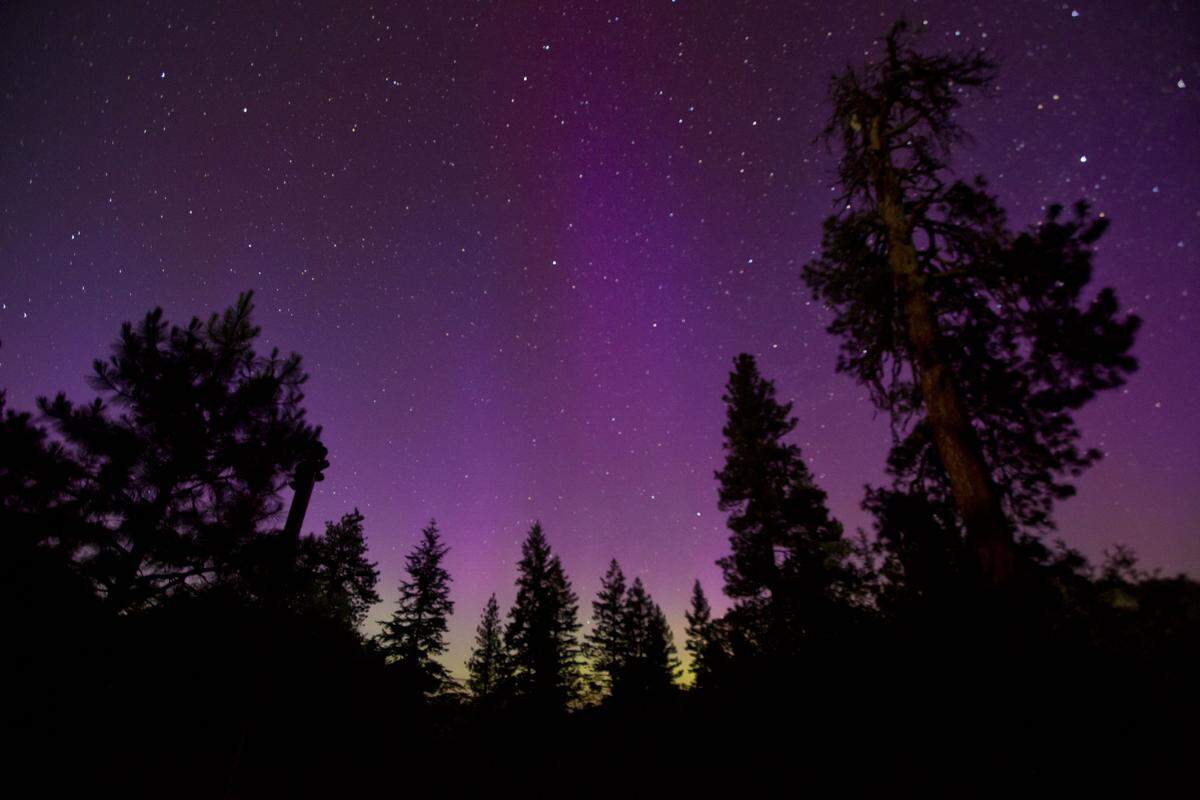
What are the northern lights?
“Auroras are colorful, dynamic, and often visually delicate displays of an intricate dance of particles and magnetism between the Sun and Earth called space weather,” NASA said on its website.
They’re caused by “electrons colliding with the upper reaches of Earth’s atmosphere,” according to the National Oceanic and Atmospheric Association.
The sun’s particles collide with oxygen and nitrogen atoms, resulting in a spectacular light show that’s known as aurora borealis in the Northern Hemisphere.
“The colors of an aurora come from atoms and molecules being energized by colliding with energetic particles in the upper atmosphere,” NASA said.
Green is the most common aurora color, according to the space agency, but the northern lights can also appear blue, purple, pink, red or white.
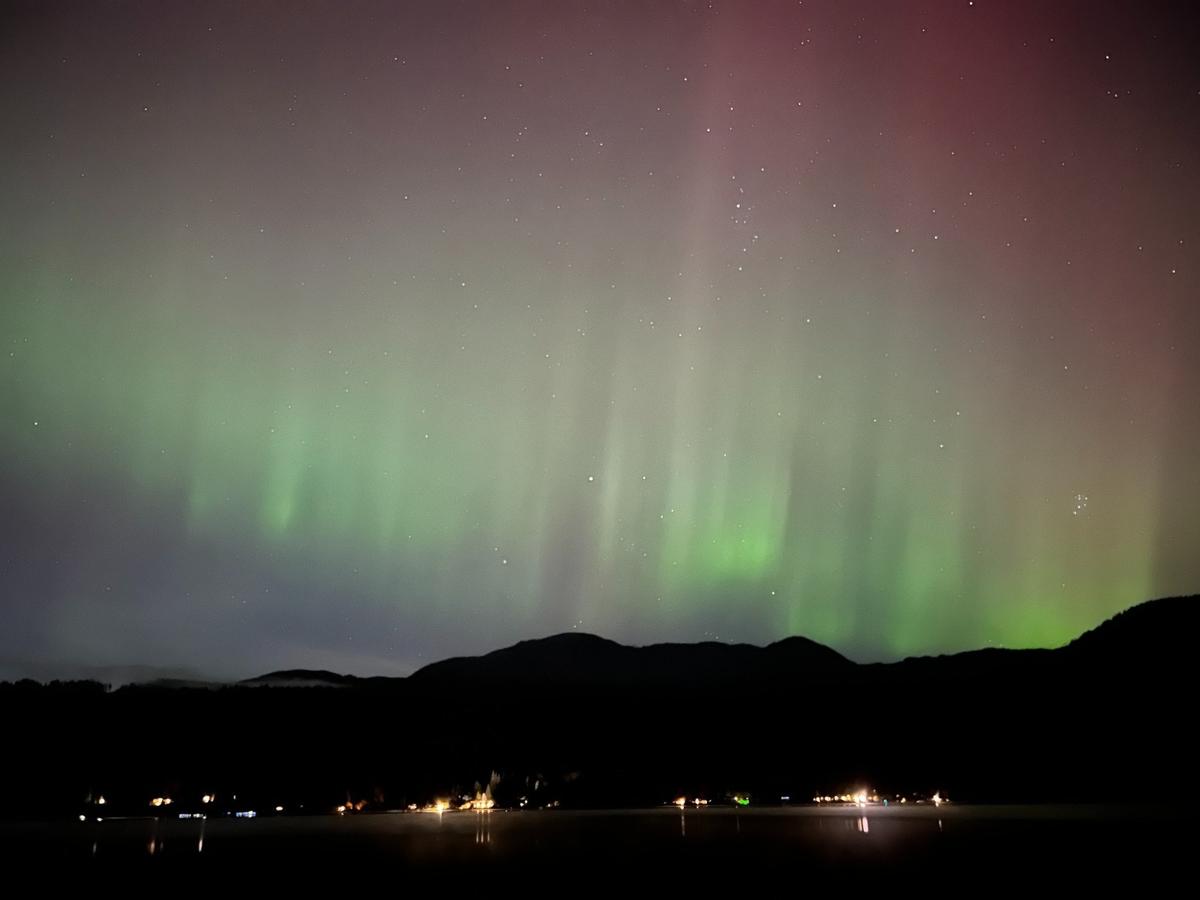
Who could see aurora borealis in Idaho?
The Space Weather Prediction Center’s aurora forecast indicates that the upper half of Idaho is within the possible aurora viewline on Wednesday night.
People in the northernmost part of the Gem State have a slightly better chance of viewing the northern lights, according to the forecast.
On Thursday night, the northern tip of the state is within the aurora viewline.
What’s the best way to watch auroras?
While getting a glimpse of the northern lights is possible, it isn’t guaranteed.
The Space Weather Prediction Center recommends finding a view to the north and venturing out after dark.
“Go out at night. Get away from city lights,” the center said, noting that “the full moon will also diminish the apparent brightness of the aurora” but not its actual brightness.
The best timing to view an aurora “is usually within an hour or two of midnight, the center said, between 10 p.m. and 2 a.m. local time.
This story was originally published November 12, 2025 at 5:00 AM.
.JPG)