
House kills rat control bill. What’s next for the Treasure Valley pest problem?
AI-generated summary reviewed by our newsroom.
- House voted down SB 1271a 38-32 amid state role concerns.
- Supporters sought Ag Dept data, coordination and public education.
- Opponents said Treasure Valley should use local tax dollars, not state funds.
Debate over a bill that aimed to monitor the Treasure Valley’s burgeoning rat problem became a regional dispute on Tuesday as the House voted down a measure that would have enlisted the Idaho State Department of Agriculture to collect data on the invasive pests.
Senate Bill 1271a, already a defanged version of an earlier rat-control proposal, died in a divided House after a 38-32 vote driven by concerns over deploying state tools — and, potentially, state funds — to address what critics called a local problem isolated to urban areas around Boise.
The bipartisan bill, which Rep. Steve Berch, D-Boise, brought to the House floor, previously breezed through the Senate earlier this month with near-unanimous support. As written, it would have been the “first step” in creating an abatement plan, Berch said, instructing the Department of Agriculture to collect data, coordinate with private-sector pest control companies and educate the public on Idaho’s invasive rats. Lately, the rodents have gained footing in southern Idaho in step with the region’s rampant population growth.
That’s far narrower than the original idea, sponsored by Berch and Sen. Tammy Nichols, R-Middleton.
Earlier in the session, the pair championed an emergency measure that would declare two common rat species a “public health and safety nuisance,” as well as invasive species, agricultural pests and a “vermin and public health and welfare pest.” The kitchen-sink approach would have empowered a range of local and state authorities to take on the problem under the general oversight of the Department of Agriculture. That version explicitly allowed county commissioners, pest control and abatement districts and public health districts to take action on rats of their own accord. Any state agency as well as “any other public or private entity” would have had standing to “summarily abate” rats if the director of the Department of Agriculture deemed it necessary.
The bill would have required Ag Director Chanel Tewalt draft and implement a “coordinated plan of action” by Nov. 1. And, importantly, it would have empowered the department to spend money on rat abatement — something it currently lacks legal grounds to do.
Lawmakers pared back the idea through the amendment process in February, citing concerns that the original language would swell state spending, box out private pest control companies and create an unfunded mandate to counties, which historically handle pests that threaten farms and infrastructure.
Berch hoped that the new, milder language would assuage those issues.
“This bill does not impact the general fund,” he told the House this week. “It is not an unfunded mandate. It does not require counties to spend money, and it does not compete with the private sector.”
Rat control or ‘expansion of government’?
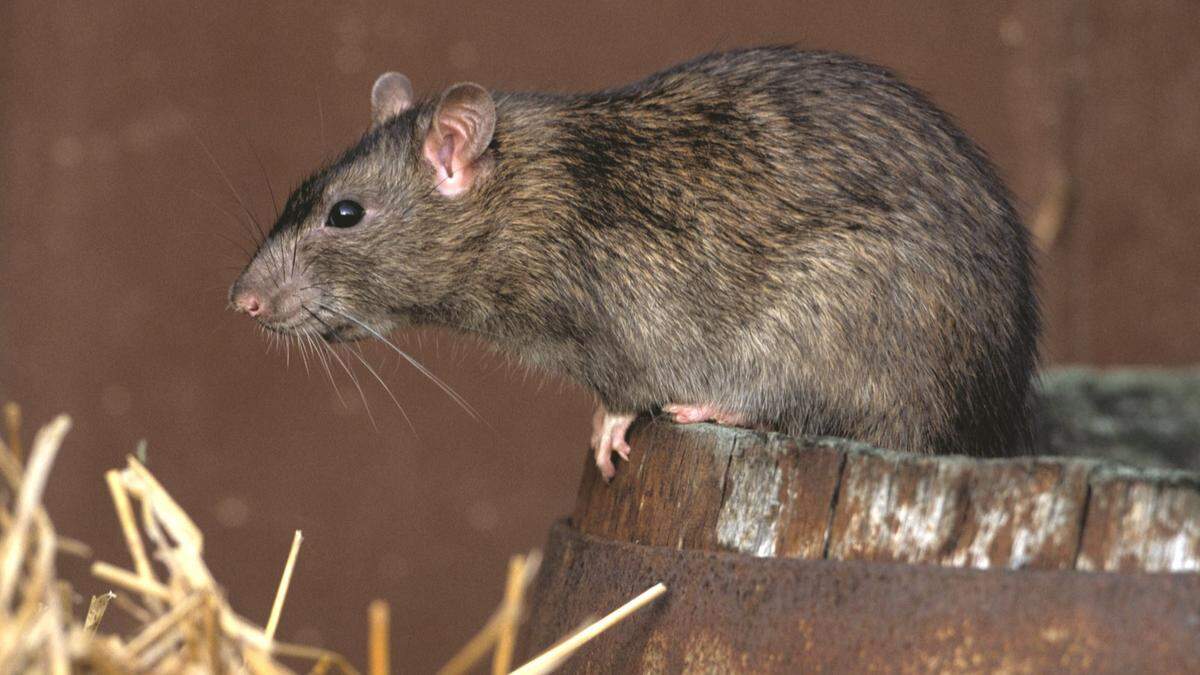
Opponents didn’t buy it. To them, rats are a Treasure Valley issue. They need a Treasure Valley solution, using Treasure Valley tax dollars.
Growing up, Rep. Faye Thompson, R-McCall, dealt with rats herself. “We used to shoot ‘em in the woods,” she said. Now, like many Idahoans, she lives at elevation, where Norway rats and roof rats — the most common pests — aren’t likely to go.
“I don’t think it’s fair for the whole state to fund something that’s only in the Treasure Valley, for the most part,” Thompson said.
Other lawmakers pushed further.
“I don’t think the rats are an issue,” Rep. David Leavitt, R-Twin Falls, told the House. “I think the real problem is that every issue becomes an expansion of government.”
Leavitt was among a handful the representatives that didn’t believe Berch’s analysis of the bill’s fiscal impact.
“The second you bring a state agency into anything, they’re going to be asking for money — whether it’s this year, next year, or in the future,” said Rep. Kyle Harris, R-Lewiston.
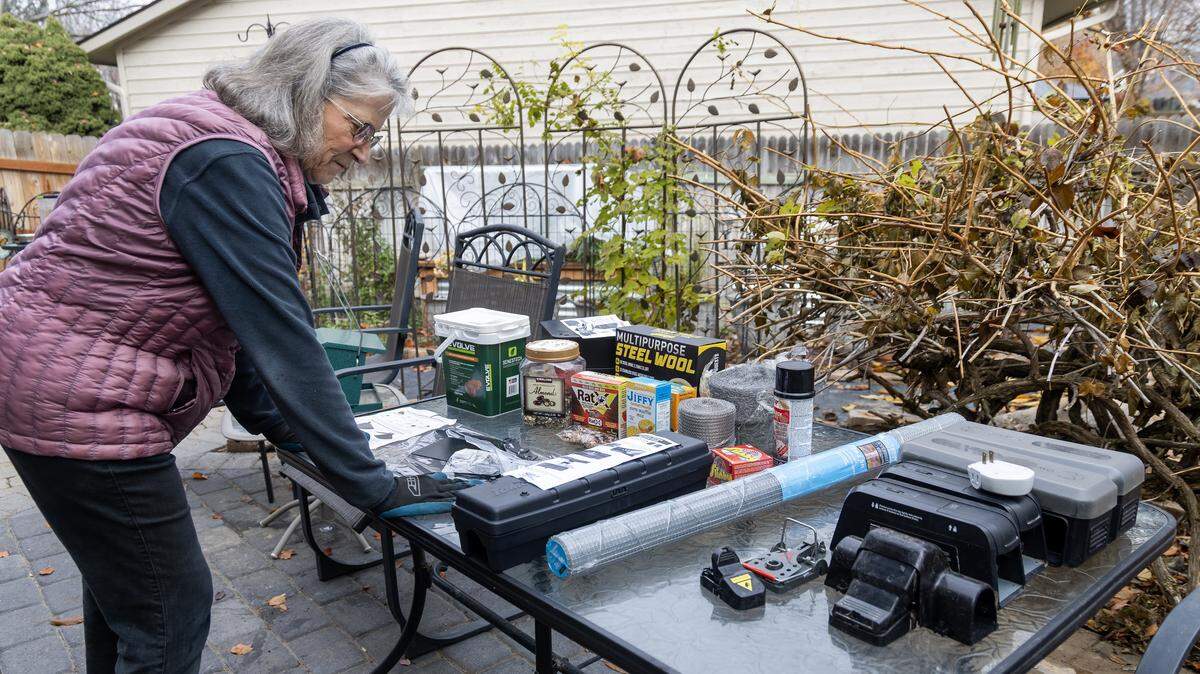
Assistant Majority Leader Doug Pickett, a Republican from agricultural Oakley, agreed that the infestation wasn’t widespread enough to warrant a public solution.
“You don’t need to eat a rat to get over your fear of rats, as someone once said,” he told the House. The pests, he thought, are a “local issue that could be handled by drawing a line around the problem.”
For Berch, though, the exact problem is that you can’t. Rats don’t respect jurisdictional lines — something he’s seen in Ada and Canyon counties.
“You’re already talking about something that’s affecting two counties, and maybe the counties around them,” he said. “If one city takes action, and another one doesn’t, than that other city becomes a sanctuary city for rats.”
Idaho rats slip between cracks in code
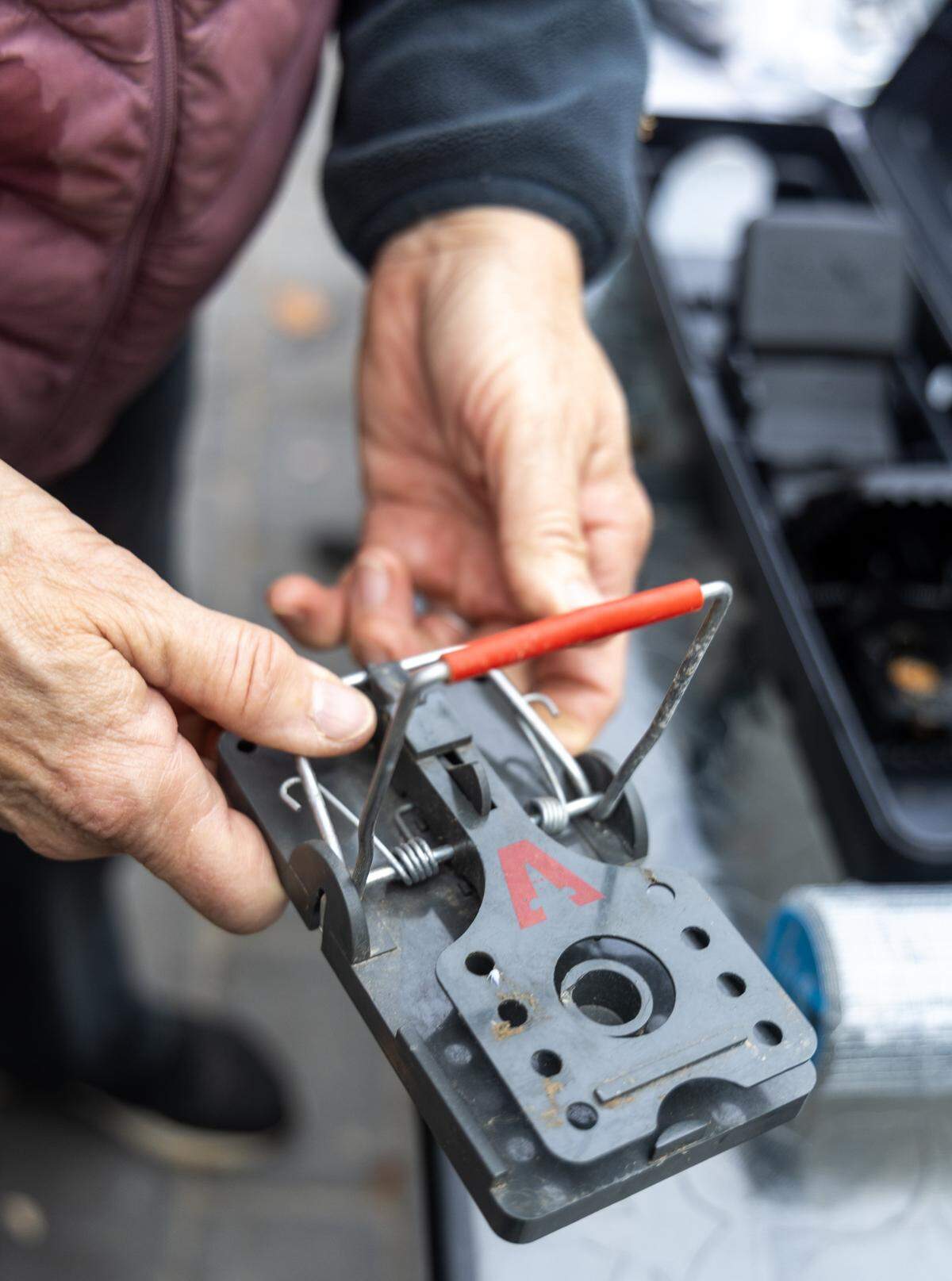
Supporters Tuesday thought it was worth enlisting the Department of Agriculture to ensure rats don’t spread further east across the Snake River Plain. Rep. Britt Raybould, R-Rexburg, noted that the river basin that bands southern Idaho is the state’s most productive farm and ranchland region. Rats could become an agricultural pest as well as an urban one, she said, making their arrival “an economic issue.”
“This is a situation where an ounce of prevention is worth a pound of cure,” she said.
The session’s debate represented new territory for rats in Idaho. The rodents have existed outside state code for the simple reason that they weren’t known to be in the state. Idaho’s pest management programs traditionally deal with agrarian problems, like noxious weeds, or agricultural raiders like pocket gophers, marmots or voracious insects. As it stands, rats are not considered wildlife (the purview of Idaho Fish and Game), classified as an invasive species (managed by the state Department of Agriculture) or defined in statute as a “control species” threatening farms or infrastructure (typically handled by county programs).
Berch’s proposal saw the Legislature legally acknowledge rats similarly to the way it did quagga mussels, which the state has aggressively controlled under the auspices of the Department of Agriculture, according to Rep. Lori McCann, R-Lewiston.
“These dirty, filthy little rats need to be eradicated,” she said. “I understand we’re overstepping. But how many times this session have we said, ‘We’re going to overstep local control?’ ”
With the bill returned to the Senate and the session wrapping its 65th legislative day, it was unclear Tuesday afternoon whether rat mitigation could find a way forward this year. To Berch, though, the situation remained urgent.
“If nothing happens, and we continue to see the rate of spread,” he said, “it’s more than pest control companies whose phones will be ringing off the hook.”