Why ‘bold’ rats thrive in the Treasure Valley — and how you can keep them in check
AI-generated summary reviewed by our newsroom.
- Treasure Valley reports sharp rise in rat calls; pros see widespread presence.
- Rats exploit urban change, warmer winters and ‘human subsidies’ for survival.
- Experts say control is more likely than eradication; seal gaps, remove food, fix moisture.
Logan Kimball loves rats. He grew up with four as pets — Norway browns, like the pests, though altogether different in temperament than wild rats. As a kid, he found himself amazed by their ingenuity. These days, his familiarity with rats is coming in handy: As owner of Boise Pest Pros, a growing part of his job is to kill them around Ada County.
“We’re easily getting 10 times more calls than we had even a few years ago,” he said. “We deal with rats all the time.”
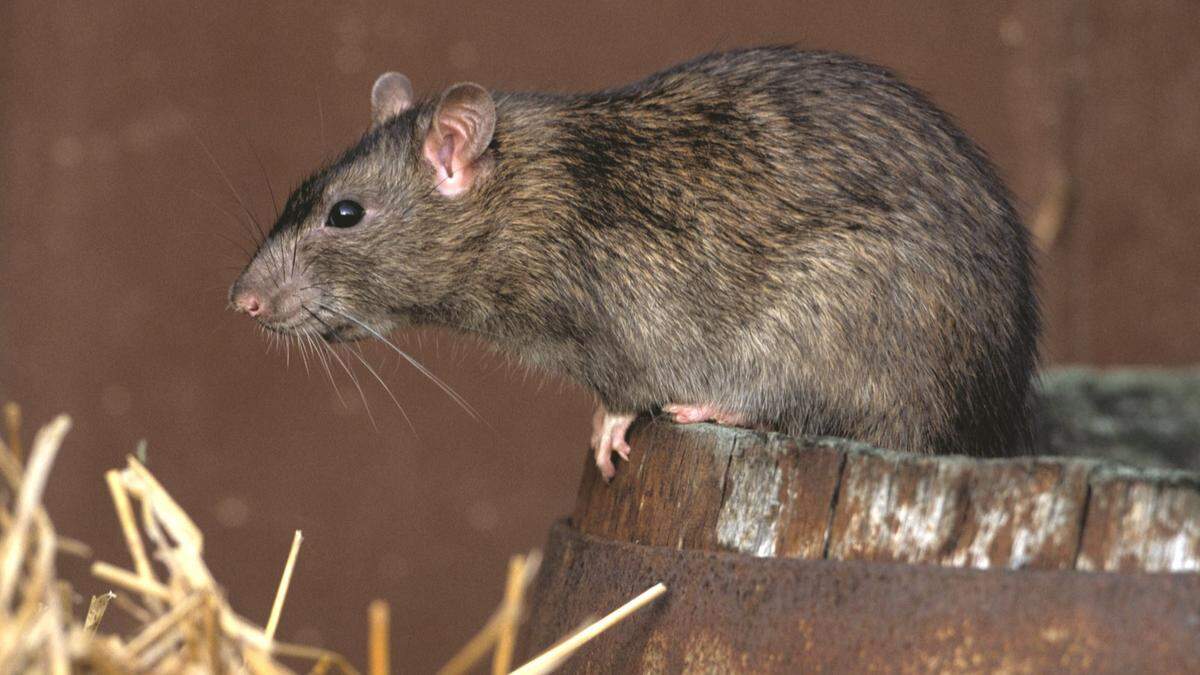
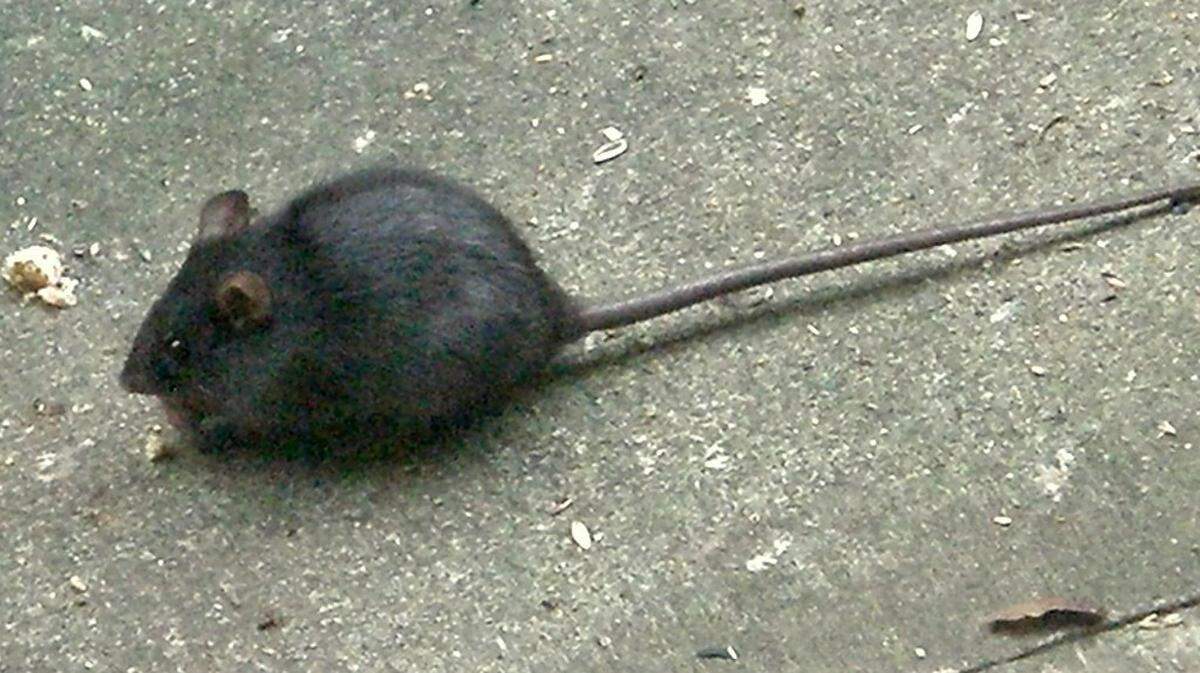
From what he’s seen on the job, rats are here to stay across the Treasure Valley. He’s seen them from Northwest Eagle to Southwest Boise. Locals have spotted both Norway rats — the classic brown subway rat — and roof rats, a smaller, agile species that prefers high perches.
Kimball attributes their rise to a number of factors, including urban expansion, warming winters, easy meals and “ideal habitat” along waterways and in homes rarely designed with rats in mind.
To clients, Kimball emphasizes the “control” part of pest control. You’re unlikely to eradicate rats — they’re too resilient and too cunning, he said. Once they’re around, they’re hard to keep out.
“I tell everybody: No home is rodent proof,” he said. “It’s like a forest fire” — some pests come with the territory, but “when it gets out of control, we have to step in.”

‘Bold’ rats thrive in changing landscape
Most rats are “generalists,” said Jennifer Sorenson Forbey, a professor in the biology department at Boise State University.
“Any time they find a habitat that’s disturbed, or changing — where native species are getting kicked out — they’re going to do great,” she said.
That doesn’t just apply to rats; animals that can make do with flexible food sources and novel habitats tend to do better around people than specialists that evolved to live in a single set of circumstances. Rats, Forbey says, are “bold” animals with “big, creative brains.” They’re social among themselves and exploratory, meaning they can test survival strategies quickly and share what works. There’s a reason why scientists experiment with lab rats: They’re naturally inclined to solve puzzles, Forbey said, and extremely “robust” — that is, hard to kill.
Forbey studied bushy-tailed wood rats — commonly called pack rats — by researching their rare ability to survive in Idaho by foraging on plants toxic to other animals. She hasn’t studied the invasive species in the Treasure Valley, though she suspects there are several local factors in rats’ favor. Climate, she says, likely plays a role, with warmer winters improving survival odds.
But much of the rats’ success comes down to their nature and ours. Forbey talks about “human subsidies” — things we do without meaning to make a rat’s life easier. A bird feeder can be a human subsidy. So can a crawl space. When a Norway rat sees a construction site, it sees a home. When it finds an open compost bin, it finds a buffet. A pika — even a native pack rat — doesn’t read the world the same way.
“Any animal is fascinating,” Forbey said. “People shouldn’t necessarily be afraid of them. We should learn from them. If you see one, watch it. It may help us learn how to control them. We might as well learn to appreciate them, because we may be living with them for a long time.”
‘Community education’ key to check spread of rats
Kimball recommends homeowners take steps to forestall a full-blown rat invasion. That means making a home less appealing to rats by:
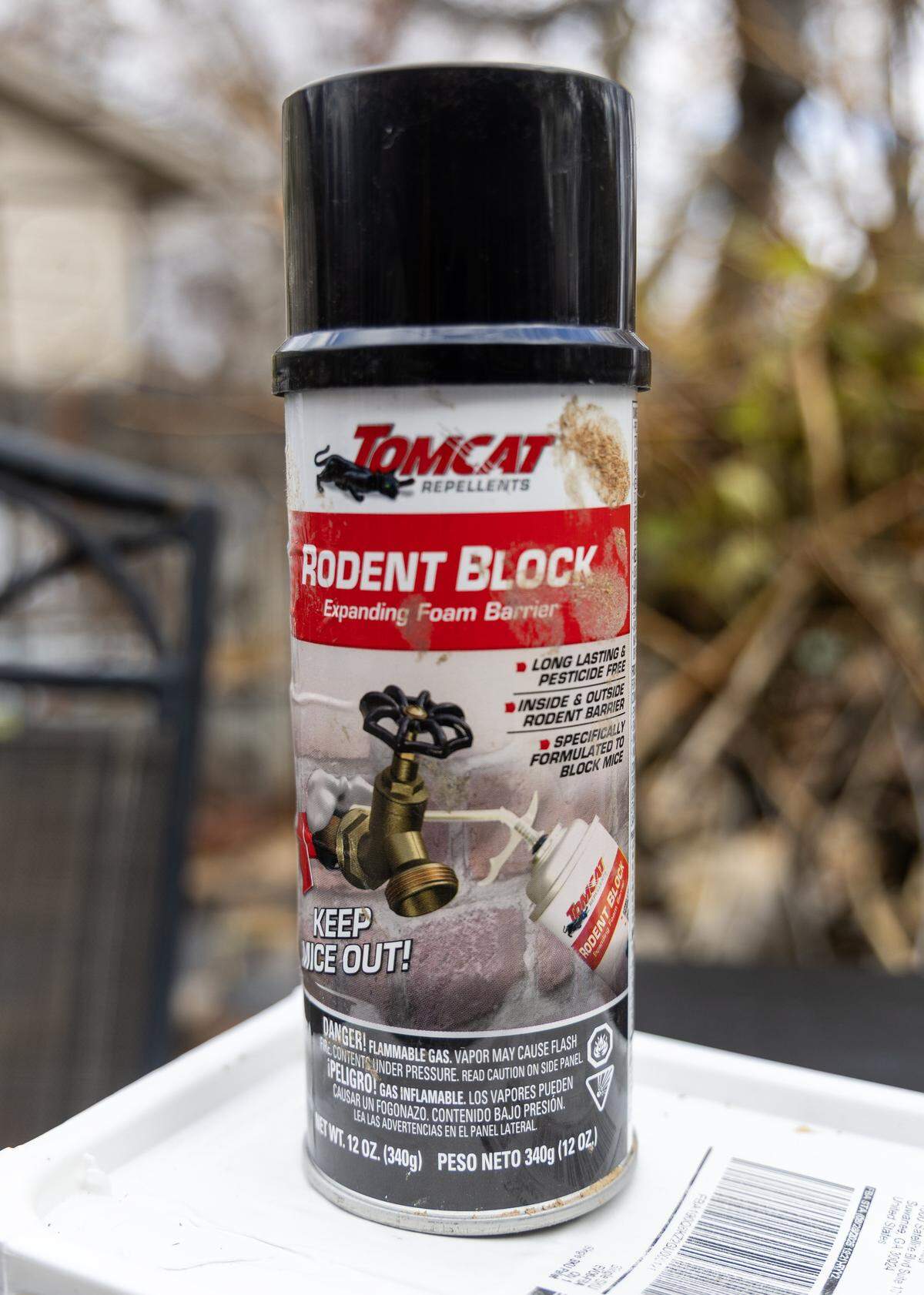
- Sealing all cracks or holes in your house larger than a quarter inch with something a rat can’t chew through, like steel wool or metal flashing.
- Removing food sources, like pet food, unsecured garbage and birdseed. Use rat-resistant compost bins and seal livestock feed.
- Cleaning up landscaping and vegetation. Rats love ground-level woodpiles and debris under decks, Kimball said.
- Fixing irrigation leaks and addressing moisture around your foundation to cut off water supply.
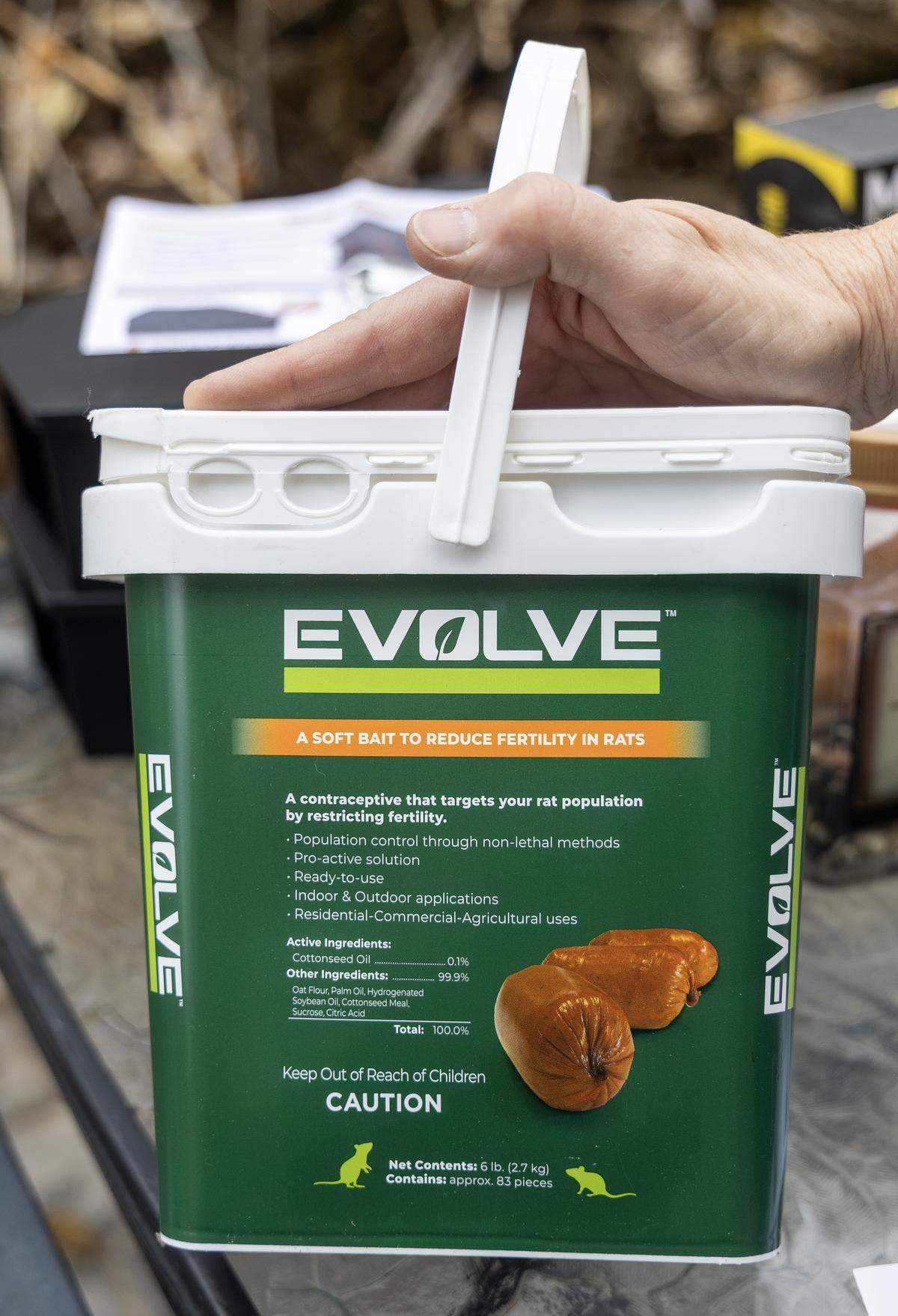
- Snap traps, which “look like a mousetrap on steroids,” can help address “light activity,” Kimball said. (He is leery of using rodenticides — rat poisons — which can harm native wildlife, pets and children. He’ll use toxic baits, but only in situations where he’s certain they’ll catch only rats.)
- Remember, rats can carry bacteria, viruses and parasites. They’re known vectors of, among other things, leptospirosis, salmonellosis, hantavirus, plague, and worms associated with meningitis. Protect yourself with a mask and gloves if you’re working in an area that shows signs of rat activity.
If you start to see multiple rats at once, daytime activity, active burrows or signs of gnawing in your home, it may be worth calling in a professional, Kimball said.
“We’re at a place where we can manage (the rat problem),” Kimball said. “A lot of it is going to come down to community education.”
Recently, that kind of outreach around rats has gained steam.
On Nov. 14, Boise Mayor Lauren McLean acknowledged the city’s new pest in a Facebook post. The following Monday, the city published a page dedicated to rodent prevention on its website, citing “a noticeable increase in rat activity over the past few years.”
The city’s recommendations largely mirror Kimball’s. “Boiseans are encouraged to take simple, proactive steps around their homes,” the city states. “A few small changes can make a big difference.”