
These tax limits ‘hamstrung’ small towns. Now, their author hopes to fix the law
AI-generated summary reviewed by our newsroom.
- Moyle proposes raising annual budget increase limit to 15% for cities under 30,000 people.
- Bill would wind down banking of foregone tax revenue, limiting rollovers.
- Proposal lets voters approve ballot measures to reset a jurisdiction's budget lower.
In 2021, Idaho was growing fast — and so were property taxes.
So Rep. Mike Moyle, R-Star, championed a law that sought to stem climbing property taxes, in part by limiting how much a city or county could increase its budget. Now, the speaker of the House thinks that bill went too far.
On Friday, Moyle introduced a bill to loosen the yoke of the 2021 law on small, fast-growing cities like his, which he said were “hamstrung” by the provision capping annual budget increases at 8% year over year.
The new proposal would nearly double that ceiling, setting a new cap at 15% for cities under 30,000 people. House Bill 842, which the House Revenue and Taxation Committee unanimously agreed to print, extends to fire and ambulance districts that serve those cities, too.
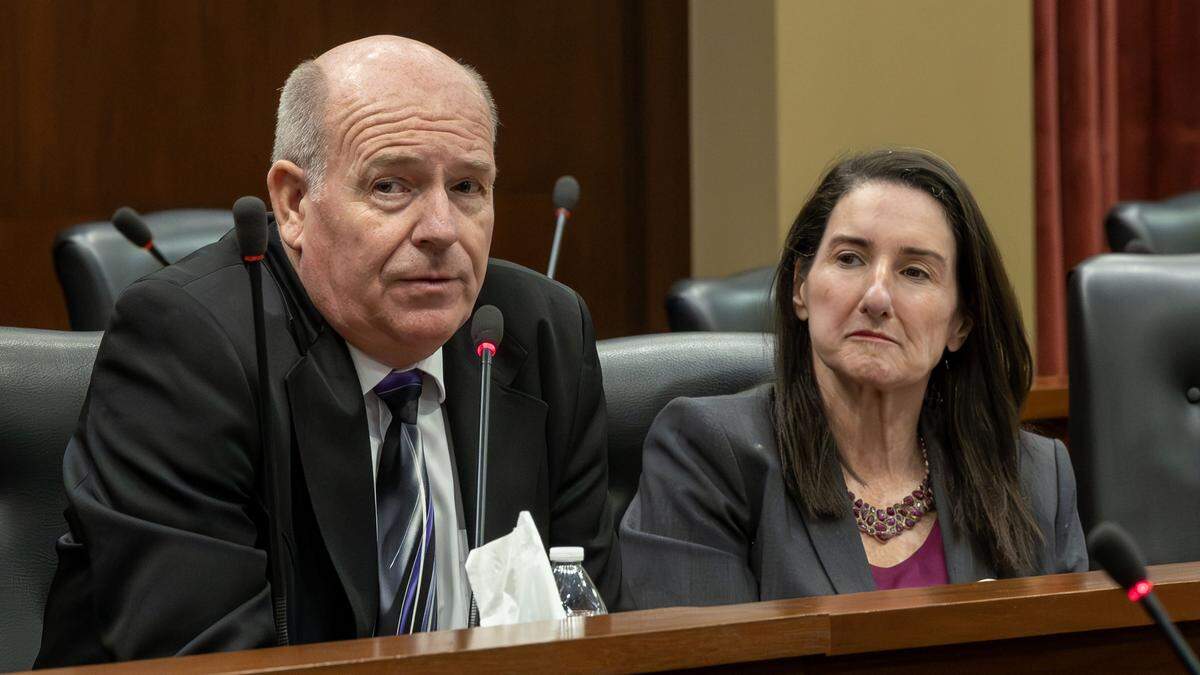
That’s good news for small towns, where the 2021 check on taxes turned into a de facto moratorium on growth. Unable to raise budgets as fast as populations, some cities slowed or stalled new development, rather than depress services to existing taxpayers. Moyle hopes this new bill will allow city services to scale up along with population, to a point.
But there’s a catch. The proposal would wind down the practice of banking “foregone” tax revenue — that is, choosing not to take the maximum increase in tax revenue one year to roll it over onto another budget cycle.
And, it would allow voters to roll back a jurisdiction’s budget the same way they can permanently raise it: at the ballot box. Moyle’s proposal includes a sort of anti-levy provision; just as voters can now pass a levy to increase taxes, they could approve ballot language to “reset” a budget to a lower level, Moyle said.
The Association of Idaho Cities did not immediately return a call for comment.
“There’s something in it for everyone to hate,” he told the committee on Friday. “There’s something in it for everyone to love.”
Revisiting a hasty property tax reform
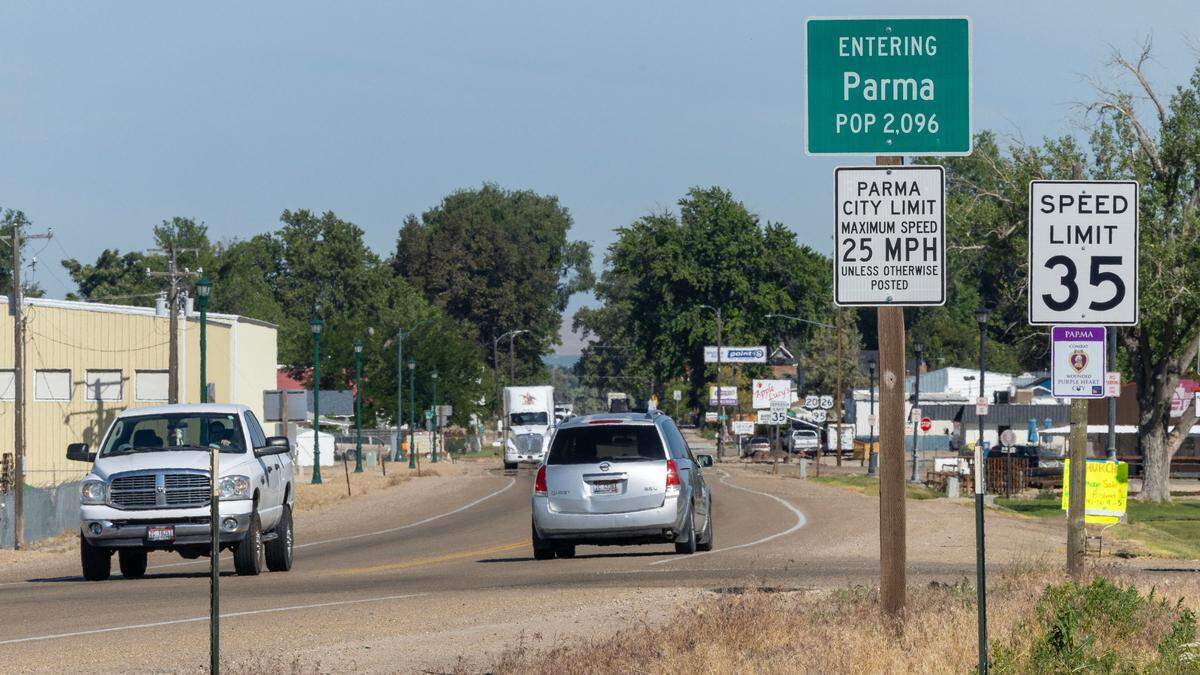
House Bill 389 emerged in the waning days of the 2021 legislative session, already the longest in Idaho history. It was a sweeping tax package, expanding the homeowner’s exemption, strengthening the state’s property tax “circuit breaker” for low-income residents, and curtailing the ways local governments could tax their residents. The law passed quickly, if cautiously.
Gov. Brad Little criticized the bill even as he signed it into law. Little emphasized the need to ease property taxes in a letter accompanying his signature but criticized Moyle’s approach as rushed and overly complex.
“I am signing House Bill 389 because it provides some relief to Idaho taxpayers,” he wrote. “However, I fear the long-term consequences may outweigh this temporary reprieve.”
Almost immediately, cities agreed. Citing “imminent peril,” Caldwell implemented a moratorium on new residential development, the Idaho Statesman reported at the time. Boise officials decried a “false narrative,” while Nampa’s then-mayor raised alarm over the bill’s tight constraints. Years later, Meridian Mayor Robert Simison was still urging a full repeal of the bill.
But Moyle’s bill won’t help Caldwell, Nampa or Meridian. They’re too big.
Star Mayor Trevor Chadwick did not immediately respond to a request for comment. With at 21,800 people as of 2025, Star is the only city in Ada County that would benefit from the proposed increase. A handful of smaller cities in Canyon County would qualify as well
Under Idaho law, a taxing district can increase its budget by 3% per year without asking voters for a levy. But there are ways to push that increase higher if needed. Tapping into the bank of “foregone” taxes is one. So is taxing new construction. Development grows the tax base, and taxing newly improved land brings in more money to city coffers. As people come in, the money goes back into neighborhoods as police and firemen, snowplows and road crews — the infrastructure and services residents expect government to provide.
In 2021, though, supporters of Moyle’s bill said existing residents were bearing the brunt of growth-driven costs. The law allowed districts to take only 90% of the potential tax revenue from new construction and 80% from annexation, and it capped the total budget growth at 8%. When removing the 3% annual increase cities and counties were already allowed, the cap amounted to a 5% budget increase from growth. Whether a city doubled in size year over year or grew 5%, the budget increase the next year was set.
The impact was felt all over, but particularly in small towns, where a new subdivision can mean double-digit population growth, Moyle said.
He said the 30,000-person limit in his proposal was “arbitrary” but came out of discussions with cities and fire districts about where the 2021 tax bill had the biggest impact.
“They are the ones growing the fastest,” Moyle said, “and they are the ones hamstrung by the 8% cap.”