Idaho lawmakers said keeping flooded ITD campus saves money. Here’s what the numbers say
When a 2022 flood damaged the Idaho Transportation Department’s campus on State Street in Boise, nobody knew the drama sitting in wait over the future of the buildings.
On a snowy Jan. 2, with temperatures dropping from 25 to 6 degrees, pipes in the main ITD headquarters began to freeze in a penthouse mechanical room. Water poured from the failing pipes, flooding all three floors of the building and exposing materials filled with asbestos, whose tiny crystals can cause health problems and deadly lung cancers.
Faced with an uninhabitable building, the Transportation Department’s board chose to relocate and sell the campus. That decision to sell it to a group of developers sparked fights in the Legislature. The clashes between Republican factions at the Capitol played a role in the downfall of a long-standing politician, and the cancellation of the sale triggered an Idaho Supreme Court lawsuit.
Lawmakers who successfully opposed the sale argued that it would cost taxpayers more than repairing the 44-acre campus. Estimates released publicly Thursday now say otherwise.
The Idaho Transportation Department estimates said the minimum cost to repair the campus is $64 million, higher than the range lawmakers previously received and $59 million more than what it would’ve cost the state to sell it. More repairs than the bare minimum would cost about $69 million.
During this year’s legislative session, the Department of Administration told lawmakers that repairing the headquarters could cost anywhere from $32.5 million to more than $63 million depending on the level of construction desired.
“Legislators were told the estimated cost was developed by the Division of Public Works and represented a preliminary, soft estimate,” Linda Edkins, an office specialist in the Department of Administration, told the Idaho Statesman by email. “This estimate was generated quickly — a rudimentary ‘back of the napkin’ approach — in order to give legislators an initial gauge.”
Edkins said legislators were told the estimates were developed “sight unseen” and didn’t take into account the extent of the flood damage or the heating, ventilation and air conditioning repairs needed. Legislators were told that the estimates were based on typical renovation costs, and that final costs could vary as assessments came through, she said.
The new estimates call for asbestos abatement throughout the building, which was identified previously but “with significant data gaps,” according to the 213-page report. There is no fire sprinkler system in the building, and much of the headquarters would need to be brought into compliance with the Americans with Disabilities Act.
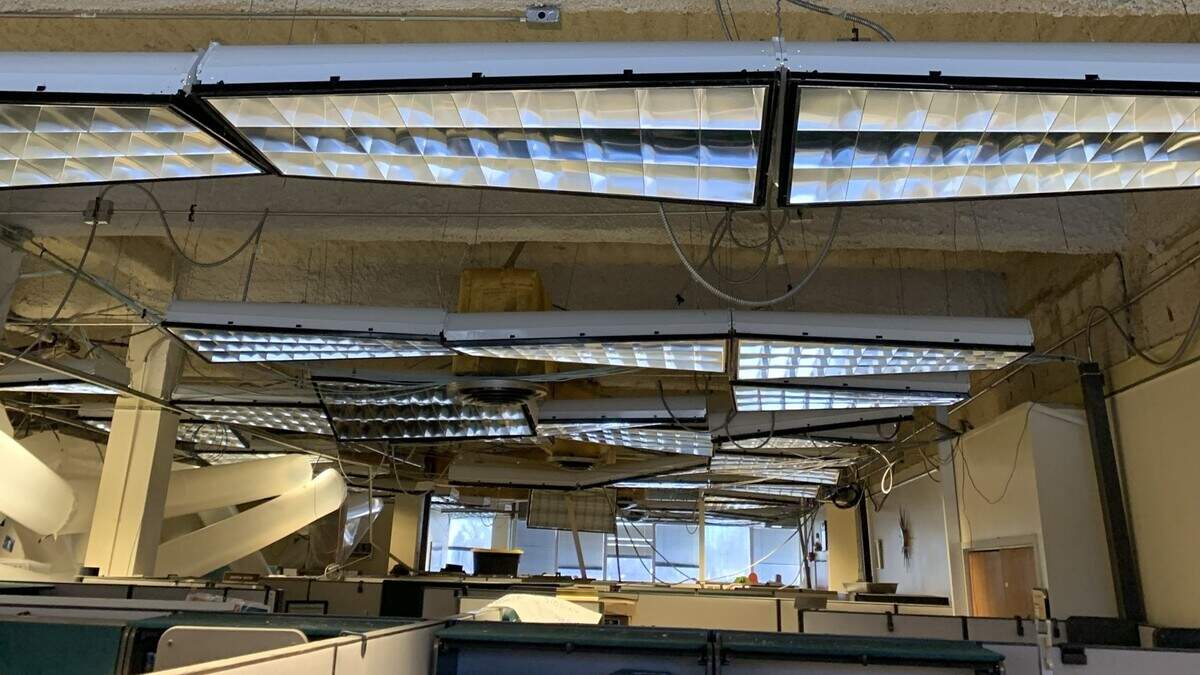
The lack of use since the flooding also led to more damages, including about 13,000 square feet of asphalt that would need to be replaced and a landscape irrigation system that is “in a critical state of disrepair,” according to the report. Mold and mildew spread while the roof leaked, and the mechanical systems have outlived their useful life and are in poor condition. The electrical systems are non-compliant with code.
These new numbers again throw the future of the campus into question.
Lawmakers opposing the sale in public debates cited the low end of the range, $32.5 million, as the estimated cost of renovation and the high end, $63 million, as the cost for rebuilding.
The new estimates are for construction and soft costs only, and don’t include design work or inflation.
Brian Huffaker — the president of Boise’s Hawkins Cos., was one of the developers selected to buy the property before it was revoked — said he wasn’t surprised that the numbers were higher than originally thought, and that it wouldn’t be surprising if the campus went back on the market. It’s unlikely Hawkins would want to come back to the table, he said.
“We certainly lost a lot of confidence in the state,” Huffaker said by phone after the new estimates were released. “How do we trust that process moving forward?”
What Idaho lawmakers told the public, and what they knew
For months, Idaho lawmakers who advocated to keep the ITD campus have known that the costs may be higher than what they publicly stated.
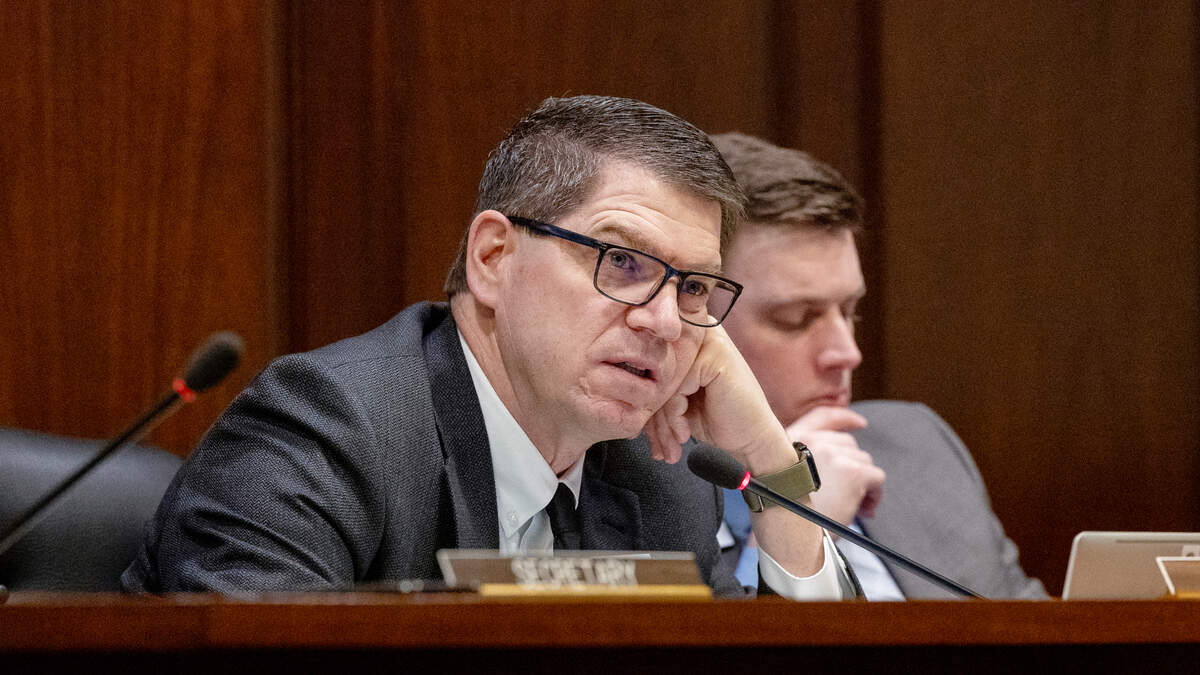
Sen. Kevin Cook, R-Idaho Falls, a key Senate proponent of keeping the campus, distributed a spreadsheet among lawmakers during this year’s legislative session that showed the state would spend about $78 million to renovate the existing building, using the low-end of the rough repair estimates. That compared with $98 million to sell the campus and replace some buildings at another location or $109 million to rebuild a new headquarters altogether. Lawmakers and administrators alike rejected the third option.
According to Cook’s spreadsheet, it would have cost taxpayers about $20 million more to sell the campus than to repair it if the renovation cost $32.5 million.
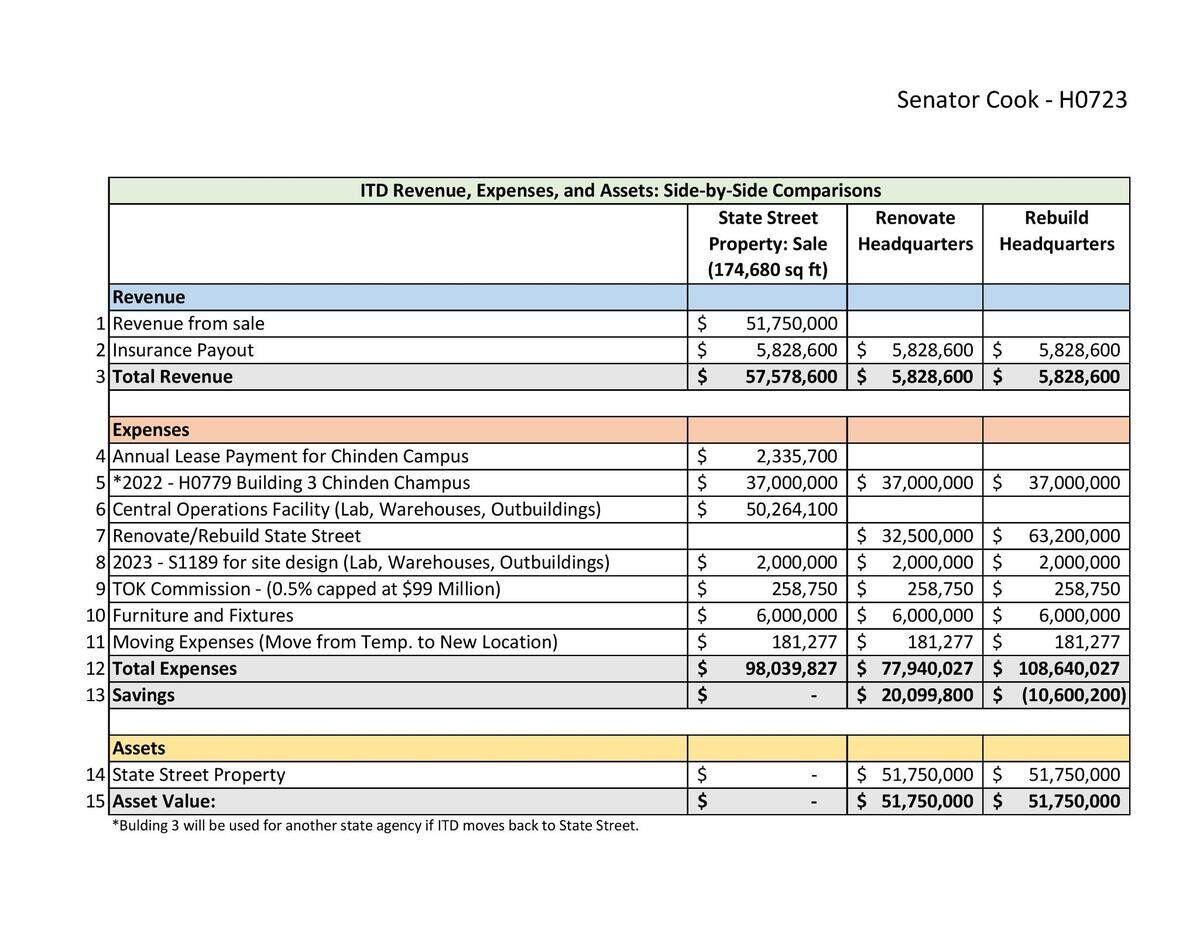
But the savings shown in the cost estimates from Cook excluded an important detail: the nearly $52 million in revenue the state was promised in its deal with developers for the sale of the State Street campus.
With the revenue, and a guaranteed nearly $6 million insurance payout from the flood, the state would have ended up with a net cost of about $40 million if it sold the campus, totaled from the cost of those replacement buildings, new office furniture and other expenses, according to those estimates.
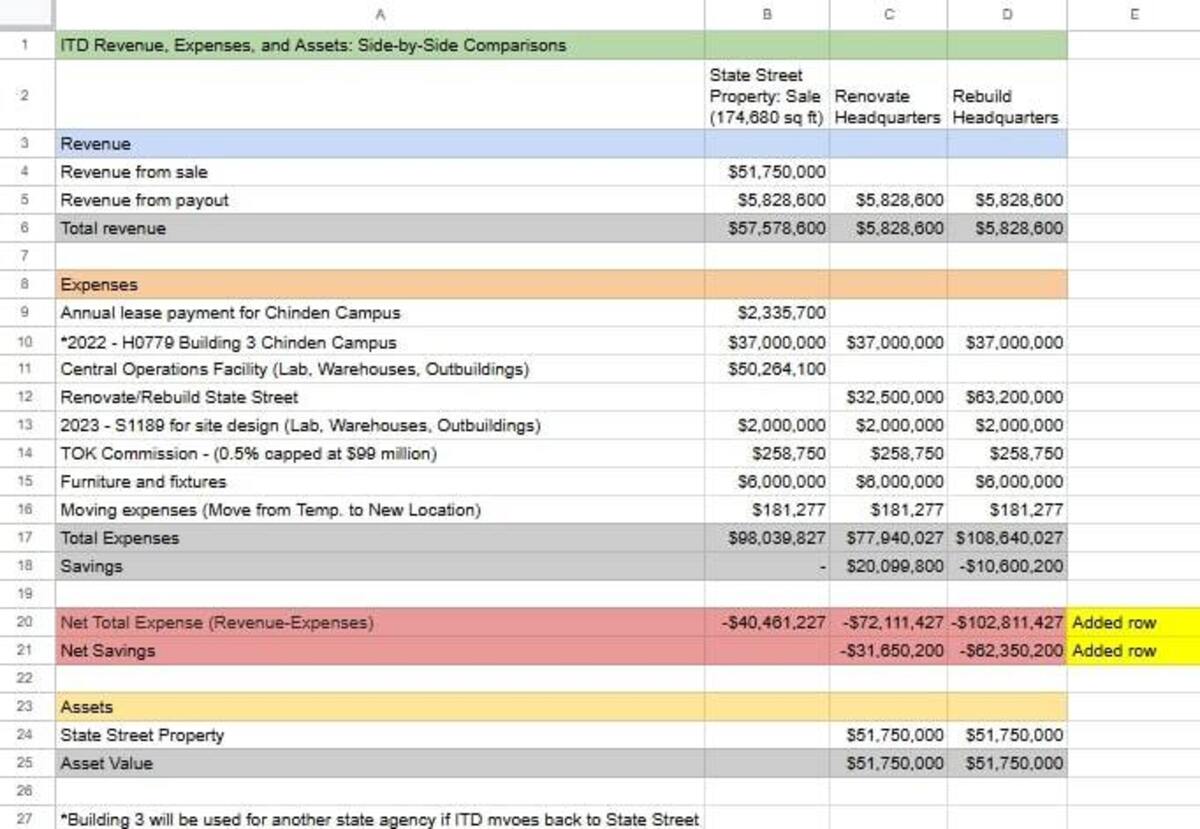
That’s a fraction of the cost of a minimum $72 million to renovate the damaged headquarters had the repairs cost $32.5 million. The new estimates bring that number to about $99 million.
Though the bill Cook originally presented the spreadsheet for eventually failed, the same numbers were used to pass two budget bills that rejected the deal and were passed into law.
None of the key lawmakers who advocated to keep the campus responded to requests for comment from the Idaho Statesman. Many questions remain unanswered, including why the spreadsheet circulated among lawmakers excluded the revenue from the sale.
Aside from Sen. Chris Trakel, R-Caldwell, and a few others, the revenue was mostly missed during debate.
“It’s actually costing the taxpayer more money to renovate the headquarters or rebuild headquarters,” Trakel said. “I think it’s a gross oversight to not add in the sale of the property against the expenses of the property, because that dramatically changes the numbers.”
When Trakel brought up his numbers — in a winding and lengthy rebuttal — they were shrugged off. Sen. Brian Lenney, R-Nampa, asked whether Cook had a rebuttal for Trakel’s “math thing.” Lt. Gov. Scott Bedke, who presides over the Senate floor, shot Lenney’s question down for being out of order.
Then-Senate President Pro Tem Chuck Winder, R-Boise, said several times that $37 million had already been appropriated for the plans, and that it would cost nothing if they continued with the sale.
“We don’t need to spend another dime if we don’t want to,” Winder said during debate.
The biggest expense for the sale was $50.3 million to build a new central operations site for ITD, which composed of a lab, warehouses and outbuildings. That expenditure likely wouldn’t be needed if ITD stayed at the State Street property.
“I promise you, senators, there is nothing sneaky about this. I wouldn’t do that to you,” Cook said during debate. “There is nothing that I’ve tried to hide from you whatsoever.”
Jessica Flynn, CEO of the Red Sky public relations firm that represented the trio of developers who were selected to buy the property, said the redevelopment would have added millions to the local economy.
The construction of the proposed development would have brought nearly $151 million in local wages and salaries and nearly 4,000 jobs, according to Flynn. She told the Statesman it would have brought in $52 million annually and employed over 1,300 people.
Cook did not return several emails or phone calls over multiple months requesting clarification on his numbers, except to say that he would not comment or provide clarification while the lawsuit was ongoing. But he said during debate that the Joint Finance-Appropriations Committee wasn’t looking at how to cut the budget. Instead, they were looking at what was best for the state and for Idaho taxpayers.
Lawmakers opposing the sale said the State Street campus was one of the best pieces of property in Ada County and that it was an invaluable asset for the state.
“If we get rid of a piece of property, it’s gone forever,” said then-Sen. Scott Herndon, R-Sagle, during debate. “It’s irreplaceable.”
The trio of developers sued after lawmakers blocked the sale, arguing the Legislature had unconstitutionally interfered in the sale. The Idaho Supreme Court ruled against them in August because state officials had never signed the deal, meaning the developers had no legally enforceable agreement to the property.
What exactly happened with the ITD campus?
After the flood, ITD planned to sell the headquarters and move to the former Hewlett-Packard campus on Chinden Boulevard, where the state had already relocated many of its agencies. The state bought the campus in 2017 to consolidate its property.
The dilapidated State Street campus was declared “surplus,” and a group of three developers, Idaho-based Hawkins Cos. and The Pacific Cos. and Utah-based FJ Management, was selected to buy the property for $51.8 million in September — about $13 million more than it was appraised for.
The developers’ plans to build 1,700 to 2,000 homes and about 150,000 square feet of commercial space on the mostly vacant site was a key part of the city of Boise’s plans to revitalize the commuter-heavy State Street corridor with the city’s urban renewal agency.
-page-001.jpg "Ex A - 3311 W State Street Preliminary Land Use Plan (2)-page-001.jpg")
But lawmakers, led by House Speaker Mike Moyle, R-Star, took issue with the sale.
Moyle, who has long been an opponent of urban renewal, said the agency “screws other people” and steals money from other districts like the highway, cemetery and mosquito districts.
Urban renewal agencies skim new revenue from rising property values and new development to fund more projects. Tax revenue to other districts, such as the school districts or the city, stays flat for the 20-year duration of the urban renewal district.
“(The taxing method) is a tool used in 49 states that pays for public improvements by capturing the increase in property tax value resulting from those improvements,” according to the Capital City Development Corp., Boise’s urban renewal agency.
Senate President Pro Tem Chuck Winder, R-Boise, told the Statesman in April that Moyle hadn’t been a fan of the sale before the 2024 legislative session began.
“(Moyle) didn’t like the deal, he didn’t think they’d gotten enough money out of it and he was going to do whatever he could to kill it,” Winder told the Statesman.
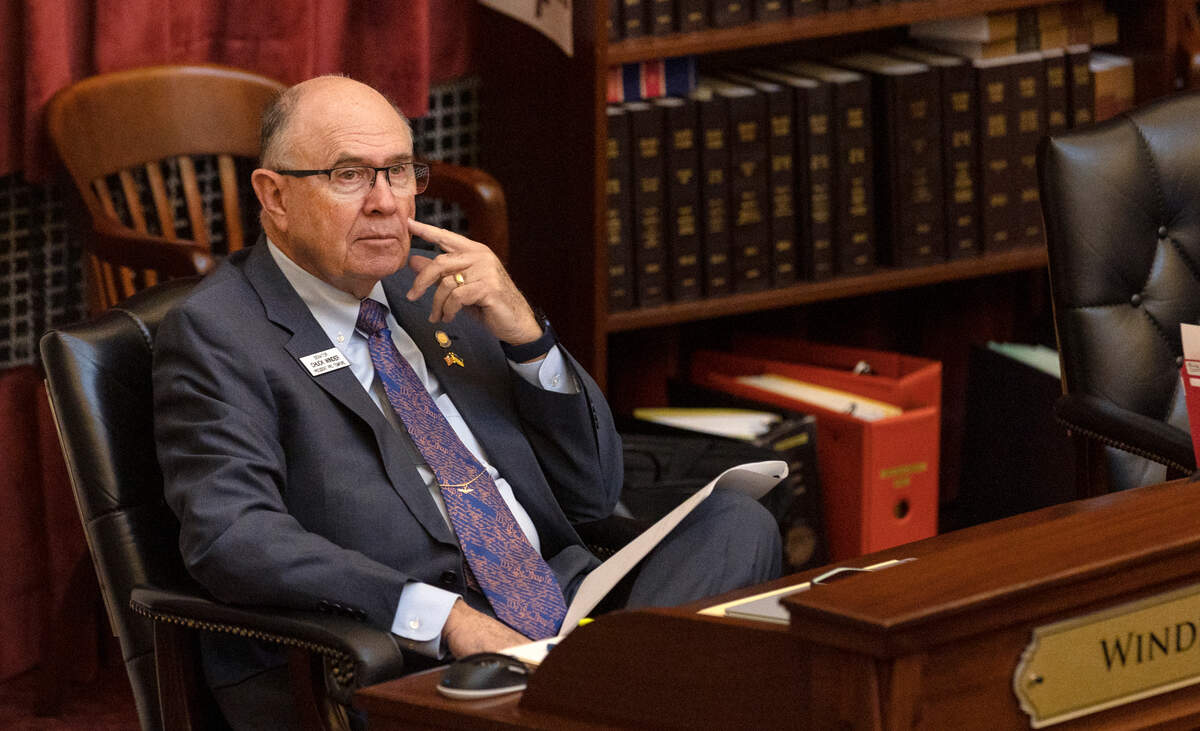
Winder, who served in the Legislature for 16 years, was a strong supporter of the sale and criticized the budget bills that killed it. Roughly a month later, Winder narrowly lost his Senate seat during the May primary election to Josh Keyser, a more conservative challenger who was backed by the state’s politicians further to the right, according to prior Statesman reporting.
“This is a hill I want to die on if I have to,” Winder said during a floor debate. “I’m going to fight this tooth and nail because it is so far out of line.”
Moyle and Winder did not return requests for comment for this story. Winder previously told the Statesman that his position on the sale likely didn’t affect his election loss, but it affected his relationships with other members of the Republican caucus.
“I think that they’re going to find out — when they’re all said and done — it’s going to cost them a heck a lot more money to do what they thought they were going to do,” Winder said. “And I think that the community as a whole doesn’t benefit as much as it could have by having that property developed.”
When the Legislature narrowly passed the two budget bills, Gov. Brad Little chose to neither sign nor veto them, which allowed them to pass into law. But in a transmittal letter, Little said the bills “unfairly cancels an agreed-upon sales process, causing future reputational risk for the state of Idaho.”
The developers sued and brought the case to the Idaho Supreme Court, which concluded that the state had no contractual obligation to sell the property. The court’s decision effectively ended their pathway to redevelop the site.
Could the state have gotten more money for the sale?
Many of the lawmakers who opposed the sale, including Moyle, said the developers were shortchanging the state with their $51.8 million offer.
Cook said an ITD working group had told the Joint Finance-Appropriations Committee that the property could be sold for $80 million to $100 million rather than the appraised value of $38.6 million. But it’s unclear where the much higher range came from.
Regardless, that price tag is high when put next to comparable property sales. Valbridge Property Advisors, which appraised the ITD campus, looked at six other properties, including the Seasons at Meridian Apartments and the College of Western Idaho’s new Boise campus on Main Street and Whitewater Park Boulevard. The CWI campus is about 1 mile from ITD headquarters.
Depending on the appraisal method used, those values ranged from about $17 per usable square foot to nearly $35 per usable square foot, according to the appraisal. Valbridge’s final $38.6 million appraisal of the ITD property was nearly $20 per square foot.
At the $80 million to $100 million mark that lawmakers argued for, the ITD campus would’ve been valued at between about $41 and $52 per square foot.
But appraisals can sometimes be more of an art form, since there’s no exact value of a property. Instead, appraisals often reflect the perceived value of a property.
According to bid information the Statesman received from the Department of Administration through a public records request, the average amount developers were willing to pay for the ITD campus was lower than the appraised amount.
Discounting a unique low dollar amount bid that included thousands of acres in the Boise Foothills, the bids averaged about $35.9 million — $2.7 million shy of the appraised value. The lowest bid clocked in at $15 million. The state went with the highest: Hawkins, The Pacific Cos. and FJ Managment’s bid at $51.8 million.
Valbridge said the building had zero to five years of economic life left in 2022 and that the cost for repairs was not financially viable.
The appraiser’s best bet for the property was to raze the buildings and use the land for a mixed-use development, which is what the trio of developers had proposed.
Reporter Ian Stevenson contributed.
This story was originally published December 19, 2024 at 1:31 PM.