Top Idaho Republicans Little, McGeachin to face off in GOP primary election
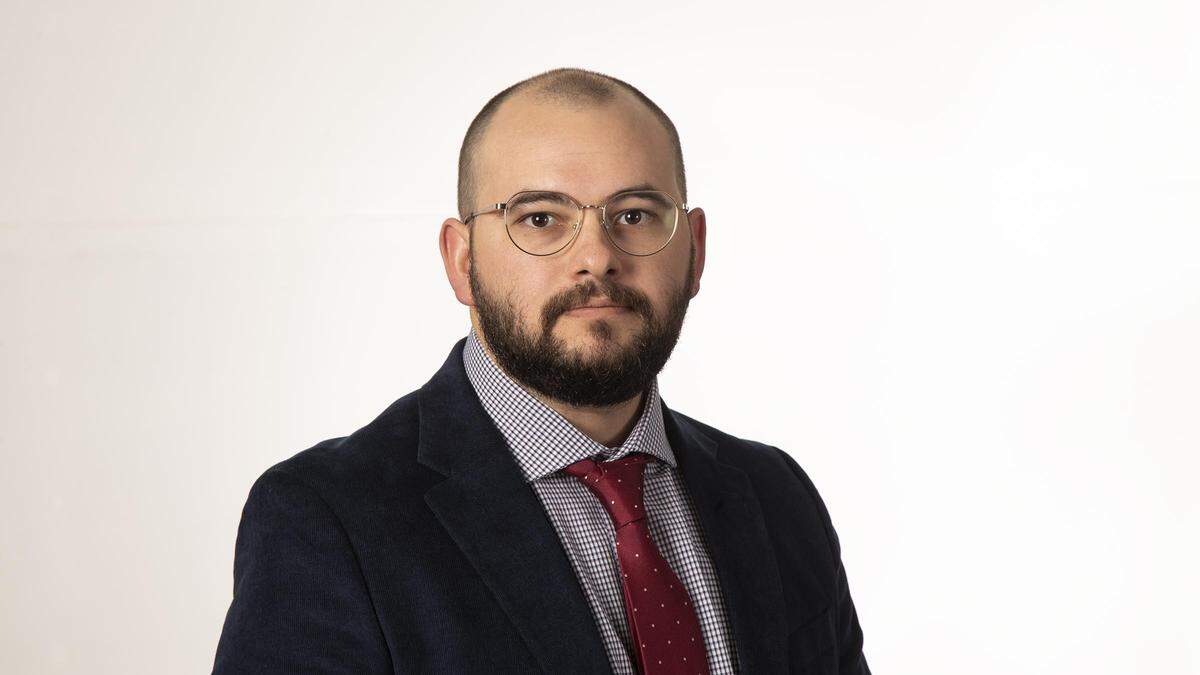
Idaho Republican Gov. Brad Little is running for reelection.
After quietly campaigning for months while collecting nearly $1.6 million in donations — dwarfing fundraising by his competitors — Little finally confirmed his candidacy Friday, about six hours before the filing deadline.
Little, joined by his wife Teresa, filed election paperwork and posed for photos with Secretary of State Lawerence Denney.
“I am committed to continue working on behalf of all Idahoans to strengthen our economy, invest in education and protect our values so everyone, especially our children and grandchildren, will have the ability to build careers and raise their families here in Idaho,” Little said in a news release.
The first-term governor and Emmett rancher touts tax cuts, red tape reduction and boosts for education funding among his first-term accomplishments. But the majority of his tenure has been marked by the COVID-19 pandemic, and his response to the crisis has been a key point of attack for his strongest primary opponent.
Little starts political career in Idaho Senate
Little served in the Idaho Senate for nine years, representing rural and mountain areas north of Boise and following in the footsteps of his father, a longtime Idaho senator. The governor — grandson of Andy Little, the Scottish-born rancher who earned the title “sheep king of Idaho” — was elected to the Senate four times, after his appointment to a vacant seat by Republican Gov. Dirk Kempthorne in 2001.
Little’s Senate tenure ended in 2009 when Gov. Butch Otter, also a Republican, appointed Little to lieutenant governor, filling a vacancy left by Jim Risch’s election to the U.S. Senate. Voters reelected Little as lieutenant governor twice before he ran for governor in 2018.
With endorsements from Otter and other high-profile Republicans, Little edged out then-Congressman Raúl Labrador and developer Tommy Ahlquist in the GOP primary. He handily defeated the Democratic nominee, former state Rep. Paulette Jordan, in the general election.
Little’s promises included cutting taxes, red tape
Among Little’s early goals was cutting business regulations. In his first month, he issued executive orders directing state agencies to identify costly, ineffective or outdated regulations and burdensome licensing requirements that could be eliminated or altered.
Little also promised tax cuts. In 2021, he championed a $435 million income tax cut and rebate package — the largest tax cut in state history at the time. That was followed by $600 million in cuts and rebates this year. Both tax cuts were supported by record surpluses, driven by an influx of new taxpaying residents and federal stimulus to individuals and businesses during the pandemic.
The governor’s detractors point out he has failed to deliver a grocery tax repeal, one of his pre-election goals. While the governor touts more than $1 billion in tax cuts during his tenure, Republicans and Democrats in the Legislature said the income tax package will eat up this year’s surplus, leaving little opportunity to provide grocery and property tax relief.
Little has prioritized education, especially literacy. Every year since 2019 he’s proposed increased funding for literacy programs, resulting in a five-fold increase in the state’s literacy budget, if the Legislature approves his most recent bump.
Little has also successfully lobbied for increased teacher pay, including setting a minimum teacher salary at $40,000 and infusing hundreds of millions in the teacher career ladder.
Year after year, a policy survey from Boise State University identifies education as a top political concern for Idahoans. The most recent survey found education is Republicans’ second-highest priority, behind only jobs and the economy.
Janice McGeachin challenges governor
Little is likely to face half a dozen other candidates in the GOP primary, but his most high-profile opponent is Lt. Gov. Janice McGeachin. The two former allies, who were elected at the same time — governor and lieutenant governor run on separate tickets, unlike many other states — have had a tense relationship in recent years.
McGeachin has undermined the executive branch’s support for public education, Little’s top priority, and the two have sparred over the COVID-19 pandemic, drawing national attention more than once.
As Little gave his State of the State address in January, McGeachin criticized his proposals to infuse more money in the public education system.
“Idaho’s children have suffered a significant loss of learning over the last two years, and Brad wants to throw more money at government schools,” she tweeted. “Let’s start funding kids and families rather than the schools. It’s time for the money to follow the students!”
Last year, McGeachin, along with Rep. Priscilla Giddings, who’s running for lieutenant governor, led a task force to investigate claims of leftist indoctrination in Idaho schools. Educators denied the claims and said teachers were being scared into silence.
At the same time, COVID-19 drew Little and McGeachin apart. Little has taken heat from people on both sides of the political spectrum for his response to the pandemic, and McGeachin fanned the flames among conservatives.
Top leaders spar over pandemic
When Little issued stay-home orders early in the pandemic, McGeachin urged Idahoans to disobey. A small business owner, McGeachin helped rally dissent among the business community and others opposed to the state’s restrictions.
In the fall of 2020, as Little continued to limit public gatherings, following the advice of public health experts, McGeachin appeared in a video in which nearly a dozen Idaho officials railed against COVID-19 measures.
But Little has issued few restrictions over the course of the pandemic’s two years. Unlike some other Republican states, including Texas, Idaho never imposed a statewide mask mandate.
In February 2021, Little quietly softened criteria he initially said the state needed to meet — such as daily hospitalizations and intensive care unit admissions — before reopening. Idaho never returned to the early stages of reopening, even when the state activated crisis standards of care, which allowed hospitals to ration care to patients based on the chance of survival.
During the pandemic’s second year, Little left the state on multiple occasions, and McGeachin jumped at the chance to issue executive orders while acting governor. One order banned mask mandates, and the other barred state entities from requiring COVID-19 vaccines or tests. Little rescinded both orders and later informed McGeachin that it’s no longer necessary that she fill in while he’s out of the state.
Little also faced hostility from the Legislature during the pandemic. Lawmakers sought to curb Little’s emergency powers and expand their own in response to the governor’s coronavirus executive orders. Little vetoed those bills with public support from all four of Idaho’s living governors.
Otherwise, Little has sparingly used his veto power. He blocked two voter initiative bills — for fears that a “liberal judge” might have the opportunity to rule on them. But he signed into law a controversial bill that banned transgender athletes from participating in sports, the first of its kind in the U.S.
Conservative enough for Idaho?
The primary may well be a test of whether Little is conservative enough for Idaho Republicans, or whether they want a leader who represents the far-right populist movement.
McGeachin aligns herself with the party’s most conservative members. Moderate Republicans accuse her of courting favor with extremists. She’s had a cozy relationship with militia groups — she administered a National Guard oath to a crowd of militia members in 2020. Last month, she delivered a pre-recorded speech to a conference organized by a white nationalist.
But McGeachin scored an endorsement from former President Donald Trump, who said McGeachin is “brave and not afraid to stand up for the issues that matter most to the people of Idaho.” Trump also noted he won the state in 2020 by nearly 31%.
McGeachin is also backed by Brent Regan and Doyle Beck, prominent party leaders at the local level and directors of the Idaho Freedom Foundation, a libertarian think tank with a grip on a faction of GOP legislators.
Ammon Bundy’s recent withdrawal from the GOP primary will likely strengthen McGeachin’s position as the ultra-conservative candidate. After Bundy’s announcement, she declared herself the only “viable conservative candidate” in the race.
While his opponent has questioned his conservatism, the incumbent governor continues to cater to the Republican Party. In recent months, he signed onto a successful lawsuit blocking Democratic President Joe Biden’s COVID-19 vaccine and testing mandates, while slamming the president for his immigration policies and blaming him for rising inflation.
In the last year, Little has taken action on immigration and abortion, two key GOP priorities. In June, Little announced he would send five Idaho State Police troopers to the U.S.-Mexico border amid security concerns. The following month, he joined 11 GOP governors in asking the U.S. Supreme Court to overturn Roe v. Wade, the 1973 decision that legally protected women’s access to abortion. He also signed a bill that bans abortions after about six weeks of pregnancy, before many women know they’re pregnant. The law would be triggered if a federal court upholds a fetal heartbeat abortion ban.
In the governor’s race, Little is so far a clear favorite in terms of fundraising. He raised nearly $1.6 million before announcing his candidacy. During the same period, McGeachin raised about $575,000, with $200,000 coming out of her own pocket.
Little’s quiet campaign over the last year drew donations from major Idaho businesses, including Micron, J.R. Simplot, Idaho Power and Bank of Idaho as well as Idaho’s wealthiest businessman, Frank VanderSloot.
This story was originally published March 11, 2022 at 11:35 AM.