Idaho Republicans for Congress hold dominant fundraising leads. Here’s how much
Idaho’s three congressional Republicans running for reelection continue to have substantial campaign fundraising and spending leads over their Democratic and independent rivals.
U.S. Sen. Mike Crapo, who seeks his fifth term in office, commands the greatest financial advantage over his opponents, with approaching $3.3 million in available cash reserves in an election cycle where he has raised more than $5.5 million, according to the latest federal election filings. A separate political action committee that supports Crapo’s reelection has raised more than $1 million over the same two-year election period, the records showed.
By comparison, Crapo’s three challengers who fundraised together generated about $188,700 for their campaigns, or about 3.4% of Crapo’s fundraising total. That number drops to less than 3% of Crapo’s overall haul with the addition of PAC funds that also support the incumbent’s campaign.
Independent candidate Scott Cleveland, a Garden City conservative who said he would caucus with Republicans if he defeats Crapo, reported raising nearly $100,000 since jumping into the race last November. He maintains about $21,100 in cash reserves, his most recent campaign filings showed.
Since March, Democratic challenger David Roth, of Idaho Falls, has raised $79,000, with about $17,900 left a week before the election. Constitution Party candidate Ray Writz, of Coeur d’Alene, reported raising about $10,500, with $250 cash still on hand, according to his latest campaign filing.
Crapo, 71, told the Idaho Statesman last month that his funding edge, built over years in public office, is important to explaining to voters why he deserves another six-year term in the Senate. Crapo previously served three terms in the U.S. House, and if he is reelected he will become the second-longest serving U.S. senator in Idaho history.
“It allows me to get my message out broadly across the state,” Crapo said in an interview.
Such a disparity of resources between candidates makes it incredibly difficult for opponents to contend, said Jaclyn Kettler, a political science professor at Boise State University.
“The cards are stacked against them to some degree, right?” she told the Statesman by phone. “Given the nature of this election, which is favorable for Republicans and incumbents with the partisan leanings of the state, and huge financial advantages, especially for Crapo, and it’s just really hard to mount a competitive challenge.”
The three U.S. Senate candidates who qualified participated in a public debate in early October. At the same time, Crapo has been able to afford expensive, large-scale advertising efforts, including online and on television and radio, as well as prominent billboards, while Roth and Cleveland have had to run much leaner campaigns.
“We simply can’t do that. We cannot compete at that level,” Roth told the Statesman in an interview about his campaign. “But what we are doing is getting out and talking to people en masse. If you don’t have the money, you just have to work harder — one voter at a time, grassroots.”
Roth, 41, has largely directed his campaign funds toward producing signage and traveling around the state for meet-and-greet events, his election filings showed. Cleveland, 61, has focused on distributing signs as well, in addition to smaller radio and online ads buys in recent weeks.
Cleveland told the Statesman he believes that while Crapo’s financial resources are a campaign advantage, they also make him “beholden to lobbyist and special interest groups” and have led him to betray voters. He said he’s taken his message directly to voters at community events to earn their support.
“I personally spent over 70 days shaking hands and listening to the concerns of my fellow Idahoans,” Cleveland said by email. “We have met thousands of regular people — the true voters in Idaho. The majority of voters are greatly dissatisfied with elected officials in both Washington, D.C., and in the Idaho Statehouse.”
Fundraising mismatches in House races
The two U.S. House races also point to fundraising gaps between the Republican incumbents and their challengers.
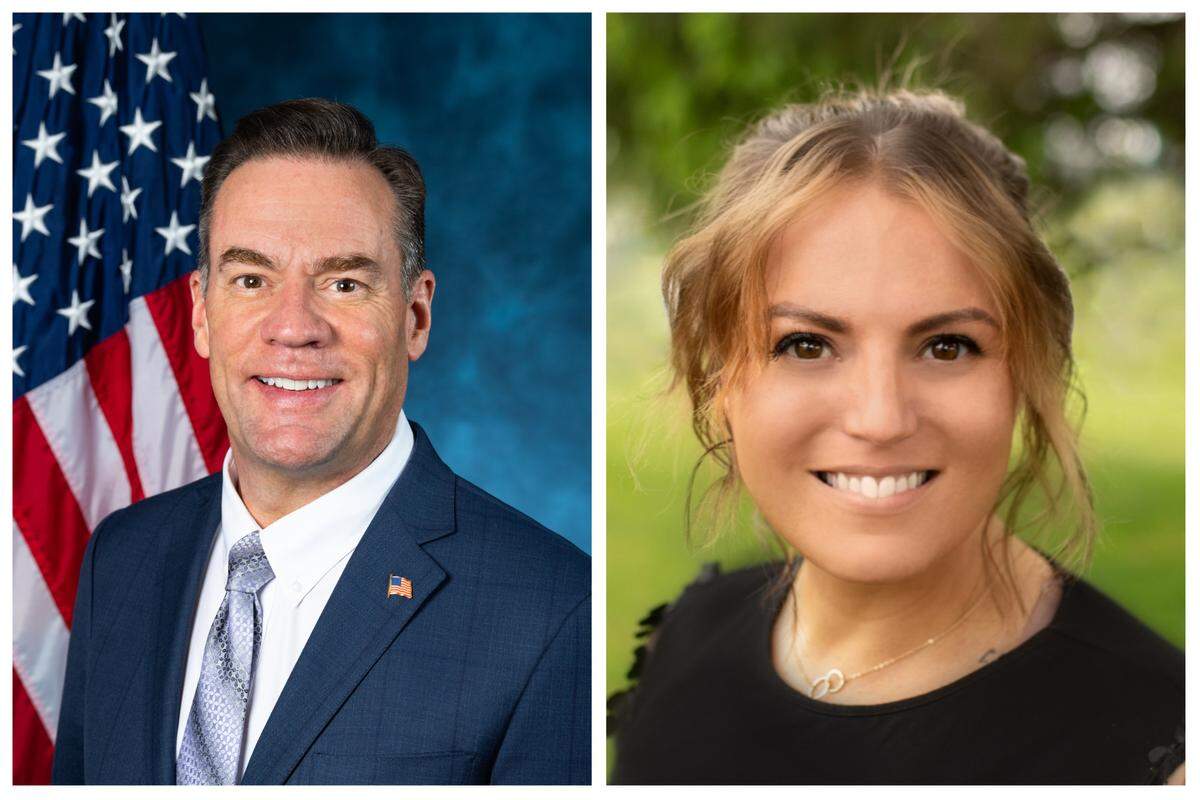
In Idaho’s 1st Congressional District race to represent western and northern areas of the state, Rep. Russ Fulcher squares off in his bid for a third term with Democrat Kaylee Peterson and Libertarian Darian Drake in the general election.
Fulcher, 60, has raised about $526,500 over the two-year election cycle with about $212,000 cash still on hand, his latest federal campaign filings showed.
The two-term incumbent has primarily spent on travel, event sponsorships and staff, as well as some smaller online and radio ad buys. The congressman’s daughter, Meghan Fulcher, works as his campaign manager and her salary accounts for more than a third of Rep. Fulcher’s total campaign expenditures this cycle, the Statesman previously reported.
“I know this sounds cliché, but you never take anything for granted,” Fulcher told the Statesman in an interview last month. “So I’m going to run a campaign, no matter what. I think it’s incumbent on me to try to get my message out, at least, ‘Here’s who I am, and here’s what I stand for, here’s how I intend to do this job.’ And so I’m going to do that, and that costs money.”
Peterson, 32, meanwhile, has raised $67,000, with about $22,000 remaining, her campaign filings showed. Drake, 49, is not actively campaigning, and has instead directed supporters to donate to various organizations.
Peterson has mostly spent on campaign event expenses and materials, travel costs and Facebook ads. She told the Statesman that since announcing her campaign in March, her strategy for building name recognition has led to spending 10 days of every month out on the road, and she’s driven nearly 20,000 miles canvassing the district over that time.
“It’s just a lot more work,” Peterson said in an interview, compared to being an established candidate. “Putting the time and work in, you can’t get around it. I know seven months ago, nobody thought we could do it.”
Simpson largely spent in primary
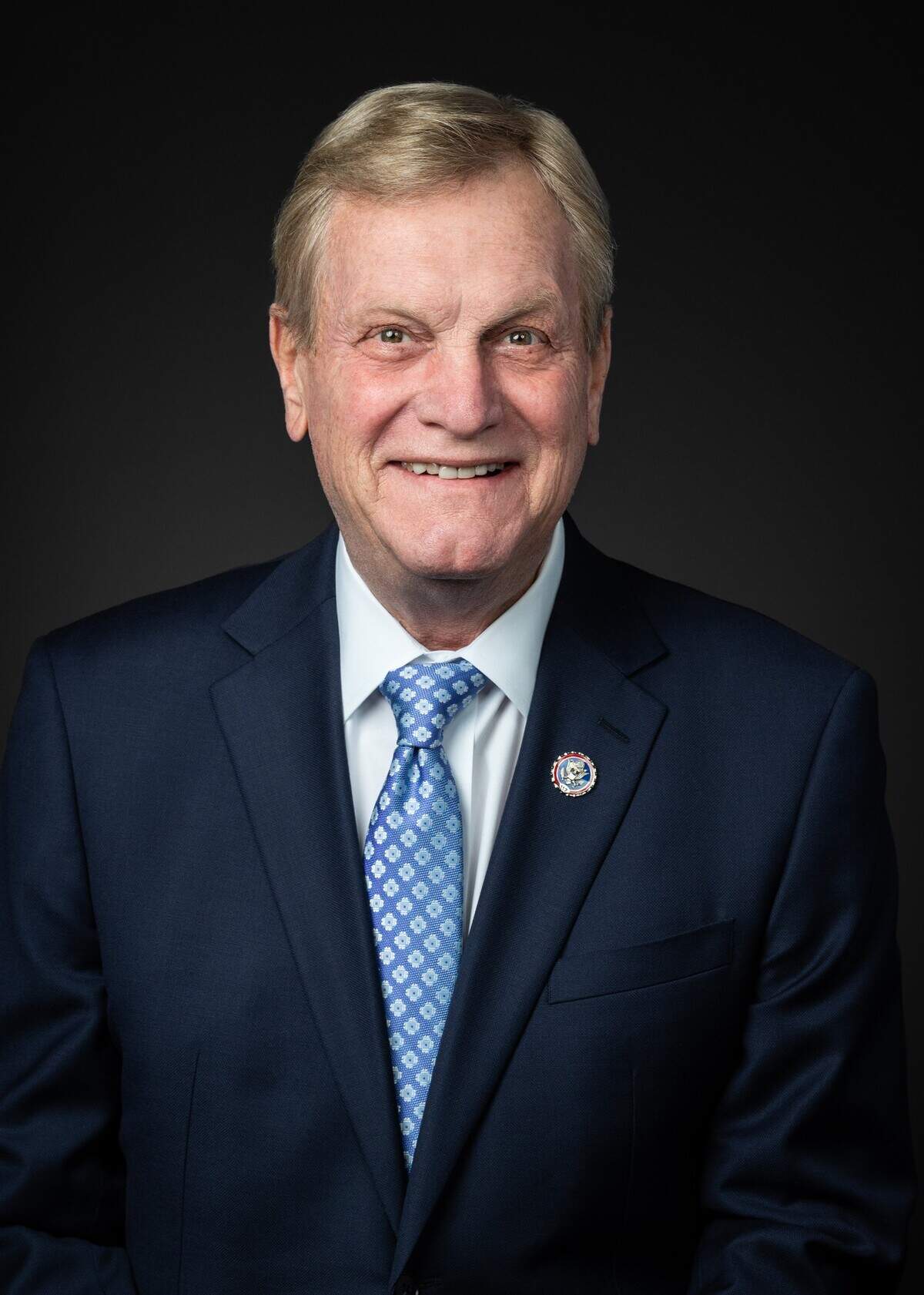
In the 2nd Congressional District, Rep. Mike Simpson seeks a 13th term in the seat that represents East Idaho and part of Boise. He successfully defended it in May’s Republican primary against Idaho Falls attorney Bryan Smith.
Simpson, 72, has raised about $1.6 million this election cycle, with at least $189,000 cash still available, his latest campaign filings showed.
“I’m deeply honored to represent the people of Idaho in Congress and humbled by the tremendous support I’ve received throughout the campaign,” Simpson told the Statesman in a statement. “Our strong fundraising allows me to share my proven record of being a fierce and effective champion for Idaho and fighting for the policies that help our great state thrive.”
Simpson spent the vast majority of those funds during the primary to defeat Smith, including on TV and digital ads, polling and consulting and fundraising events. He received 54.6% of the vote, compared to 32.7% for Smith.
But since July, Simpson has spent just $241,000, which includes $100,000 in transfers to the National Republican Congressional Committee for other races, the records detailed. That total compares to his nearly $1.2 million in expenditures during the primary.
Nonetheless, Simpson’s general election expenditure are more than 30 times the $7,850 that Wendy Norman, his Democratic opponent, has spent since March, mostly on travel expenses. She has about another $4,000 in cash reserves remaining, Norman’s campaign filings showed.
Norman, 51, of Rigby, acknowledged the steep climb such a political challenge represents, including with fundraising. Running as a Democrat in a Republican dominated state is difficult enough, she said, let alone trying to topple a longtime, well-financed opponent like Simpson.

In addition, neither Simpson nor Fulcher agreed to participate in debates against their opponents, eliminating a chance for challengers to spread their campaign platforms to wider audiences, Norman and Peterson said.
Norman said she’s committed to continuing to run for the seat in future elections to build momentum and eventually try to overcome the benefits the incumbent owns in campaign contributions.
“What it’s going to take to defeat someone like Simpson is dogged determination, a willingness to learn and serve, and a never-give-up attitude,” Norman told the Statesman by email. “While the dollars donated to my campaign are much smaller in number than Simpson’s, those dollars represent people who have been left behind in Idaho politics. We need to reach every Idahoan so they know what is at stake and how they can participate more fully in our government.”
This story was originally published November 1, 2022 at 12:25 PM.