
College of Western Idaho trustee says CWI’s foundation botched the levy campaign
A College of Western Idaho spokesman sees a positive in the hair’s-breadth loss a proposed levy for a new Health Science building suffered at the polls this week. But an outgoing member of the college’s board of trustees sees missteps in a campaign she thinks was misguided from the start.
First, the positive, as seen by Mark Browning:
It was so close.
Unofficial results in Canyon and Ada counties show that with 231,760 ballots cast, votes in favor of the $49 million levy fell just 144 votes — less than one-tenth of a percentage point — short of the 55 percent needed for passage. The fact that a majority of voters were willing to raise their own taxes to pay for the building shows impressive support, Browning said.
“Every vote counts, doesn’t it?” Browning said in a telephone interview, pointing to other tight races like the one for Idaho’s superintendent of public instruction, which incumbent Republican Sherri Ybarra won by 3 percentage points; and the contest for the state Senate seat in District 15, which Republican incumbent Fred Martin won by just six votes.
“There’s obviously disappointment, but we’re not down and out.”
But in the view of CWI Trustee Emily Walton, the levy should have succeeded in an election that saw Democrats, who are usually more willing than Republicans to raise taxes for education, make gains in the Legislature and local governments.
Walton partly blames its failure on the campaign. She said board members for the CWI Foundation, which raises money for the college, made a mistake when they hired Gary Hunter to run it. Hunter’s connections include helping foundation board member Bill Ilett establish the Idaho Stampede, an NBA Development League team, in Boise.
“I’m really offended by that,” said Ed Barrett, president of the foundation’s board and the campaign.
He said the campaign’s budget — $50,000 — wasn’t enough to pay for a more seasoned or higher-profile manager. Given the money he had to work with, Barrett said, Hunter’s effort was “astonishing.”
“We don’t feel like a failure,” Barrett said.
Questions of experience
Walton made her opinion known in a June email to the board.

“I was surprised last week that the CWI Yes campaign had hired a campaign manager who has no experience running a political campaign, and although I had expressed my opinion about the skills we need in a campaign manager before one was selected, my input was disregarded,” Walton wrote. “I have run several political campaigns and I know there are very specific pieces of knowledge and skill required to run a successful campaign. I do not believe Gary Hunter has the skills necessary. I am certain he is a very qualified person in any number of things but I am concerned about putting the success of our campaign in the hands of a person who has not run an actual political campaign before.”
Walton said in a telephone interview that Hunter didn’t attack the campaign the way she would have, the way backers of establishing CWI approached their 2007 campaign.
“There really is a ground game that needs to occur where you call a bunch of voters and you ask for their vote and then you turn them out to vote,” she said. “Very basic stuff, but they didn’t do that as far as I know.”
Hunter did not return phone calls Tuesday and Wednesday.
Barrett said Walton was welcome to get involved in the campaign, but she never did.
Tuesday’s defeat follows the 2016 defeat of a $180 million bond issue for the health building, a Boise campus and other improvements. Because of the proposed 20-year borrowing, that required a two-thirds majority to pass but garnered just 57 percent — a percentage that would have been high enough to pass this year’s levy.
What could have been
The levy would have added $12.63 per year for 10 years to the tax bill of a typical $250,000 house. That owner now pays $21.47 per year toward CWI.
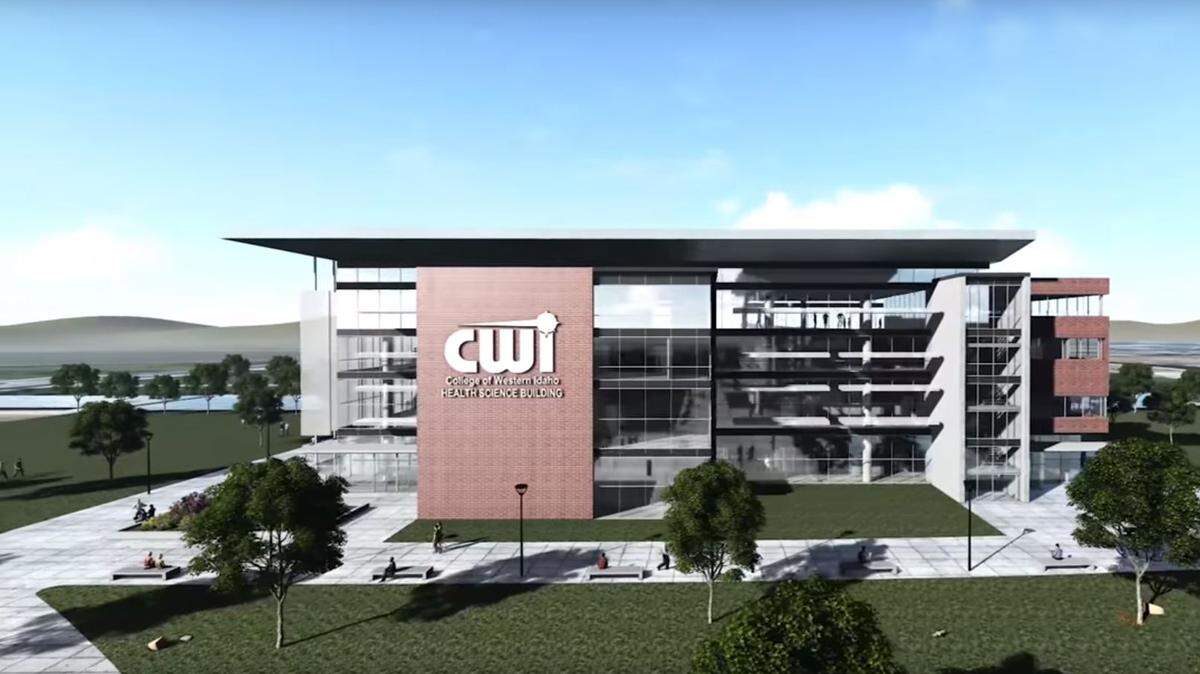
The levy money would have paid for a four-story, 100,000-square-foot building just north of the Ford Idaho Center in Nampa. It would have been a center for training nurses, surgical technicians, medical assistants and other health-care professionals at the community college.
Levy backers said Idaho needs 1,600 more health-care professionals than it has, and the need is growing as more people, many of them retired, move into the state. A new health science building would help CWI close that gap, they said.
Browning said CWI hasn’t decided its next move. The earliest it could return to voters with new levy measure is May 2019. Before putting such a proposal before voters, Browning said, the college will take the pulse of local hospitals and other health-care businesses.
“The need to train more health-care workers is not going away,” he said.
And because the vote was so close, state law appears to offer levy backers a free recount. CWI staffers will ask trustees if they want to ask for a recount, Browning said.
Walton won a four-year term in the 2014 election and did not run again this November. She will be succeeded by Annie Pelletier Hightower, who ran unopposed on Tuesday.
Walton said she wants CWI to succeed in getting a new health science building and improving its service to students and the Treasure Valley at large. But she’s not convinced the college’s leadership is on the right track.
“Unless they feel the pain of it and they accept the truth of why they’re losing, they’re not going to change,” Walton said. “And it frustrates me deeply.”
This story was originally published November 7, 2018 at 2:23 PM.