How many people visited National Park sites in Idaho in 2025? See popular spots
How popular are Idaho’s natural wonders?
The National Park Service manages more than 85 million acres of land across the United States, including six sites in Idaho.
Parks staff keeps track of how many visitors stop by each attraction every month, making end-of-year tallies available after the first quarter of the following year.
In 2025, federally managed public lands in Idaho welcomed a total of 5.5 million visitors.
Here’s which spots had the highest numbers:
What’s the most popular national park in Idaho?
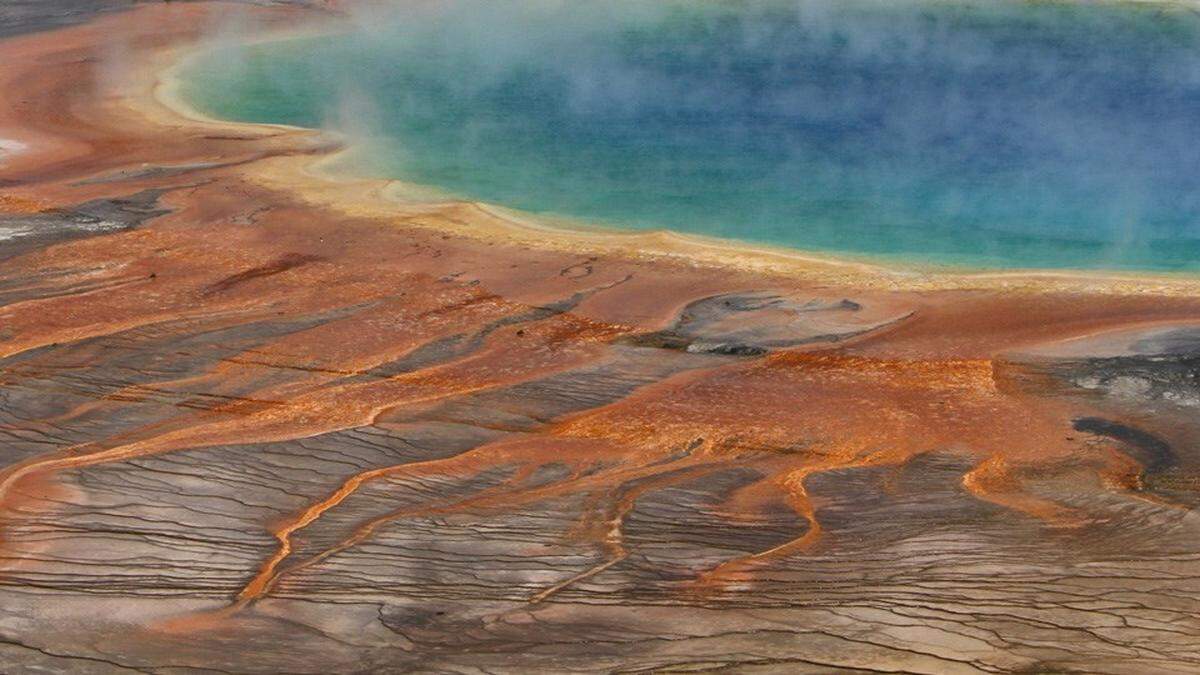
Yellowstone National Park was the second-most popular national park in the country in 2025, trailing behind Zion National Park in Utah, according to National Park Service data.
More than 4.7 million people visited Yellowstone in 2025, an increase about 18,600 visitors since 2024.
Only a sliver of the 2.2 million-acre national park — about 1% — can be found on the eastern edge of Idaho.
About 3% of Yellowstone is in Montana, while the remaining 96% can be found in Wyoming.
In 1872, Yellowstone became the first national park in the United States, according to the National Park Service.
“Visitors have unparalleled opportunities to observe wildlife in an intact ecosystem, explore geothermal areas that contain about half the world’s active geysers and view geologic wonders like the Grand Canyon of the Yellowstone River,” the federal agency said.
Yellowstone saw its highest number of visitors in 2021, when 4.86 million people made their way to the park.
How popular is Nez Perce National Historic Park?
Nez Perce National Historic Park was the second-most popular spot in Idaho in 2025, according to the latest visitor data from the National Park Service.
The national historic park encompasses 38 sites “important to the history and culture of the nimíipuu” across northern Idaho, Montana, Oregon and Washington state, according to its website. Only nine are managed by the Park Service.
Nez Perce National Historic Park saw close to 350,000 visitors in 2025, an increase of about 1,000 visits since 2024.
The park, which was established by an act of Congress in 1965, “focuses on a people who live in a landscape that ancestors called home,” the National Park Service said.
In 2023, a record 377,000 visitors visited the park.
How many people visit Craters of the Moon? City of Rocks?
You don’t have to travel to the moon to experience a lunar landscape.
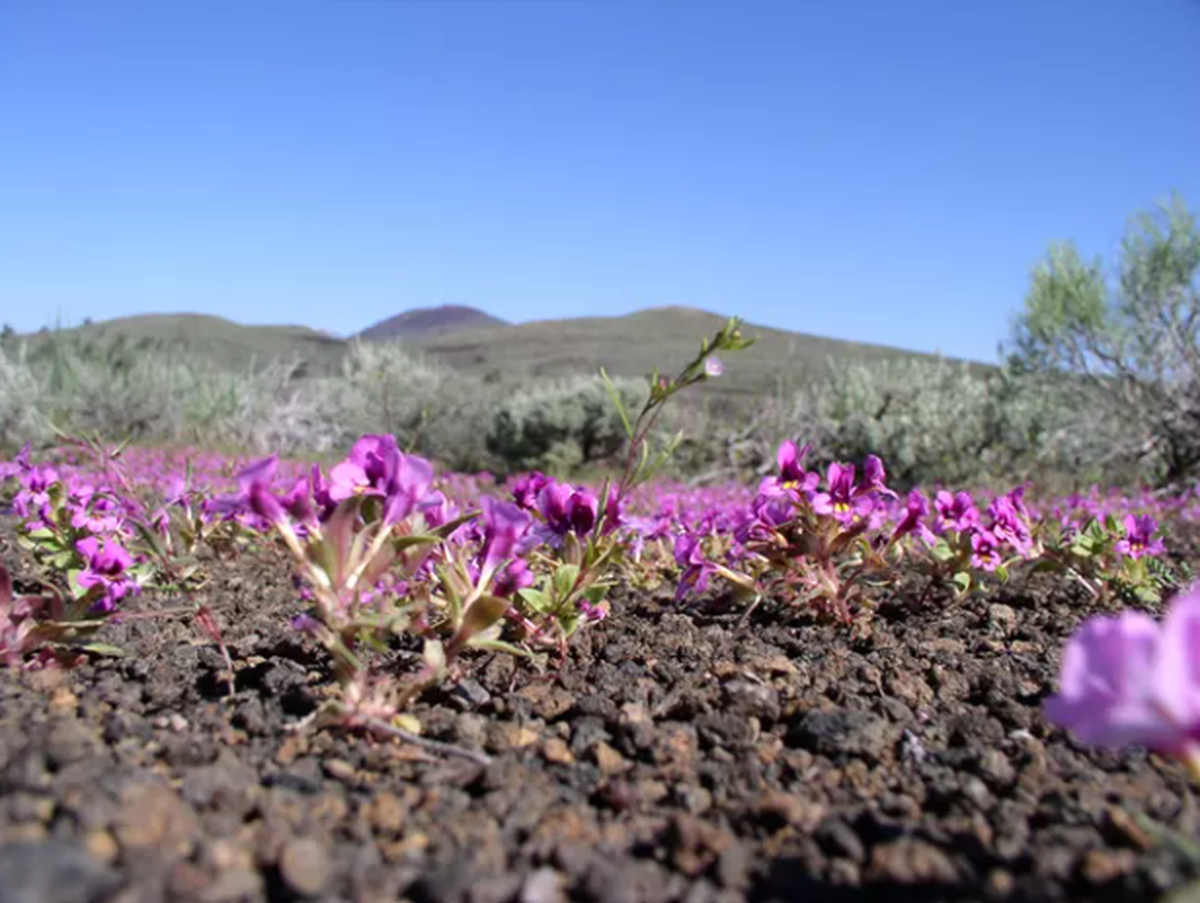
Craters of the Moon National Monument and Preserve in southern Idaho features a “vast ocean of lava flows with scattered islands of cinder cones and sagebrush,” the National Park Service said.
This seemingly barren landscape is home to a diverse array of hardy wildflowers and desert animals.
Craters of the Moon National Monument and Preserve recorded about 260,000 visits in 2025, a decrease of 54,000 visitors since the previous year.
The preserve set a record for visitation in 2024 with more than 314,000 visits, National Park Service data show.
.jpg "Image from iOS (24).jpg")
City of Rocks National Reserve “beckons rock climbers, hikers, campers, hunters and adventurers with its dramatic scenery, fascinating geology and echoes of the Old West,” park officials said on its website. “The Silent City is ready for you to explore.”
The reserve is near the community of Almo, along the border between Idaho and Utah.
The soaring stone towers of City of Rocks attracted nearly 91,000 visitors in 2025. This is about 1,000 more than the previous year.
The national reserve welcomed its most visitors ever — about 142,000 people — in 2018.
Minidoka National Historic Site in southern Idaho serves as a grim reminder of a dark chapter in American history.
“During World War II, over 120,000 people of Japanese ancestry were forcibly removed from their homes and incarcerated without due process of law,” the National Park Service said. “Although little remains of the barbed-wire fences and tar-papered barracks, the Minidoka concentration camp once held over 13,000 Japanese Americans in the Idaho desert.”
According to the National Park Service, about 43,500 people visited Minidoka National Historic Site in 2025, setting a new record.
Visitations increased by more than 20,000 people since 2024.
Echoes of history can also be found at Hagerman Fossil Beds National Monument on the Snake River near Twins Falls in southern Idaho.
The area was once home to “now-extinct creatures like the saber-toothed cat, mastodon and ground sloth” as well as more familiar animals such as horses, beavers and ducks, the National Park Service said.
The Hagerman horse fossil, discovered in 1928, was named Idaho’s state fossil 60 years later.
The national monument saw close to 37,000 visitors in 2025, roughly 2,000 visits short of its record high.
In 2024, about 39,000 people visited the Hagerman Fossil Beds.
How many visitors did Grand Tetons National Park see?
Though they’re not technically within the borders of Idaho, the Grand Tetons are close enough to view across state lines.
In fact, Idaho’s most in-demand Airbnb listing — a Wild West-style saloon in Tetonia — boasts views of the majestic mountain range.
“For over 11,000 years, communities have thrived in the valley known as Jackson Hole, turning these mountains into more than just peaks,” the National Park Service said. “They embody imagination and enduring human connection.”
About 3.8 million people visited Grand Teton National Park in 2025, up from 3.6 million the previous year.
The national park fell about 86,000 visitors short of breaking its record of 3.88 million visitors, set in 2021.