In Idaho’s early days, some people really did get away with murder. Here’s why
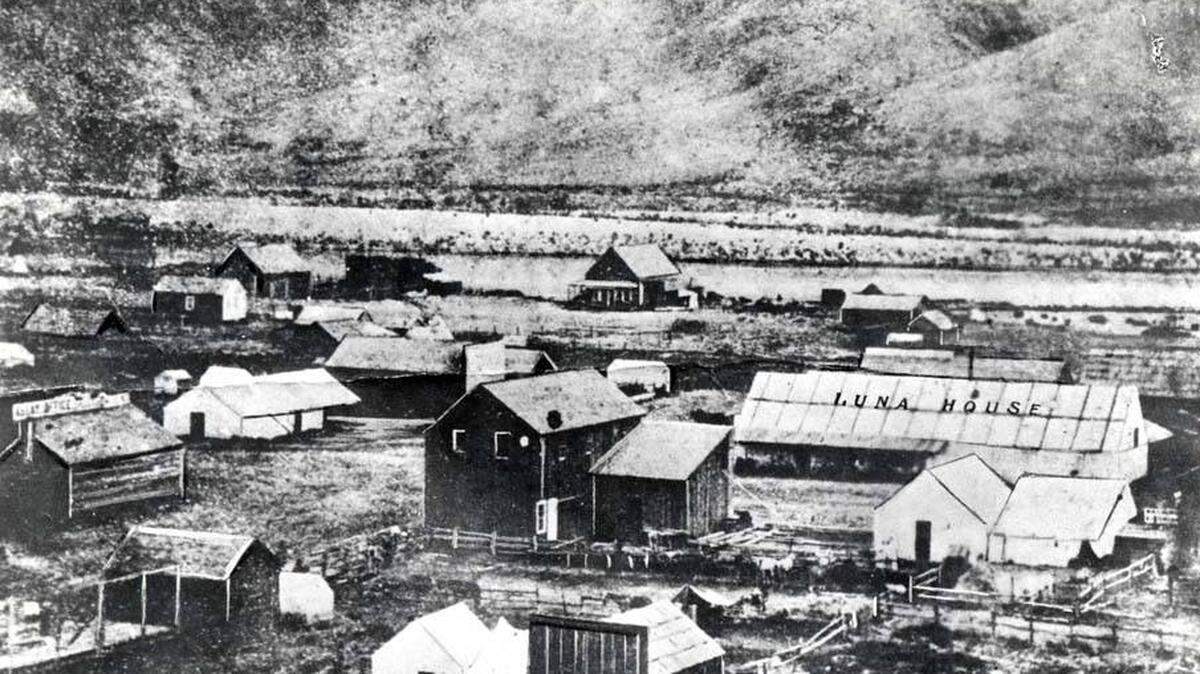
For a 10-month period in 1863, someone could get away with murder in Idaho.
In fact, at least two people did.
Congress established the Idaho territory March 3, 1863, but it neglected to provide a criminal or civil code. The federal government gave judicial authority to a territorial supreme court, while it was up to local lawmakers to “put teeth” into the court system, according to the Idaho State Historical Society.
The territorial legislature convened for the first time Dec. 7, 1863, in Lewiston — then the capital — and a month later codified a new set of criminal and civil laws. But at least two murders occurred between the territorial charter and the enactment of its laws.
The convicted killers were released from prison in 1866 when the territorial high court reasoned that Idaho “had no criminal law” when the crimes were committed, historian Carlos Schwantes wrote in his book, “In Mountain Shadows: A History of Idaho.”
A dubious legal framework was especially problematic in Idaho. Like other territories in the West, Idaho was difficult to govern and was prone to lawlessness. The territory initially included modern-day Montana and most of Wyoming. Many residents were itinerant miners, and outlaws flourished in the small mining camps across the vast region.
Often, communities even relied on vigilante justice.

Government officials also took advantage, collecting multiple salaries or embezzling funds. Territorial governors, appointed by the U.S. president, often spent their tenures elsewhere. Idaho governors became known among locals as “carpetbaggers” for their opportunism.
“The territorial phase of government and politics lasted nearly three decades and had few redeeming features,” Schwantes wrote. “Idaho seemed forever to totter on the brink of insolvency or administrative incompetence, and larcenous carpetbag governors helped themselves to public funds.”
By 1866, the territorial laws again were in doubt. The legislature approved a rewrite of the criminal and civil codes, and contracted a San Francisco publisher to print them. But before the transaction was complete, then territorial secretary Horace Gilson stole all the money — about $43,000 — Congress had appropriated to Idaho that year, an amount equal to the worth of the entire territorial treasury.
Gilson fled to Hong Kong, and the printer refused to release the volumes of Idaho’s laws without payment.
“Idaho’s civil and criminal code thus remained in San Francisco for three more years,” Schwantes wrote, “during which time Idaho lawyers and courts were forced to rely on less than satisfactory newspaper copies of the laws.”
Today, a committee of citizens oversees publication of Idaho laws. The Idaho Code Commission, created in 1947, includes three attorneys who are vetted by the Idaho State Bar and appointed by the governor.
The low-profile group is responsible for keeping the volumes of Idaho Code up to date following a legislative session, when laws are enacted or repealed. It also contracts with publishers for new copies when code books get too bulky.
This story was originally published June 7, 2023 at 4:00 AM.