Failed chip-sealing led to cracked windshields in 2024. ITD wants to fix it
AI-generated summary reviewed by our newsroom.
- ITD will resurface Chinden Boulevard after failed hot chip seal application.
- Night work will close one lane each direction for six weeks to reduce impact.
- Hot chip seal caused loose gravel, damaging windshields and prompting complaints.
Are you ready for everyone’s favorite time of the year? No, not summer. Chip-seal season.
While the Ada County Highway District kicked off its chip-sealing season on May 27 with a new focus on Eagle and Star, the Idaho Transportation Department is starting by revisiting an area after a new sealing method in 2024 failed, leading to cracked windows and upset drivers.
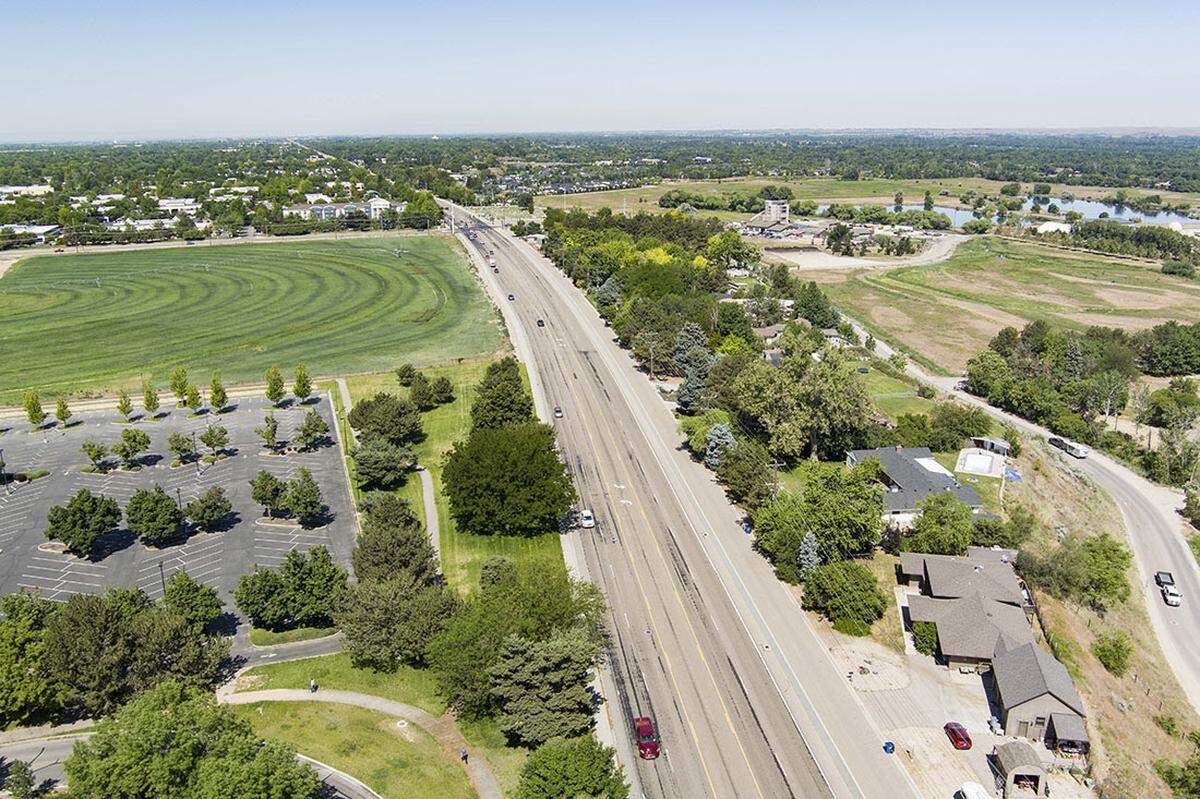
ITD returned on Monday night to Chinden Boulevard to reseal the problem sections from Glenwood Street in northern Garden City to Linder Road, just past Eagle Island State Park, according to a news release.
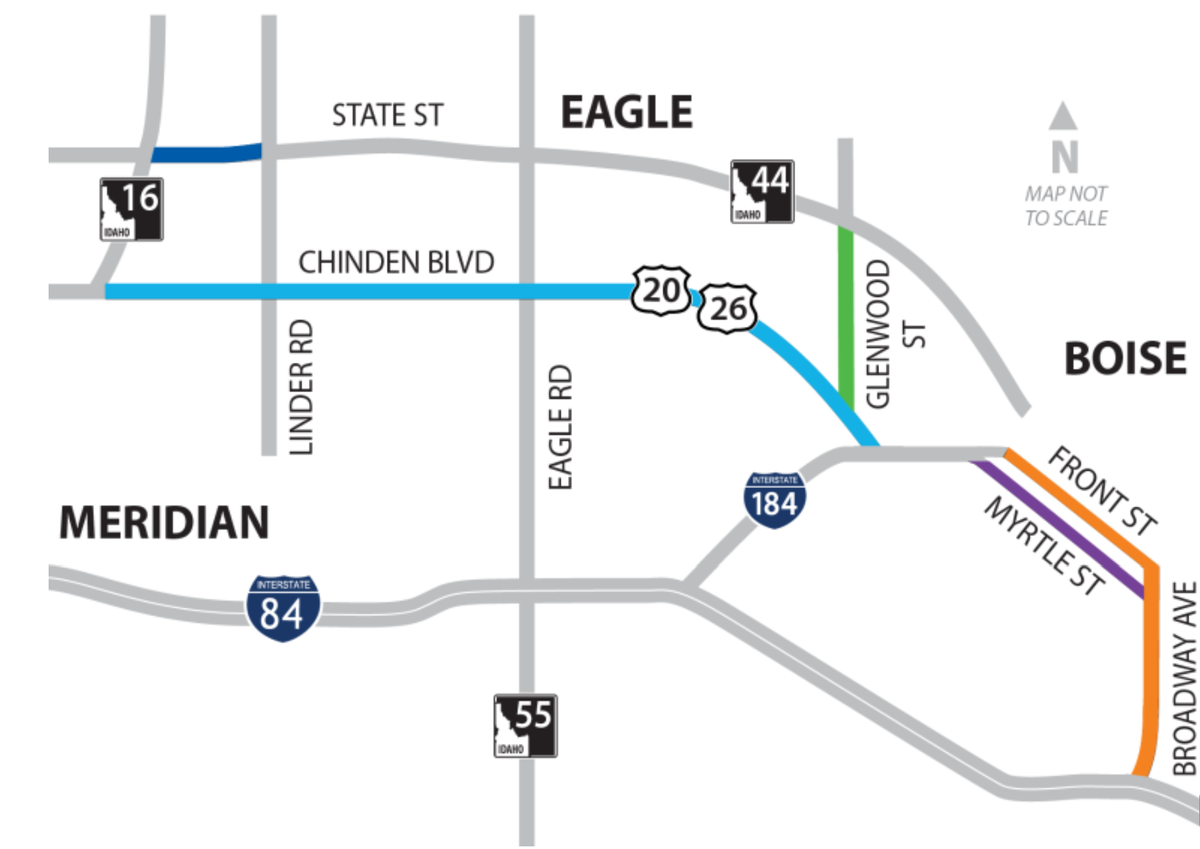
ITD plans to resurface Chinden Boulevard from Glenwood to Eagle Road with a thin asphalt overlay, while the section from Eagle Road to Linder Road would get new pavement sealer and fresh paint lines. According to John Tomlinson, a spokesperson with ITD, the fixes will cost $3.7 million and come out of ITD’s budget.
Crews will work at night between 7:30 p.m. to 5 a.m. to minimize the impact on drivers, according to the news release. ITD said it will close one lane in each direction at night for up to six weeks for the work, but the department will keep all lanes open during the day when work crews are not on site.
New technique led to cracked windshields
Not every state uses chip-sealing, though it is a common tool that ACHD and ITD use to seal roadway cracks and prevent potholes by putting down a surface layer of oil and gravel.
ITD launched a new chip-sealing technique for the department in 2024 called “hot chip seal.” Unlike traditional chip-sealing, which uses oil heated to about 150 degrees that crews apply during daytime high temperatures, hot chip seal uses oil heated to 300 degrees so workers can apply it at night.
A “key advantage is that drivers can use the roadway within 30 minutes of chip-sealing, compared to the 24-hour wait required by regular chip seals,” ITD spokesperson Sophia Miraglio said in a 2024 news release. “This high temperature process not only extends the pavement’s service life but also minimizes disruptions to businesses and motorists.”
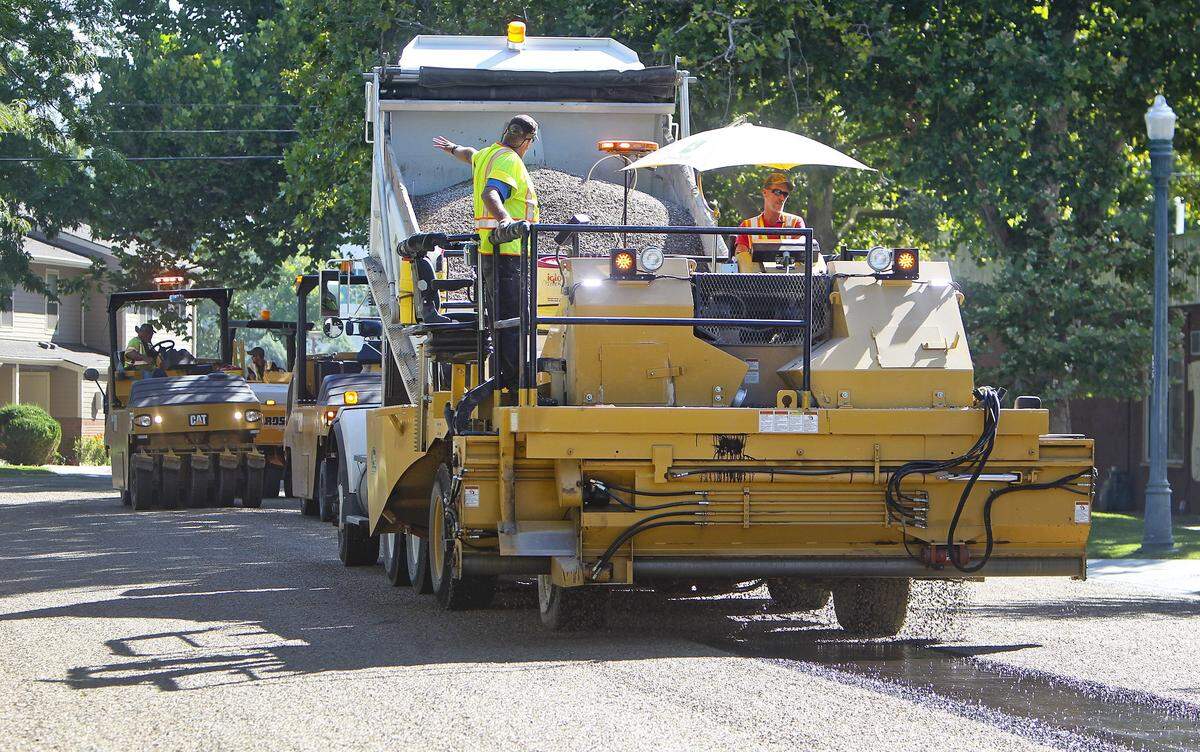
ITD partnered with North Dakota-based construction company Knife River to chip-seal Chinden. Problems started cropping up soon after with, loose gravel flying up as people drove on the freshly sealed road.
The problems were most concentrated on about three miles between Glenwood and Cloverdale road, according to an ITD project page. That section of Chinden includes the main entrance to ITD’s headquarters on the former Hewlett-Packard campus now owned by the state.
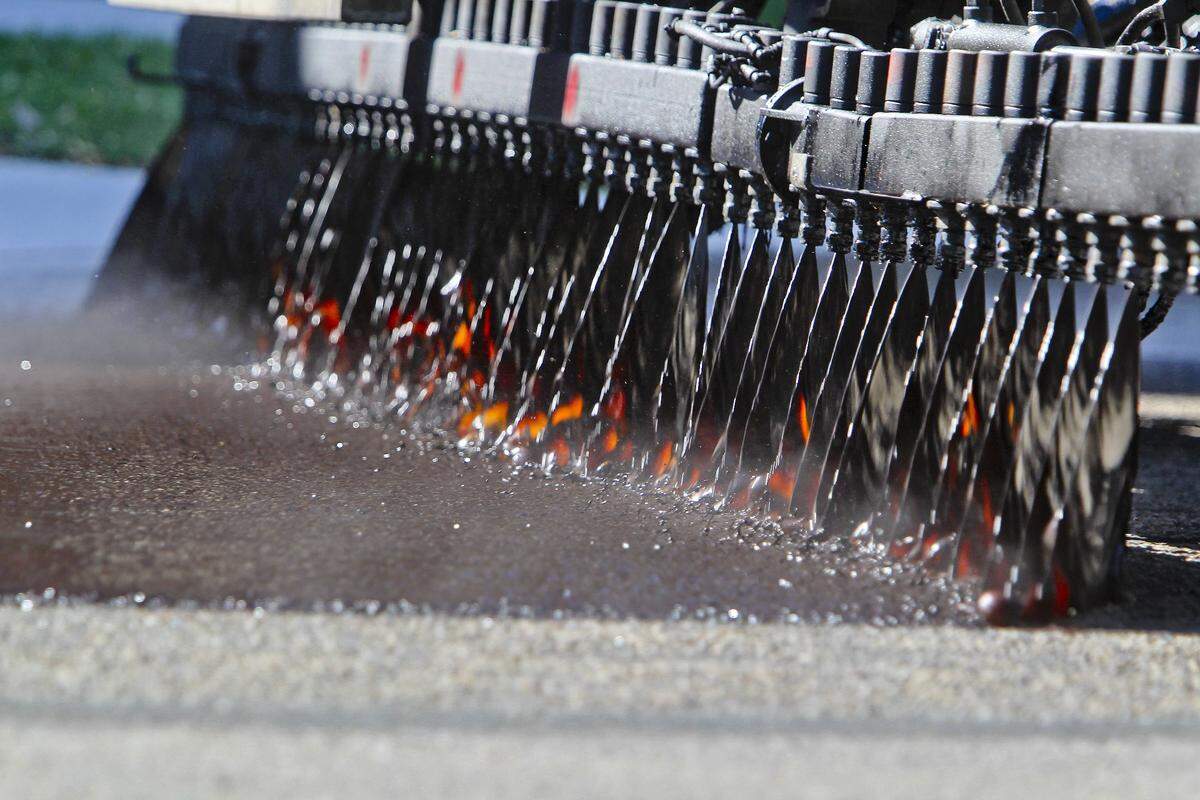
“It has been disintegrating pretty badly in places,” wrote one Reddit user. “Barely a day goes by that my windshield doesn’t get pelted by gravel, especially when cars change lanes in front of me. And that is even after widening my following distance!”
ITD and Knife River did recurring sweeps of the area to clear up loose gravel, according to the department’s project page. The department recommended filing a tort claim with the state Department of Administration if any loose gravel cracked your windshield.
This story was originally published June 10, 2025 at 4:00 AM.