‘We weren’t surprised’: Pandemic’s impact shows up in Idaho’s standardized test scores
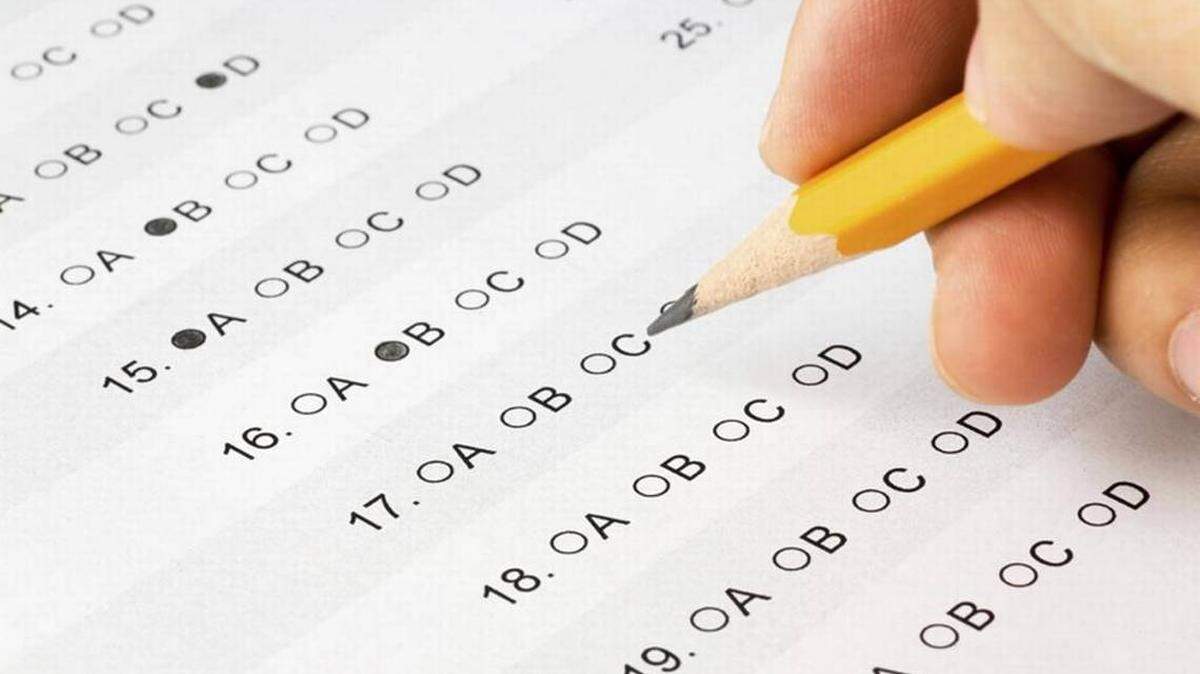
A slightly smaller share of Idaho students scored as at least proficient on their English language arts and math standardized tests in the spring when compared to pre-pandemic results.
The amount of students who scored proficient or advanced on the English language arts portion of the Idaho Standards Achievement Test this year was 54.1%, not quite 1 percentage point lower than the share of students reaching those levels in 2019. In math, about 39.6% of students scored as proficient or advanced, a drop of about 5 percentage points compared to 2019, when 44.4% of students hit those marks.
“The onset of the pandemic in spring 2020 disrupted the ISAT along with all Idaho school operations, so we weren’t surprised that scores did not continue the gradual upward trend of the previous few years of testing,” Superintendent of Public Instruction Sherri Ybarra said in a news release.
“We expected an impact, and now we can use these results to move forward to rebuild academic performance.”
In the spring of 2021, nearly 163,000 students in grades 3-8, as well as high school sophomores, took the exam. Because of the pandemic, the last time all students took the test was in 2019.
Over the past year, students and teachers had to adapt to remote and hybrid learning models as the coronavirus spread. Officials said they expected the share of students scoring as proficient or advanced would fall.
Ybarra said the state is working to address the impacts of the pandemic on learning through tutoring, after-school programs and other “targeted intervention” measures. Teachers said some students did well with online learning, but many struggled.
“I know districts and schools throughout the state are committed to identifying and supplying what their students need to succeed,” Ybarra said, “and I am sure our combined efforts will help students regain lost ground and continue on the path to achievement.”
The scores for this past spring are also representative of a different group of students than in 2019, especially taking into account that 2020 tests were skipped, said Kevin Whitman, the assessment and accountability director.
“When comparing results from different years, it is important to remember that they reflect different cohorts of students, and that proficiency is only one measure of achievement,” he said in a news release.
The 2021 scores showed significant discrepancies across demographics — a trend also seen in previous years. About 59.2% of white students were proficient or advanced in English and about 44.8% were in math. Among students classified as Black/African-American, the numbers were 31.3% in English and 16.7% in math. Among Hispanic/Latino students, it was 36.1% in English and 21.1% in math.
Scores also varied across school districts and grade level. In the Boise School District, about 56.5% of all students were proficient or advanced in English and 42.6% in math. In West Ada, the largest school district in the state, more than two-thirds of students were at least proficient in English and 53.4% in math. In Nampa, the figures were about 40.8% in English and 22.6% in math.
Results from the Idaho Reading Indicator released earlier this summer showed that the share of Idaho students in grades K-3 reading at grade level decreased slightly in the spring compared to 2019.
As students head back to school this month, teachers say they are hoping to address any gaps in learning from the 2020-21 school year. Teachers and administrators have been hopeful that in-person school will stay in place all year, but with COVID-19 cases surging in Idaho and most school districts shunning mask requirements, public health officials have warned about the potential for outbreaks.
This story was originally published August 19, 2021 at 1:52 PM.