Idaho Supreme Court may decide governor’s powers to reject clemency after appeal
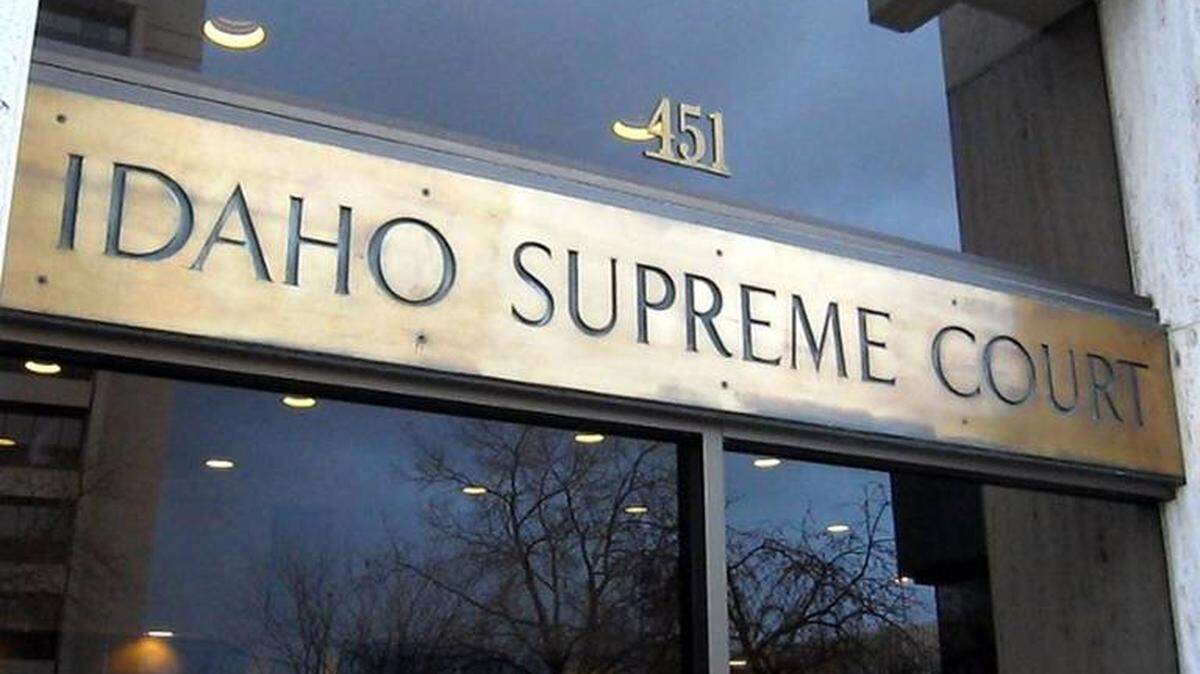
Following up on a pledge from Gov. Brad Little’s office to challenge a judge’s ruling last week that the governor lacks the authority to deny a clemency recommendation, the attorney general’s office on Wednesday appealed the decision to the Idaho Supreme Court.
The case centers on the question of whether the Idaho Constitution grants the governor final say on sentence reductions approved or denied by the Idaho Commission of Pardons and Parole.
Judge Jay Gaskill, of the state’s Second District Court, asserted in his Feb. 4 decision that the governor does not have that power, citing the language of the Idaho Constitution. The Nez Perce County judge ruled that Little acted illegally when he rejected the parole board’s recommendation in December to reduce convicted double-murderer Gerald Pizzuto’s death sentence to life in prison.
“The Idaho Constitution has never directed that one individual has the power to decide matters in any criminal matter, let alone a case with the ultimate penalty of death,” Gaskill wrote. “Had the founders or the people of the state of Idaho intended to vest the sole power of commutation of death sentences with the governor alone, (the constitution) could have been drafted with this specific language, just as was done in other states.”
Idaho AG argues to support governor’s powers
The state’s argument, though, instead relies on a constitutional amendment in 1986 and its connection to Idaho statute, which lays out the governor’s role in the commutation process.
The law states that the parole board, which was first established in 1969, has “full and final authority” in all convictions, except in cases of treason or impeachment. In cases concerning life in prison or a death sentence, however, the law states that the decision of the parole board, of which the governor makes appointments, “shall only constitute a recommendation subject to approval or disapproval by the governor.”
That statute conflicts with the Idaho Constitution, Gaskill wrote, which has overriding say on the laws of the state. As a result, the governor has only the ability to temporarily postpone an execution, but nothing more, he concluded.
Gaskill’s ruling came in response to a legal challenge last month from Pizzuto’s attorneys with the nonprofit Federal Defender Services of Idaho. The state’s parole board issued its decision to grant Pizzuto, who is terminally ill with late-stage bladder cancer, the reduced sentence on Dec. 30. Little denied the board’s recommendation the same day.
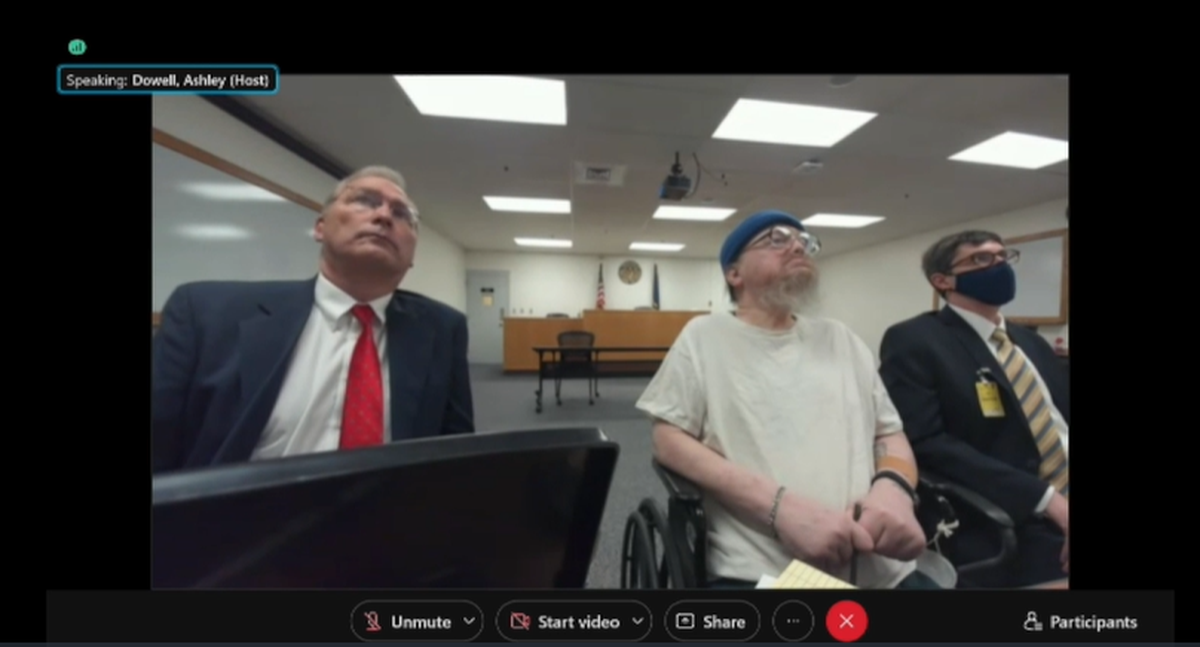
The decision, in turn, restored the parole board’s 4-3 vote in favor of dropping Pizzuto’s sentence to life in prison without the chance of parole. It also prevents the state from seeking a death warrant to execute Pizzuto — another element of Gaskill’s ruling that the attorney general’s office is appealing.
The governor’s office last week issued a statement about the decision, saying Little followed both the Idaho Constitution and state law as they are written. The ruling was just one judge’s opinion, it said.
Emily Callihan, Little’s communications director, in a Thursday email to the Idaho Statesman said the governor’s office worked with the attorney general’s office on filing the appeal.
“The governor’s office continues to evaluate additional steps to ensure the governor’s and state of Idaho’s interests are adequately represented on appeal,” Callihan wrote, citing pending litigation in declining to offer further details.
Pizzuto’s conviction stems from two 1985 murders
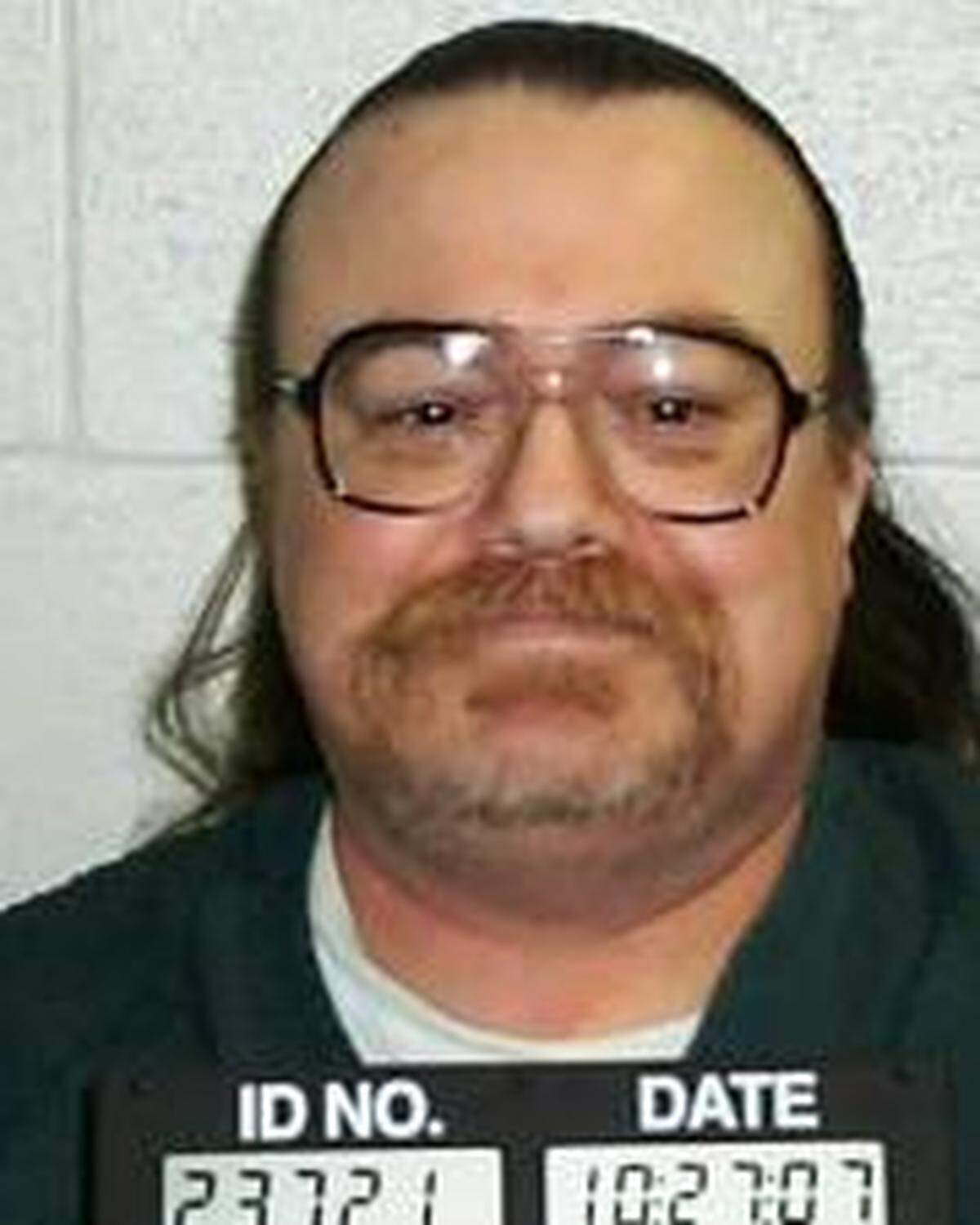
Pizzuto, 66, was convicted of the summer 1985 murders of Berta Herndon and her nephew Del Herndon at a remote Idaho County cabin north of McCall, and sentenced to death. Before that, he previously served nine years in prison for a rape conviction in Michigan, and was later found guilty of two other murders in Washington state after his 1986 conviction in Idaho.
Gaskill took about two weeks to deliver his ruling after a Jan. 20 hearing over the question of the governor’s role in clemency decisions. Gaskill was appointed as a judge in the state’s Second District Court by former Gov. Butch Otter in February 2014. Little was serving as Idaho lieutenant governor at that time.
Pizzuto’s attorneys had hoped Gaskill’s decision would be the end of the process to see their client die naturally in prison, rather than be executed by lethal injection after more than 35 years on Idaho death row.
“The people of Idaho have not given the governor the power to interfere in the commutation process, and as the court found he acted illegally here,” Deborah Czuba, supervising attorney of the nonprofit’s unit that oversees death penalty cases, said in a written statement last week. “We hope the state will now do the right thing and finally allow a dying man to pass away of natural causes in prison, rather than continuing to fight for an unnecessary execution through costly litigation at taxpayer expense.”
A date has yet to be set for the appeal hearing in the Idaho Supreme Court.
This story was originally published February 10, 2022 at 3:18 PM.