How much do city workers make in this Boise suburb? Search our Eagle database
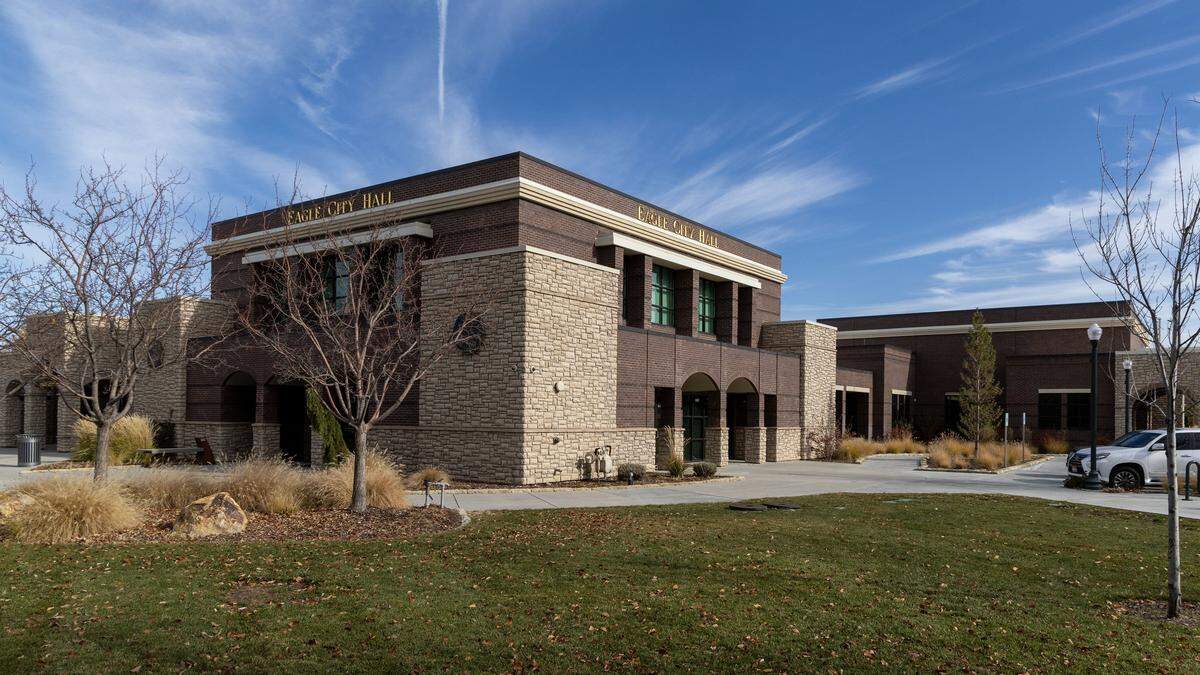
What do elected officials and city employees earn in Boise’s fast-growing neighbor to the northwest?
The Idaho Statesman has compiled the latest data on Eagle employees’ salaries, including in the Mayor’s Office, Planning and Zoning, Public Works and the library.
Eagle’s population surpassed 38,000 people this year, according to the Community Planning Association of Southwest Idaho — nearly double what it was in 2010. As the city has grown, so have home prices. In November, median home prices in Eagle, Ada County’s third-largest city, surpassed $1 million, the Statesman reported.
Payroll data provided by the City Clerk’s Office on Dec. 16 shows that workers’ wages are trending up as well. On average, the city’s 94 employees earn $30.80 per hour, three dollars more than in 2023. That ranges from library employees paid just under $19 an hour to a Planning and Zoning department head earning just over $69 an hour.
The city did not provide data on employees’ annual salaries, but the Statesman was able to calculate annual salaries for the city’s 18 exempt employees by multiplying their hourly rates by 2,080. The average calculated salary for those employees, which mostly include department directors and the mayor, was roughly $103,200.
William Vaughan, the Planning and Zoning head and the city’s highest earner, makes a calculated annual salary of roughly $143,600. Nichoel Baird-Spencer, the director of long-range planning and projects, earns $61.35 an hour, or $127,600 a year.
Mayor Brad Pike makes $44.61 an hour, or a calculated salary of $92,800, making him the city’s 14th-highest earner.

Eagle contracts with the Ada County Sheriff’s Office for its police work, meaning Eagle police officers’ pay will not appear in this database. Similarly, firefighting services in Eagle are operated and funded through a separate taxing entity, the Eagle Fire Protection District, rather than by the city.
Search the pay of Eagle’s city employees in the Statesman’s database below. (If your device doesn’t display the search fields, click here.)
BEHIND THE STORY
MOREWhy did we make this public?
Public employees work for taxpayers. Their salaries and wages are public information.
Idaho state employee pay has been publicly available on various websites, including the Idaho Statesman’s, for years. But there hasn’t always been an easy way to see what Treasure Valley local governments pay their employees.
We believe there is value in opening the curtains to show how governments spend taxpayer money. Not only can that sunshine help prevent and catch fraud, waste and abuse, it lets us see how wages differ between, and within, the many offices of our local governments.
Have an idea for another database? Think we should make more information public? Contact us at newsroom@idahostatesman.com or tips@idahostatesman.com.
How did we get the data?
We requested payroll and overtime data from local governments in December 2025.
What’s the fine print?
First, this is a snapshot in time. Employees are hired, fired, promoted and given raises every day.
Second, employees aren’t all paid the same way. For the most part, you can figure out an employee’s annual pay by multiplying their hourly rate by 2,080. But that’s not always true. Some employees are part-time. Some, like council members, are paid a set amount. Others, especially emergency first responders like firefighters and police officers, can work nontraditional hours and/or get overtime. Their annual pay may be higher — in some cases much higher — than their hourly rate would suggest.
Finally, the “hire date” isn’t necessarily the date that person first joined the ranks of public servants. Some employees are seasonal, temporary or took other jobs between stints working for the city or county.