This historic Eagle home still stands, but its future is unclear. Take a look
AI-generated summary reviewed by our newsroom.
- City of Eagle weighs five possibilities to give the Orville Jackson House a new life
- Early survey results favor $4.3M plan for park, event space, maybe public access to home
- City Council to review top alternatives amid ongoing public input this August
Figuring out what to do with the iconic Orville Jackson House in downtown Eagle is becoming a history of its own.
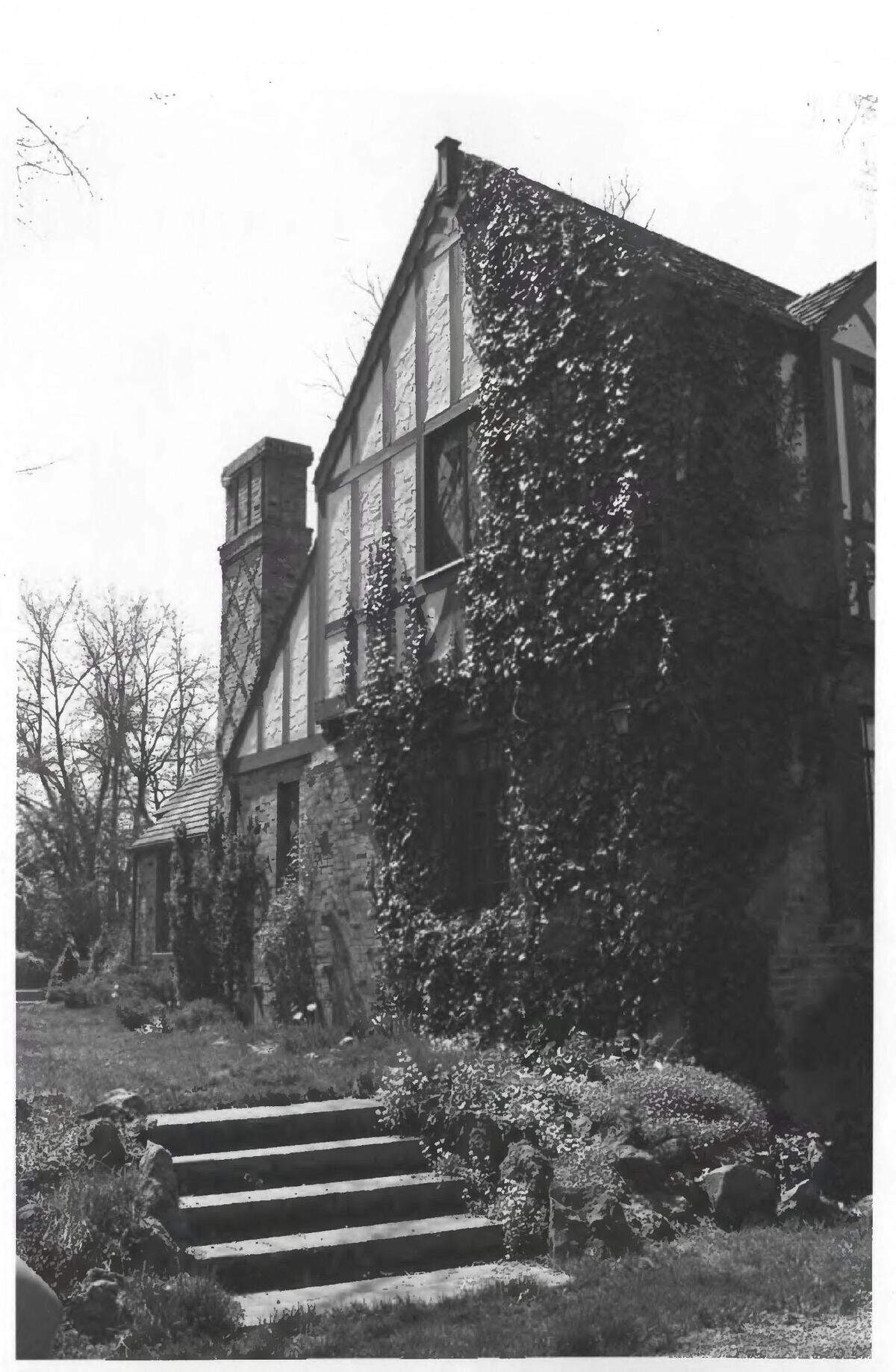
The landmark English Tudor-style cottage off bustling Eagle Road, designed by the architects behind the Idaho Statehouse, has been a focus for preservation-minded residents for years. The city bought the property in 2021 for $2 million with a deed restriction preventing the more-than-90-year-old home from ever being demolished. But that was only after years of negotiations with Jackson’s daughter, Shari Sharp, and sometimes heated debate among city officials.
Now, four years later, officials say the process of determining the future of the revered home is still just “beginning” — though a recent survey shows a public favorite for the property so far.
Here’s what we know about what could become of the home, what still needs to happen for the city to turn its visions into reality — and how you could be involved in that process.
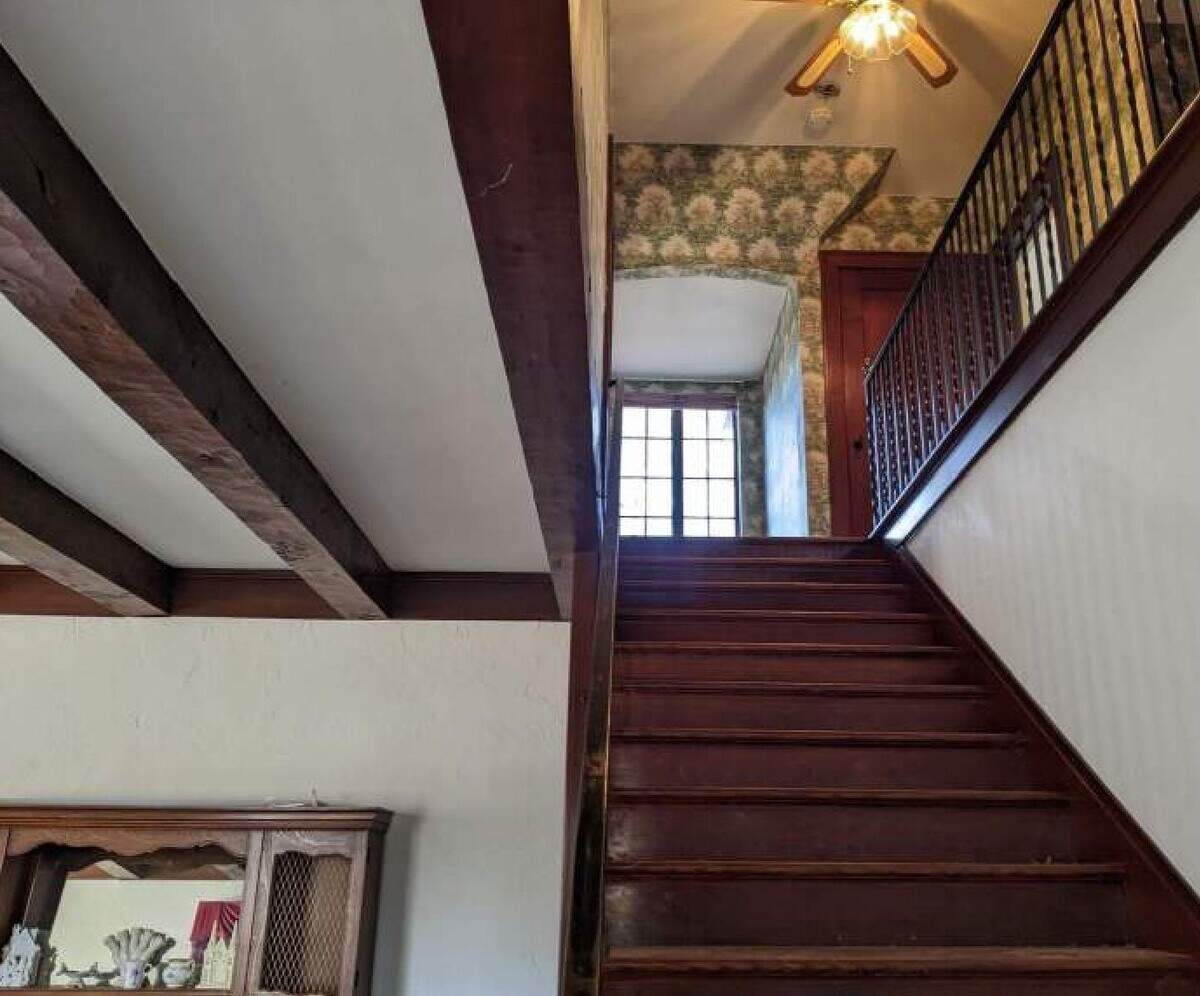
Along the way, photographs taken by the Idaho Statesman, pulled from public records and unearthed from the city’s historical archives, provide a closer look at the home, its history and what it would take to open it to the public.
Eagle explores 5 options for historic home preservation
In June, Eagle released the results of its “adaptive reuse study,” conducted by Meridian-based J-U-B Engineers, into the feasibility of different options for the home and property. The study came roughly a year after the city contracted Boise’s Trout Architects to assess the home’s structural or safety needs. Trout in 2024 found problems such as exposed wiring and asbestos, and it gave a preliminary estimate of $465,600 as the cost of upgrades needed.
“The house is unfortunately in significant disrepair,” Nichoel Baird-Spencer, the city’s director of long-range planning, told the Idaho Statesman.
Baird-Spencer noted that it was built during the Great Depression. “The city has been doing work on the house gradually, as we could,” including replacing the roof, she said.
After reviewing the home this year, J-U-B consolidated the findings into five alternatives, presented to the public on June 11 at City Hall.
“The house is not being torn down,” Baird-Spencer said then, as dozens of residents and nearby business owners browsed plans for the property and offered feedback. “The view you see from Eagle Road is being preserved in every single scenario. The question before the city at this point in time is: What do we do with the rest of it?”
Interested locals had a week from the meeting to respond to a city survey on the five options. According to survey results provided by a city spokesperson, nearly 600 people weighed in.
An early front-runner
The most popular alternative was for the city to maintain ownership, turn the grounds into a public park, and lease the home for residential, office or commercial uses, with the eventual goal of possibly making the home publicly accessible.
One of the most expensive alternatives, requiring the most maintenance by the city, this alternative would be carried out over two phases, with a total estimated cost north of $4.3 million.
The first phase would involve building the park and renovating the house, including electrical upgrades, sewer replacements, and asbestos and lead abatement. Those renovations are estimated at $364,500, according to plans, with the asterisk that “The cost for the City to perform house upgrades is not known or currently budgeted.” Baird-Spencer explained that that’s because the number could change if, for example, the city discovers more problems once it starts repairs.
“With these historic houses, you open them up a little bit” and there can be surprises, Baird-Spencer said.
In a second phase, estimated at $3.2 million, the city would do more work on the park, including constructing a public restroom and two-story parking structure with 65 spots. Plans show a possible amphitheater, pavilion, bike repair station, and outdoor event spaces that could be reserved.
When asked to rank the alternatives, 56% of respondents marked this one as their favorite.
The second-most popular option by that ranking was for the city to lease the home for residential, office or commercial uses for two to three years and, in that time, possibly sell land along the property’s west side for commercial uses. Plans show two potential commercial lots at 10,500 square feet and 12,500 square feet. During that period, the city could also pave a parking lot next to the home. After the three years are up, the city would reevaluate what it wants to do with the remaining property and home.
This option could cost the city $1.1 million without a parking lot or commercial lots — or $5.3 million with, but plans note the city would recoup some of that money by selling the commercial land.
Other options are:
- Selling the house for private use and hanging onto land to its west for a parking lot and potential commercial sale
- Having a private owner redevelop the site into a “mixed-use project that would adapt the house for residential or commercial use”
- Selling the entire property
In all the options, the city would work to connect Olde Park Place to Aikens Street, which is fully funded in the city’s capital plan, in concert with the Eagle Urban Renewal Agency, Baird-Spencer said. Olde Park and Aikens run adjacent to the property on its east and west sides, and connecting them along the south would help improve downtown access, she said.
City spokesperson Laura Williams emphasized in an email to the Statesman that the ranking was only one question on the survey. Others asked respondents to weigh in on what they “loved,” “liked,” or “disliked” about each alternative.
A plan to breathe ‘life’ into the old home
Alana Dunn, director of the Eagle Historical Museum, told the Statesman that she wants to see the home used, whether by the public or a private entity.
“I don’t want to see it sit,” Dunn said. “I think that old houses in general just really need to keep the life breathed into them to carry on for the generations.
“As one of the most iconic buildings ... in the Treasure Valley, it just needs to be preserved for the community, the overall history of it,” she said. “Orville Jackson himself was such a commodity, such a father of Eagle.”
Jackson ran Eagle’s historic drug store and mercantile from 1922 until 1974 and was known for his generosity to customers, especially during the Great Depression after Eagle’s only bank closed in 1932.
“As an entrepreneur, as a businessman, he was selfless,” Dunn said. “Preserving his house because of his legacy is huge.”
Dunn said the home is also the “lone design of Tudoresque architecture” in Eagle. She said, “You can’t find a finer example” of the style in the region.
Sharp too has long advocated that her parents Orville and Floy’s heritage should carry on in the city, such as through a community center, which was also former Eagle Mayor Jason Pierce’s stated intention for the home.
“This home deserves to live,” Sharp told the Statesman in 2017. “It meant the world to them.”
After selling the property to the city in 2021, Sharp continued to live in the home, paying $3,000 a month in rent, until the city nearly evicted her in 2023, according to BoiseDev reporting and an email from her daughter, Melissa Sharp, to the Statesman in February 2023.
The Statesman attempted to reach Melissa Sharp by email for this story but did not receive a response.
What now?
Based on public feedback and the survey that closed June 17, Baird-Spencer said, the top three alternatives are expected to be presented to the City Council for consideration.
Williams told the Statesman by email that the “City Council may choose other alternatives or change things and get more public input” at a meeting likely in August. Members of the public can weigh in before or during that meeting.
“Keep in mind that this is still the beginning of the process,” she said.
This story was originally published June 29, 2025 at 4:00 AM.