A new scourge is terrorizing Eagle: rats. Why? And will they come to your house soon?
There is a new pest in the Treasure Valley: rats.
You wouldn’t think the little varmints would want to come to a place named Eagle, a city named for a bird that eats them for lunch. But alas, they’ve come in hordes. And they could soon take on the entire Treasure Valley.
Social media sites have blown up over the past few months with Eagle residents finding unexpectedly large rats popping up in their homes, lawns and garages.
“This is a HUGE problem and there could be serious consequences,” wrote one Facebook poster.
“The city needs to pay attention. The water company needs to pay attention. The canal company needs to pay attention,” wrote another. “This could become Hamlin from the (pied piper) fairy tale.”
Many said this is the first year they’ve noticed rats. Some have recently caught one every other day.
Jake Perkes, the owner of Eagle’s Sawtooth Pest Control, has worked in pest control in the Boise area for around 15 years and had never received a call for rats until last year, when he got a couple. This year, he’s had maybe 40 to 60 calls.
“It’s really bad this season,” Perkes told the Idaho Statesman by phone. “We had a handful of calls last year and a ton this year.”
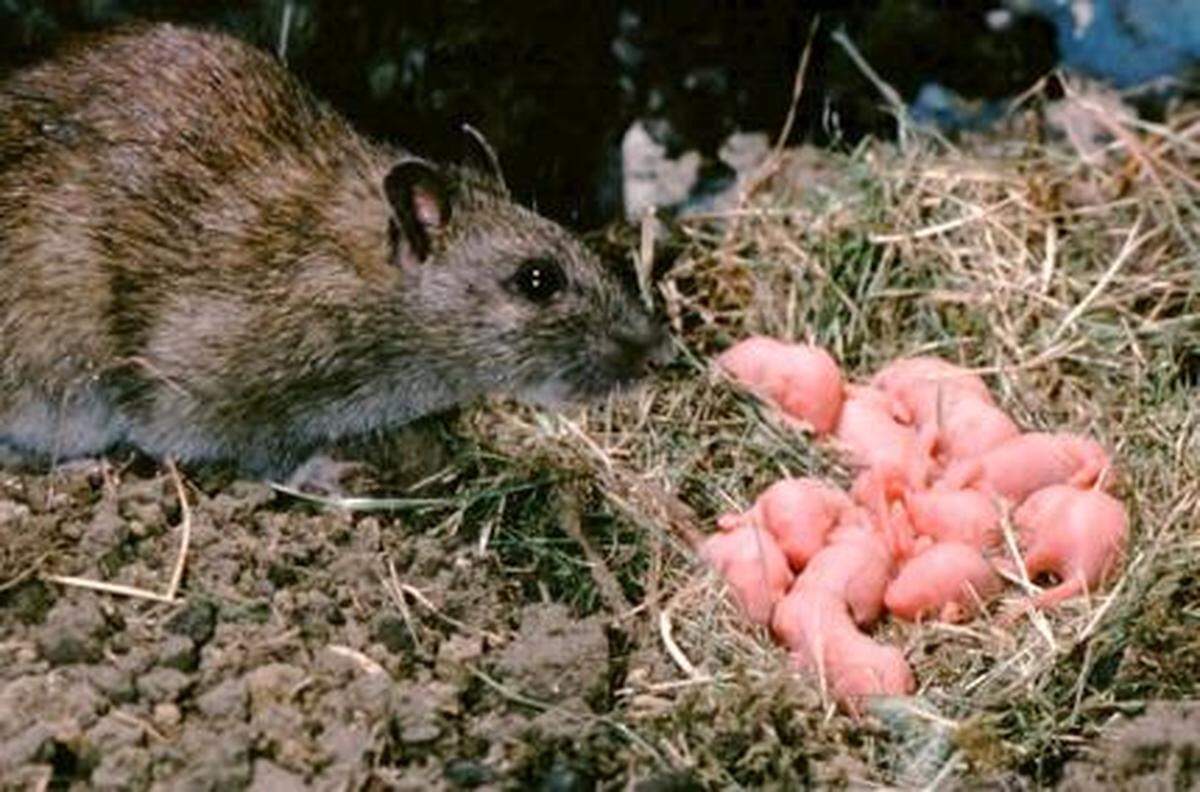
The rats are not pet rats, Perkes said. They’re large, invasive Norway (or brown) rats more common in large cities like New York.
Norway rats average about 16 inches in length, including their tails, and weigh from about half a pound to a pound, according to the Smithsonian’s National Zoo & Conservation Biology Institute.
They were native to the forested or brushy areas of northern China, but they have spread to every continent and prefer to live “alongside the rapid expansion of the human population,” according to Animal Diversity Web. The rats were brought to the New World in the 1770s as stowaways on ships.
“They occupy a variety of habitats including garbage dumps, sewers, open fields and woodlands, basements and nearly anywhere else that food and shelter might be found,” according to Animal Diversity Web.
In January 2013, one person submitted observations of Norway rats to the Idaho Department of Fish and Game in North Idaho near Coeur d’Alene and in the Lewiston area that they’d seen in the 1930s and 1940s. Since then, people have reported to Fish and Game one sighting in 2021, one in 2022, three in 2023 and one in 2024. Two of those were in North Idaho, three in the Eagle area and one north of Parma.
“We’ve caught dozens and dozens and dozens of them,” Perkes said. “I’d assume next year would be very similar or more.”
Perkes said other pest control companies are getting calls for rats in Eagle, too, and his suppliers are stocking up on equipment to deal with them.
“We’ve never had a problem like this before,” he said.
Dana Biberston, spokesperson for the city of Eagle, said the city had received some recent calls and emails about rats.
“The city does not have any city-sponsored program to terminate rats,” Biberston said by text. “Persons affected by rats could contact the Idaho Humane Society for their feral (and spayed) cat program or hire a local pest company.”
1 rat can give birth to 56 pups a year
Though birds of prey like eagles normally feed on mice and rats, the rodents have found a safe space in a city named after their predators.
When Perkes first started getting calls for rats, they were all within a small radius near downtown Eagle. The calls have spread to an area as far east as Idaho 55, as far west as Ballantyne Road, as far north as Floating Feather Road, and as far south as State Street.
“It’s only been within a certain area of Eagle,” Perkes said. “I haven’t had a single call outside of Eagle.”
But Perkes said it’s only a matter of time before they spread throughout the rest of the Treasure Valley.
Rats reproduce fast, Perkes said, with two rats turning into eight within a month. According to the Smithsonian, female Norway rats can have seven litters a year with an average of eight pups per litter — or about 56 newborn rats per year.
“Once they’re here, they’re potentially here to stay,” Perkes said. “I would assume we’re going to be dealing with rats indefinitely.”
New residents come ‘from places where rats are common’
Norway rats had to have been transported here somehow, Perkes said.
Perkes said he and other people in pest control speculate that the rats arrived from shipping containers as new residents moved to the Boise area.
One of Perkes’ suppliers hypothesized that rats snuck into the shipping containers that people often use to move their possessions to other states. The containers are large and often sit on the street for a week or more as people pack their stuff into them.

Perkes said he didn’t want people to think he was anti-growth or anti-California, but “If you look where people are moving from, they’re all moving from places where rats are really common,” he said. He has an office in Washington state and said rats are a common problem there and in other coastal areas.
The top five states people are moving to Idaho from are California, Washington, Oregon, Utah and Arizona, according to U.S. Census Bureau data.
Eagle, in particular, has seen an influx of migration from California that helped earn it the nickname “Little Orange County.” Half of the Eagle City Council’s members are from California. The mayor, Brad Pike, and his predecessor, Jason Pierce, moved to Eagle from the Golden State.
According to Orkin, a national pest control company, Los Angeles ranked second in the most rodent treatments performed in the country from Sept. 1, 2022, to Aug. 31, 2023, after Chicago and ahead of New York. San Francisco came in fifth, Seattle 12th, Portland 26th, San Diego 28th, Sacramento 33rd and Phoenix 40th.
Perkes said it probably wasn’t just one person who accidentally brought them; it probably happened multiple times, or the culprit could have been a shipping company.
How do I keep rats out of my home?
Rats can enter your home through a silver-dollar-sized opening, Perkes said, so the best prevention strategy is to seal any areas where they can get inside such as crawl space vents or where heating, ventilation and air conditioning come in.
The biggest draw will be any food or water source, so make sure to bring dog or cat food inside, he said.
“Small crumbs and garbage are popular sources of infestation, as are dry goods such as grains and cereals,” according to Orkin. “These should be kept in sealed metal or glass containers to prevent contamination. Fruits and vegetables should also be stored properly, and resulting waste should never be left in sinks or on counters.”
If rats get into your home, there are traps you can place yourself, and extermination companies that can take care of the problem for you.
This story was originally published October 23, 2024 at 4:00 AM.