What are signs of heatstroke? When should I go to the ER? Your questions answered
Temperatures in the Boise area have reached dangerous extremes.
After triple-digit temperatures prompted the National Weather Service to issue a heat advisory, Boise will continue to bake.
Highs were expected to hover in the 90s all week, according to the weather service’s current seven-day forecast for Boise.
“Hot temperatures may cause heat illnesses, especially for the young, elderly and animals,” the National Weather Service said in the advisory. “Drink plenty of fluids, stay in an air-conditioned room, stay out of the sun and check up on relatives and neighbors.”
Here’s what to watch out for:
How long will heat advisory last for Boise?
According to the National Weather Service, the heat advisory will remain in effect across Treasure Valley from 2 to 9 p.m. on Monday, July 13.
Cities impacted by the advisory include Boise, Caldwell and Nampa.
Nyssa and Ontario in eastern Oregon will also be affected.
“Temperatures up to 101 (are) expected,” the weather service said.

How can hot weather impact my health?
When hot weather starts to raise your body temperature, you may experience illnesses including heatstroke, heat stresses or heat exhaustion, according to the U.S. Centers for Disease Control and Prevention.
“To keep you and those around you safe during an extreme heat event, it is crucial to be aware of the signs of heat-related illnesses and appropriate action,” the Idaho Office of Emergency Management said on its website.
“Vulnerable populations such as older adults, infants, children, and individuals with pre-existing health conditions face the highest risks during such events,” the state agency added.
What are signs of heatstroke?
Heatstroke is the most serious and quick-acting illness related to dangerously hot temperatures, according to the Idaho Department of Health and Welfare.
“Heat exhaustion may come first, with signs like fatigue, muscle cramps, nausea and clammy skin,” the state health agency said. “Resting in a cool place, drinking water, and using cold cloths can help.”
According to state health officials, symptoms of heat stroke include:
- High body temperatures and hot skin
- Confusion and dizziness
- Flushed skin
- Fainting
When should I call the doctor? Go to the ER?
Heatstroke is a “medical emergency — call 911,” the Idaho Department of Health and Welfare said.
You should also move the person experiencing signs of heatstroke to a “cooler place and cool them with wet cloths or a cold bath,” the state agency said.
“Heatstroke can cause permanent disability or death if the person does not receive emergency treatment,” the CDC said.

How can I avoid heat exhaustion?
“Wear lightweight, light-colored, and loose-fitting clothing, avoid overexerting yourself outdoors and take breaks in the shade or air conditioning,” Your Health Idaho, the Gem State health insurance marketplace, said on its website.
According to the insurance marketplace, symptoms of heat exhaustion include:
- Heavy sweating and cold, clammy skin
- A rapid, weak pulse
- Nauseas and vomiting
- Muscle cramps
- Fatigue
- Dizziness
- Headache
- Fainting
“Seek medical help if symptoms get worse or last longer than one hour,” Your Health Idaho said.
What do muscle cramps and fatigue mean?
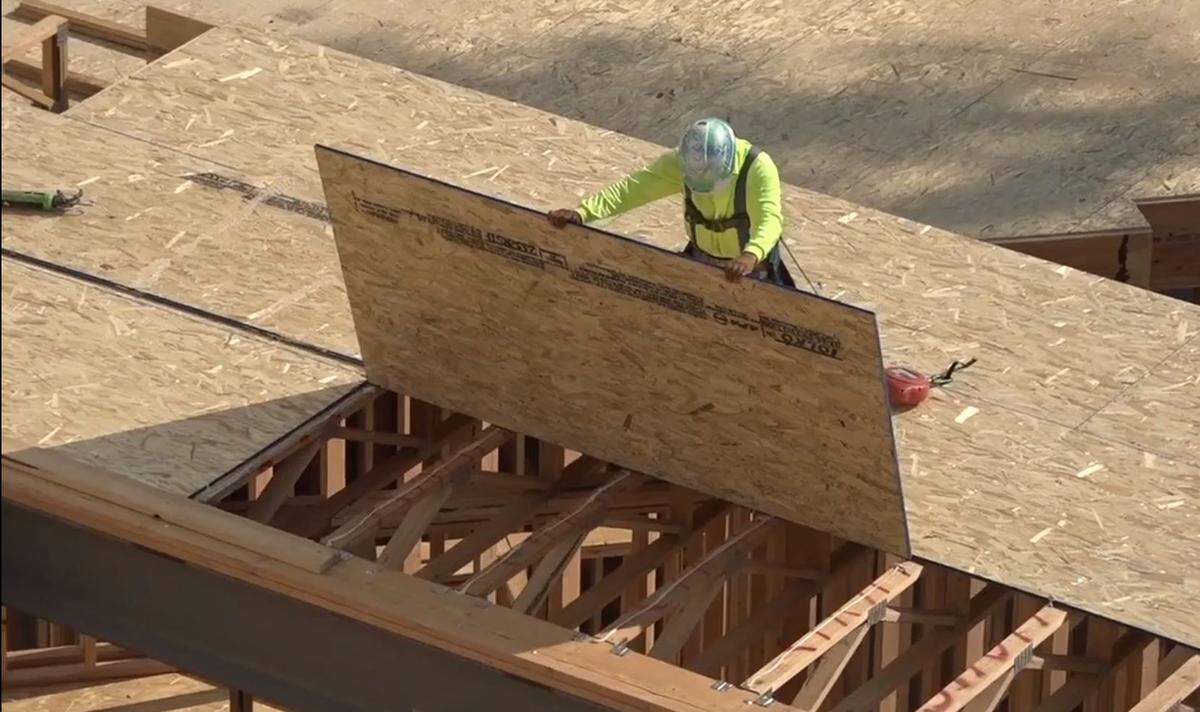
Working outside in the blistering sun can also lead to rhabdomyolysis, according to the CDC.
Workers or others participating in strenuous activities in the summer sun should “seek immediate care at the nearest medical facility” if symptoms of rhabdo show, the CDC said.
“Rhabdo causes the rapid breakdown, rupture and death of muscle,” the CDC said.
As muscles decay they release electrolytes and proteins into your blood that “can cause irregular heart rhythms, seizures and damage to the kidneys,” the federal agency said.
Symptoms of rhabdo include muscle cramps, pain or intense fatigue and weakness, according to the CDC.
Dark urine that is “tea or cola-colored” may also be an indicator of rhabdo.
The only way to be completely sure of a rhabdo diagnosis is by getting tested by a healthcare provider, according to the CDC.
If any symptoms show, take a break, hydrate and seek medical attention immediately.
What’s the best way to protect myself in summer?
Protection from ultraviolet radiation is a must for Idaho residents.
“In the Gem State, there is an increased risk of developing skin cancer because of our outdoor lifestyle, higher elevation and sunburn frequency due to distinct seasons,” Your Health Idaho said.
Lather up in a broad-spectrum sunscreen of SPF 30 or higher before you head outside and consider keeping your skin covered with lightweight materials.
“The best protection from the sun and heat is repeated application of broad-spectrum sunscreens, protective clothing, sunglasses, and hats,” Your Health Idaho said.
Wildfire season also poses considerable threat to health in affected areas.
“Wildfire smoke can cause coughing, trouble breathing, wheezing, asthma attacks, stinging eyes, a scratchy throat, a runny nose, chest pain and headaches,” Your Health Idaho said.
The U.S. Environmental Protection Agency’s Air Quality Index keeps residents up to date on the hazard level of air quality.
“To protect yourself, limit exposure by staying indoors with windows closed, running an air purifier, and checking the AQI before heading outside,” the insurance marketplace said.