This homeless shelter faced legal battles. What Boise just did
AI-generated summary reviewed by our newsroom.
- Boise City Council approved Interfaith Sanctuary’s State Street shelter 5 to 1.
- The proposed shelter has drawn controversy and legal battles
- Shelter will offer daytime access and a waitlist system.
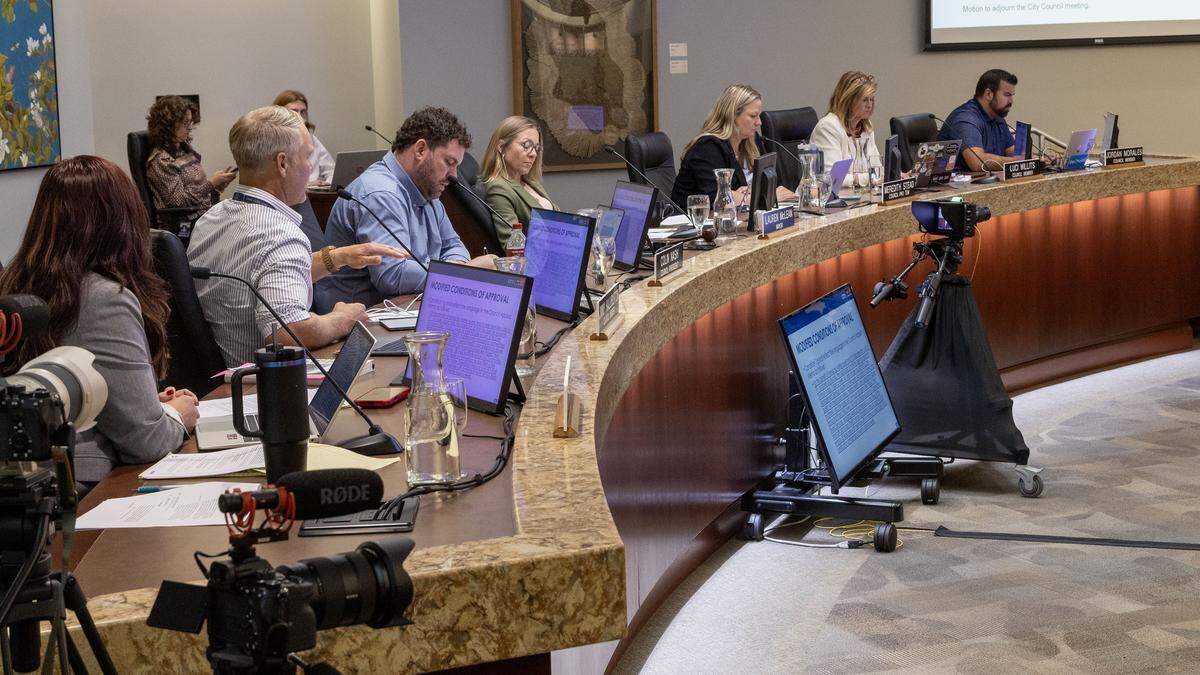
The Boise City Council voted 5 to 1 late Tuesday night to let Interfaith Sanctuary move into a new shelter home location on State Street.
The council upheld the Planning and Zoning Commission’s unanimous approval in July of Interfaith’s conditional use permit, after years of tense public hearings and legal battles. Council Member Luci Willits, who voted against the project in 2022, was the lone vote against.
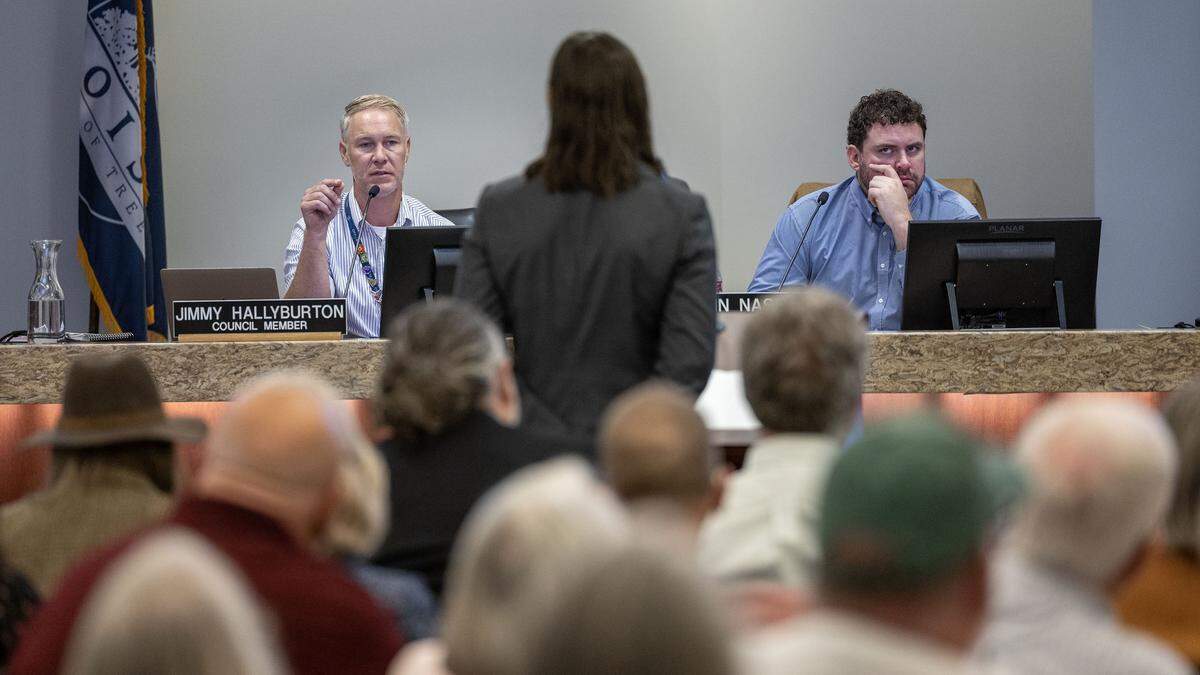
“It’s not just about a land-use permit,” said Meredith Stead, who voted for the project in 2022 when she was on the Planning and Zoning Commission. “It’s also about people, neighbors, who need stability, compassion and a chance to move forward.”
Tuesday’s meeting went for almost 10 hours and often deep into the weeds, but the top issues were whether the city could cap the number of people at the shelter below fire-code limits and whether people should be able to pick up food or services at the shelter if they’re not overnight guests. The shelter has proposed 205 beds.
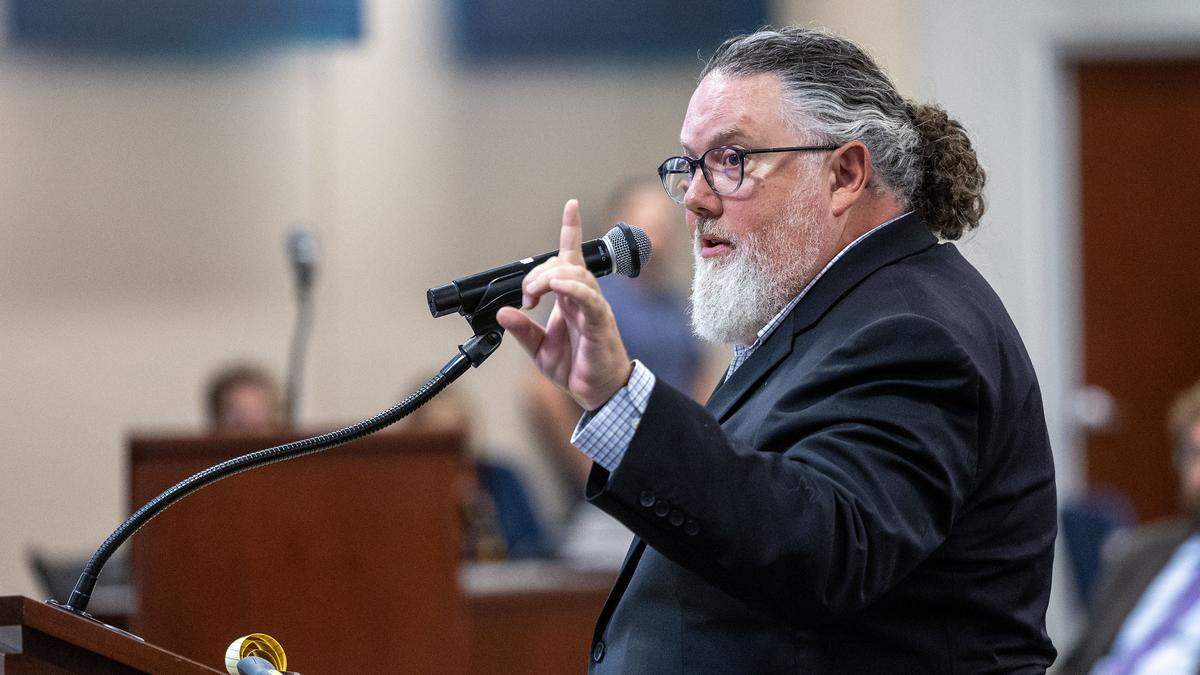
Geoffrey Wardle, Interfaith Sanctuary’s lawyer, said that an arbitrary limit on shelter occupancy would violate the Fair Housing Act. Interfaith Sanctuary Executive Director Jodi Peterson-Stigers said that she’d want the space for the building to be a warming shelter during cold periods. The two said they want the flexibility to welcome people in who don’t know about the waitlist and show up in crisis after all 205 beds are already filled.
This shelter would operate differently from the shelter on River Street; for example, it would allow people to stay during the day, according to Peterson-Stigers. At the current shelter, people line up out back, get on a waitlist and potentially get a bed at 8 p.m., but that won’t happen at the proposed shelter, Peterson-Stigers said by text. People will need to get onto the waitlist and will be contacted if there’s a bed available.
“Please help us move into this new shelter home,” Peterson-Stigers told the council on Tuesday. “So that together, we can show what is possible when our guests and staff do the hard work of healing and rebuilding in a space that cares for, supports and empowers them.”
But Katy Decker, president of the Veterans Park Neighborhood Association, said she didn’t want the shelter to be allowed to bring extra people in on cold days, because there shouldn’t be any room for overflow. A hard limit at 202 beds would help limit impacts to the surrounding homes, she said. If people can pick up food when they’re not guests, that would make her neighborhood a hub for Boise’s homelessness, she said.
”Operating a shelter is not a right,” Decker said.
The maximum allowed number of permanent beds is 231 under the fire code, according to a city presentation.
The council ultimately voted to not cap the number of beds below those allowed by the fire code. It also directed Interfaith to work with the Ada County Highway District on pedestrian improvements and to require regular meetings with the shelter, the police and neighborhood stakeholders. There is no condition about whether only registered guests can get food or services, Stead told the Statesman by text.
Interfaith Sanctuary first submitted an application to move from its River Street location to a former Salvation Army location on State Street in April 2021 after buying the property. After neighborhood opposition, Mayor Lauren McLean paused the process in June 2021 to evaluate potential locations.
Boise’s Planning and Zoning Commission denied a conditional use permit in January 2022, but the shelter appealed the decision. In April 2022, the City Council gave Interfaith the green light, albeit with 30 conditions. The Veterans Park Neighborhood Association, which opposed the shelter, sued the city in July 2022 to overturn the council’s decision.
In April 2023, Interfaith broke ground on its new shelter.
In June 2023, Ada County District Judge Cynthia Yee-Wallace denied the Veterans Park Neighborhood Association’s lawsuit, saying it hadn’t shown that people would be harmed by Interfaith. Yee-Wallace said that if the neighborhood’s arguments were true, “you could never operate a homeless shelter in the city.”
Undeterred, the neighbors took their fight to the Idaho Supreme Court, which ruled in January that Boise’s own city code doesn’t let the council overturn Planning and Zoning Commission decisions unless the commission made a mistake. That took the City Council and planning commissioners by surprise, according to previous Statesman reporting.
In response, the council changed the code to allow itself the ability to hear appeals of planning decisions.
Interfaith and the Veterans Park Neighborhood Association went to mediation on Aug. 5, but the parties did not come to an agreement, according to the city presentation Tuesday.
The Interfaith Sanctuary project has been polarizing — city staff received 199 comments, of which 102 were against, 95 were in favor and two were neutral, according to the presentation during Tuesday’s meeting.
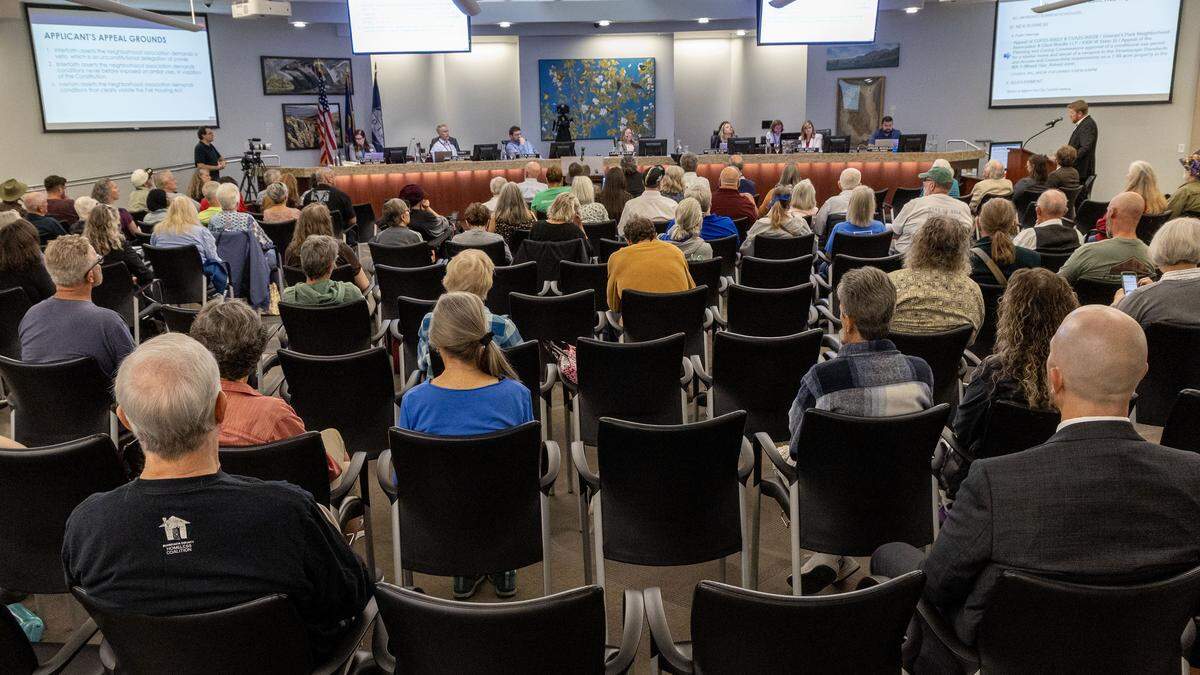
Opponents on Tuesday said the new shelter would harm the residents and change the existing character of the neighborhood. They pointed to police calls for service at Interfaith’s current building and worried that people with mental health issues or who were addicted to drugs would come into their streets.
“It will have impacts on the quality of life, the security and the economics of the neighborhood,” said Tim McNeil, who told the council he has lived in his neighborhood for three decades. “We want to have it all. We want to provide help and security, but not at the expense of the people that were there already. We can’t do that.”
Interfaith’s supporters on Tuesday, including some of its original founders, pointed to the shelter’s impact on homeless people through its programming and support. Some said there was a moral obligation to support those who are suffering and that those who are homeless are hard-working, ambitious people. Wardle, the shelter lawyer, said that the City Council couldn’t arbitrarily place special conditions on Interfaith.
“We all have our reasons for ending up homeless. Interfaith took us in when no one else would,” Gerri Graves said during Tuesday’s meeting. “It’s not hyperbole. Our city needs Interfaith.”
Boise’s most recent Point-in-Time count, an annual tally of homelessness, showed 772 homeless people, down from 789 the year before.
New Idaho law bans public camping
Idaho’s housing prices have skyrocketed in recent years, stretching the budgets of locals and helping contribute to the area’s increase in homelessness.
But even before that, the city of Boise has been trying to determine how to deal with homelessness. In 2009, six homeless Boiseans sued after they were cited by Boise police for sleeping outside despite having nowhere to go.
The 9th U.S. Circuit Court of Appeals ruled in 2018 that people need to sleep, so if they can’t sleep inside, then they can’t be punished for having no choice in the matter. The U.S. Supreme Court ultimately left that decision in place after declining to hear the case in 2019.
Later, both an Oregon district court and a 9th Circuit appellate court said, in Grants Pass v. Johnson, that cities could not fine people for camping outside, again if they had nowhere else to go. The city of Grants Pass, Oregon, had punished people for using camping paraphernalia like blankets or pillows while sleeping outside.
But that ruling was overturned in 2024 by the U.S. Supreme Court. During its 2025 session, the Idaho Legislature embraced that ethos, according to Wardle, Interfaith’s lawyer. Sen. Codi Galloway, R-Boise, sponsored a new law, against Boise’s wishes, that bans public camping in large cities. Galloway indicated to the Statesman recently that more legislation could be forthcoming.
This story was originally published September 30, 2025 at 11:52 PM.