A protester was charged twice in Boise in one day. Here’s why she came out on top
AI-generated summary reviewed by our newsroom.
- Two judges dismissed protest charges against a Boise protester.
- Legal experts criticized police actions, citing First Amendment protections.
- Dismissed charges raised broader concerns about protest rights and free speech.
For one local protester, facing charges because of the Fourth of July has become kind of a pattern. But some lawyers say it’s a pattern that shows concerning behavior from police.
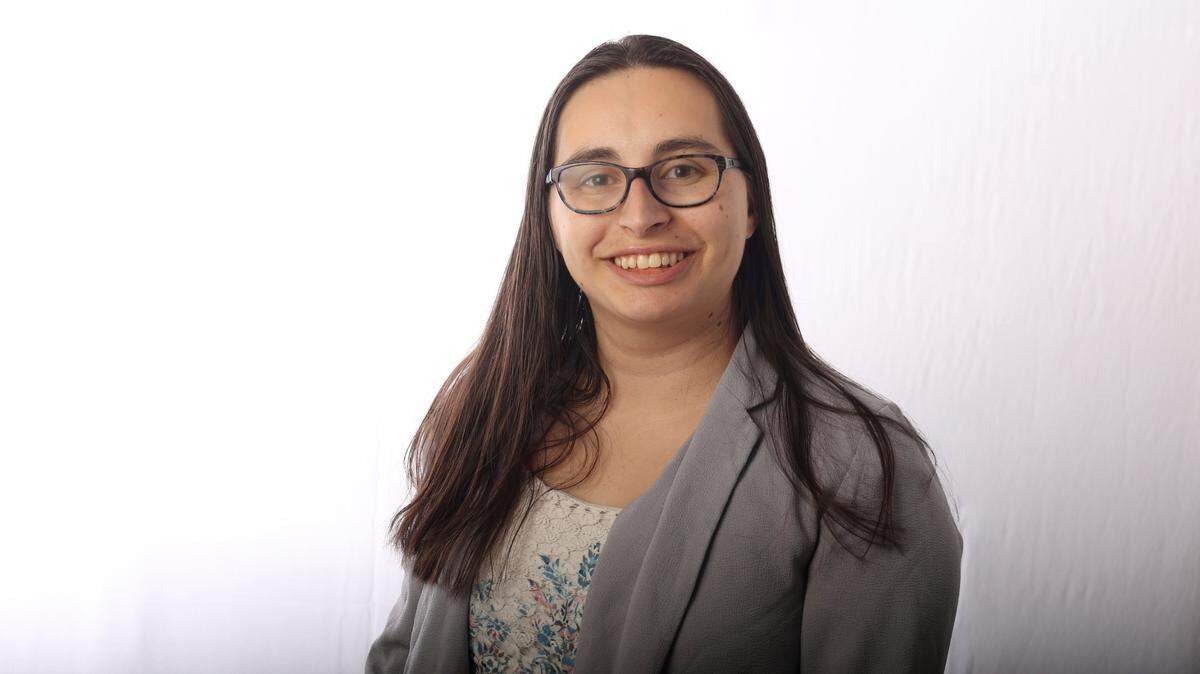
Crystal Grosenbach, 39, was arrested once this year and twice in the span of hours on the Fourth of July in 2024.
Both of the 2024 arrests were centered around pro-Palestine language. In the first, a man complained about Grosenbach’s chants during a parade. In the second, Grosenbach argued with a Jewish man downtown.
Ultimately, two judges dismissed all the 2024 charges against Grosenbach. The judge in the firstcase raised concerns about whether Grosenbach’s constitutional rights were violated.
“These cases show the First Amendment has real teeth and courts will enforce it. That’s huge,” said Aaron Terr, director of public advocacy with the Foundation for Individual Rights and Expression, a Pennsylvania-based free speech nonprofit. “Protesters who are clearly exercising their First Amendment rights shouldn’t have to defend themselves in court in the first place.”
The cases raise “serious” questions about police suppressing political speech, Terr said by phone. Prosecutors should have known the First Amendment was a barrier, he said.
Three local lawyers echoed Terr, saying they’ve seen a pattern of police cracking down on protesters in general, including pro-Palestine speech and protests.
Idaho State Police spokesperson Aaron Snell said he was looking into the Statesman’s inquiry when reached for comment about the judge’s and lawyers concerns.
“The Idaho State Police’s role during public demonstrations is to ensure the safety of everyone involved while they express their opinion,” Snell said by email Monday, when he replied after publication of this story. “We remain committed to engaging professionally and respectfully with all members of the public, including those who choose to exercise their First Amendment rights through protest.”
Boise Police spokesperson Haley Williams said, “As always, we respect the court’s decision in its resolution.”
A spokesperson with the Ada County Prosecutor’s Office said that in the parade case, a judge initially determined there was probable cause for Grosenbach’s arrest on suspicion of disturbing the peace and obstructing and delaying an officer.“Another judge later dismissed the case based on legal arguments,” the spokesperson said by email.
Grosenbach’s cases began amid a period of increased tensions worldwide surrounding the Israel-Hamas war. Thorny questions have surrounded the two Middle Eastern nations for decades. But those pressures skyrocketed after Hamas surprise-attacked Israel on Oct. 7, 2023, killing 1,200. Israel responded with massive military force, killing at least 55,000 people, according to Gaza health officials.
In 2024, over 3,000 people were arrested or detained on college campuses because of pro-Palestine protests, according to The New York Times. But many of those charges were dropped afterward, The Times reported.
Grosenbach, of Boise, said she got involved in activism in the aftermath of the Oct. 7 attack in Israel. She became part of the People’s Liberated University, the name for the 24/7 protest last year at the Capitol Annex, just east of the Capitol and kitty corner from Cecil Andrus Park. She said her arrest was “an egregious infringement on my First Amendment rights to free speech and to protest.”
“Unfortunately, I am not unique in being targeted and silenced in this way,” Grosenbach said by phone. “We will continue speaking out for Palestinian liberation and for the liberation of all of humanity.”
The Fourth of July
The first incident occurred when Grosenbach was at the Capitol Annex in 2024 with other protesters, according to court documents. During the Boise Fourth of July Parade that morning, Grosenbach held up a megaphone to chant that the U.S. government was supporting genocide.
“I was chanting ‘United States, you can’t hide, you’re committing genocide,’” Grosenbach said, recalling the day. “Stop the bombing, stop the slaughter, Gaza has no food or water.”
A man attending the parade thought what Grosenbach was saying wasn’t suitable or “morally right,” for kids to hear, according to the judge’s dismissal order.
The man complained to Idaho State Police Sgt. Kenny Walker about the volume and what was said. Officers then warned Grosenbach of potential citations for disturbing the peace.
Walker and a Boise police corporal saw Grosenbach continue to chant but didn’t do anything until the man complained again, according to the state’s legal brief opposing dismissal. Grosenbach stopped for about 15 minutes, the brief said. Then she started chanting with the megaphone again.
Walker approached, took the megaphone and asked for Grosenbach’s identification. Grosenbach gave the name “Free Palestine” and was arrested and later charged with misdemeanor resisting or obstructing officers and disturbing the peace.
Ada County Magistrate Judge Abraham Wingrove said the man who complained was only annoyed by the content of Grosenbach’s speech and that the parade was just as loud, if not louder, than Grosenbach. Plus, Wingrove wrote, although Grosenbach did not identify herself to police, neither side said that she legally had to identify herself.
“While this court had some concern that Ms. Grosenbach’s constitutional rights were violated after reviewing the probable cause affidavit, those concerns were only elevated after receiving additional evidence,” Wingrove wrote. “The Court finds that Lieutenant Walker’s enforcement action was not a reasonable time, place, and manner restriction on political speech.”
The second incident occurred that July 4 evening. Grosenbach and another protester were on 8th Street downtown protesting again after posting bond in the first case. The two were chanting phrases like “Free Palestine,” “You’re killing babies,” “America will fall,” and “Israel will fall,” according to previous Statesman reporting.
A Jewish man out to dinner on a restaurant patio, who waswearing traditional clothing such as a kippah and tzitzit, made eye contact with them, stood up and told them to leave. They did, but they quickly returned and argued with him. The other protester allegedly hit him in the face with a phone.
Police arrived and arrested the two, and they were booked into the Ada County Jail. They were later charged with malicious harassment, Idaho’s hate-crime law, a felony.
Magistrate Judge David Manweiler dismissed the charge against Grosenbach in August, saying police lacked probable cause to make the arrest, according to previous Statesman reporting. Probable cause is a term that generally means police need a reason for arresting someone.
The other protester’s case moved to district court, where in December, District Judge Annie McDevitt dismissed the charge against the protester, Hannah Tucker. Tucker, who was fired from her job, had to give up her apartment, according to Jewish Currents.
Tucker was also recently charged on July 12 for misdemeanor resisting or obstructing officers, but the probable-cause affidavit was mostly blank. It was unclear why.
“This case involves the paramount political issue of our time: The dispute over whether what is happening in Gaza right now … is in fact a genocide,” a defense lawyer said in a hearing before McDevitt. “The stakes for free speech could not be higher.”
McDevitt said the magistrate court had abused its discretion in finding probable cause against the protester. She said the two protesters were chanting at random people, and the man came out of the patio toward them.
“I will note that (the protester) and the other protester were ultimately protesting actions of the Israeli government,” McDevitt said, according to previous Statesman reporting. “Which bears some distinction from protesting Judaism, specifically.”
The aftermath of the pro-Palestine arrests in Boise
Grosenbach lost a job because of the “wrongful” charges, according to a court document and Mike French, Grosenbach’s lawyer in the hate crime case.
“Crystal is a nurse, she’s a deeply caring person, she’s a mom,” French said by phone.
French said Grosenbach and the other protester endured people calling for their deaths online after Boise police put out a press release about the alleged hate crime. Prosecutors should be cutting off meritless cases, French said.
“Once these charges get leveled against somebody, they’re out there,” French said.
Even though her charges were dismissed, Grosenbach said, she’s experienced “vast and lasting consequences.”
Four lawyers told the Statesman that even if someone’s charges are dismissed, the fact that protesters have been arrested can still chill speech, because of the potential aftermath. People who see someone else get arrested can be scared to speak up.
“Nobody wants to go through even the process of being arrested and taken and held in custody now having this on your record, even if ultimately the charges are dropped or charges aren’t pressed against you,” said Terr, with the Foundation for Individual Rights and Expression.
However, the lawyers said it’s still helpful for the legal process to be over for Grosenbach in those cases.
“I certainly hope that it serves as an incentive for the police not to violate people’s rights,” said Casey Parsons, an immigration attorney who previously represented pro-Palestine protesters after the state sued to get them off the Capitol Annex lawn. “I’m sure that for a lot of people, seeing all of these charges get dismissed … it gives them some faith in the judiciary.”
This Fourth of July, Grosenbach was charged with battery for allegedly spitting on someone’s face. That case is still active. She said she had been out protesting along the Fourth of July parade route again. Grosenbach, who said she planned to fight the charge, posted bond and has a pro se (representing herself) court hearing scheduled for Aug. 22.
This story was originally published July 28, 2025 at 4:00 AM.