
This Boise company’s plans mean you may get cell service at Lucky Peak at last
In November 2017, Bill Lendvay hit a deer on his way to work.
It was 6:30 in the morning, it was still dark outside, and it was a very bad start to his morning.
The accident was made a lot worse by where he was: a stretch of Idaho Highway 21 infamous for its lack of cell service.
“I had to get into a stranger’s car to get to a place where I could call a tow truck,” said Lendvay, who has commuted on the road for the last 20 years.
Without reception on his phone, he didn’t have any other options, so he left his car and hoped for the best. He was OK, but the lack of cell phone reception had the potential to be dangerous to drivers and those who recreate in the area.
In Lendvay’s experience, the coverage cuts out somewhere around Diversion Dam, half a mile east of Highway 21’s junction with Warm Springs Boulevard, and stays out all the way to Idaho City, a stretch of more than 30 miles. Depending on the company, he says service sometimes doesn’t come back until drivers reach Stanley, an additional 90 miles.
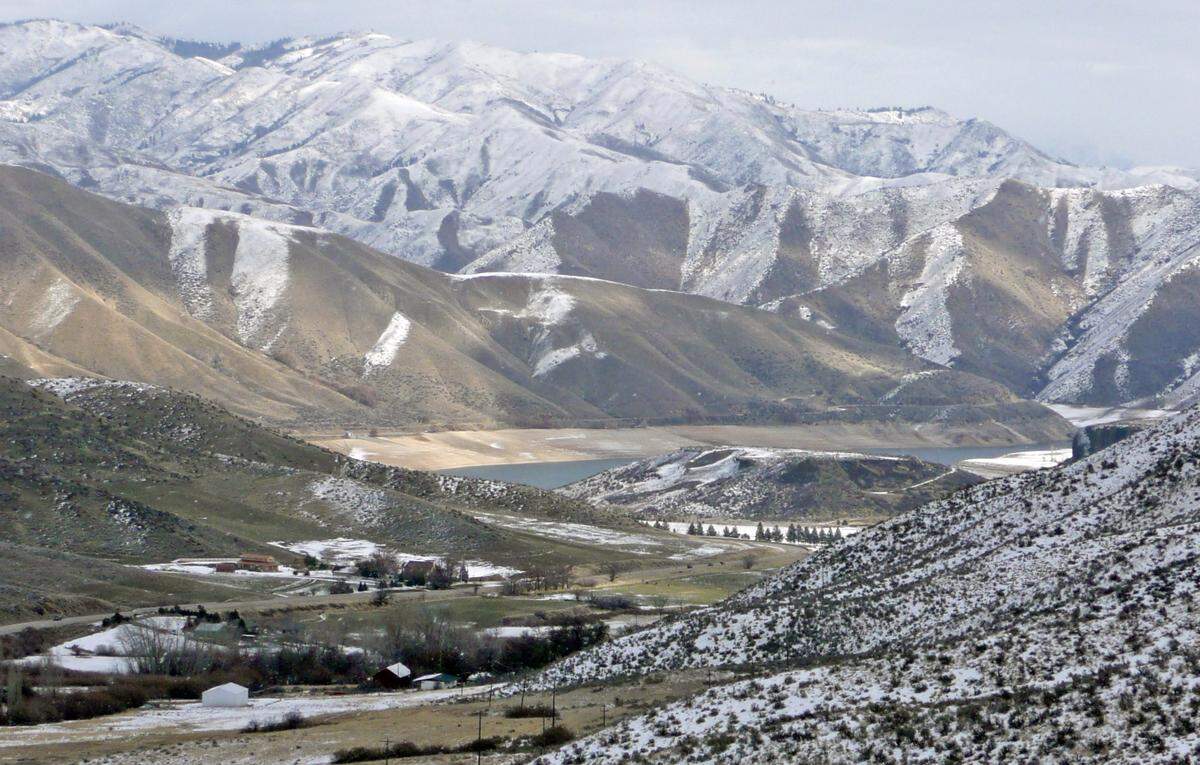
He’s not the only one to have had that problem. People hit deer, get into accidents or get flat tires in the area just as one might on any road, and the lack of cellular coverage can pose a big problem in an emergency.
Maverick Towers, a Boise company, is looking to remedy that problem. The company is preparing to put up five towers in the stretch of Highway 21 between Discovery Park near Lucky Peak Dam and Robie Creek over the next two years. That density of cell towers is higher than average to account for the topography of the area.
It can be difficult to figure out where to best place towers in the rocky terrain, said Andy Cockell, a representative of Maverick. There are also local, state and federal regulations that proposed towers must meet.
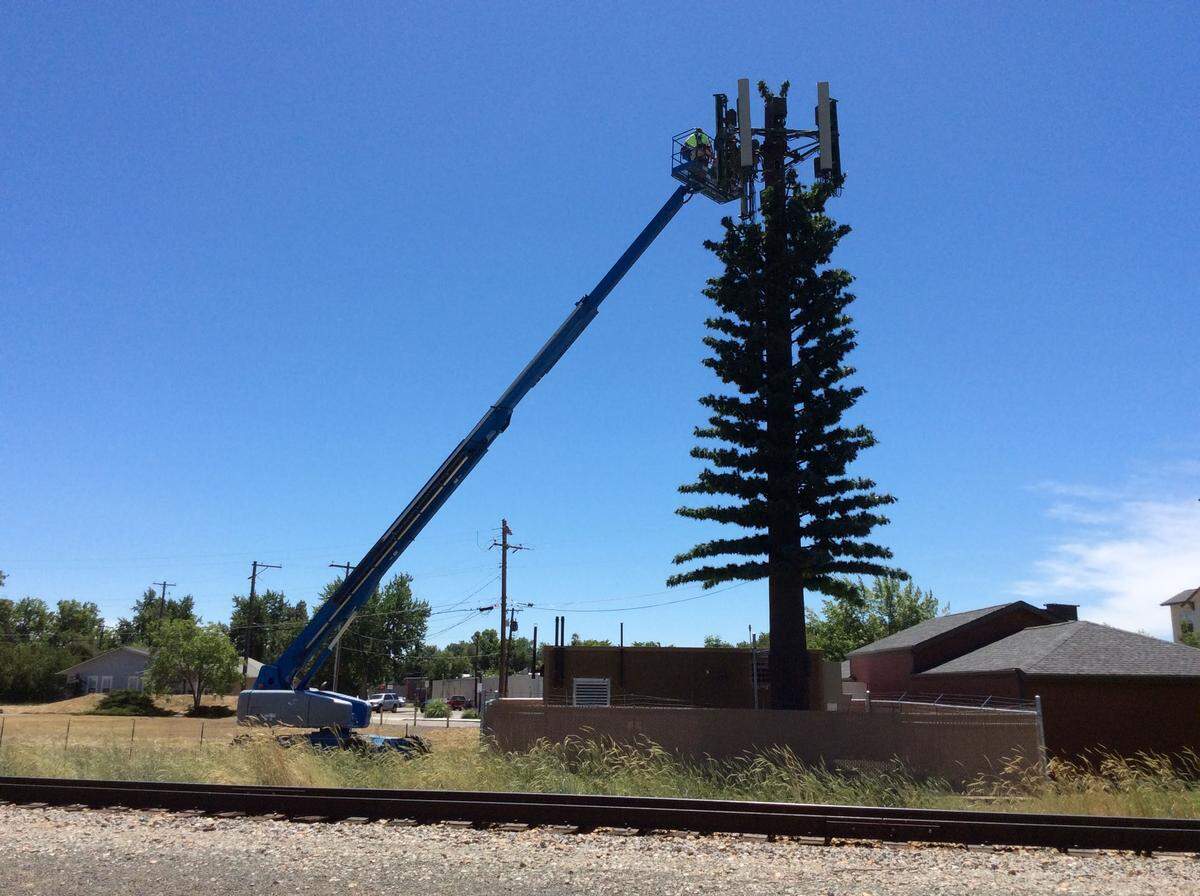
One 140-foot tower is set to go up on property along Highway 21 near Lucky Peak. The Ada County Planning and Zoning Commission approved the tower, but Jason Stively, who owns property adjacent, appealed the decision to the county commissioners.
Stively said a tower would lower the value of the property and a $1.3 million home he and his wife plan to build there someday by as much as 10 percent. Some other neighbors shared that sentiment. Others worried more about the potential harm that could come from nearly nonexistent cell coverage.
The commissioners voted 2-1 to deny the appeal and uphold the tower’s approval.
“Everyone wants the technology to work, but they don’t want the infrastructure near them,” Cockell said.
The future of the towers depends on carriers being willing to use them, Cockell said. T-Mobile is already planning to use the tower, and Cockell said Maverick is talking with other carriers.
If the towers are successful, the company may seek to fill in coverage gaps all the way to Idaho City. Meanwhile, people who live and drive through the area may notice growing pockets of coverage as the towers are built.
To some, that can’t come soon enough. Laura Fischer, who lives in the area, said she relies primarily on Wi-Fi calling at home. She said that by and large, cell phone coverage is a dominant form of technology now, and it’s important that people be able to use it properly.
She worries about not being able to make important calls, such as to emergency services, or not being able to receive them, as when her son makes a call home from basic training for the Air Force.
“I think it comes down to how there is so much beauty around here,” Fischer said in a phone interview. “You can focus on the tower and be pissed, or you can ignore it and look at anything else.”
This story was originally published March 21, 2019 at 12:26 PM.
.jpg)