Boise just created this historic district. These owners fought it. See the houses saved.
Old houses that Boise protected with a temporary emergency ordinance last August will now be preserved as a slice of history. They will come under permanent rules designed to protect their character.
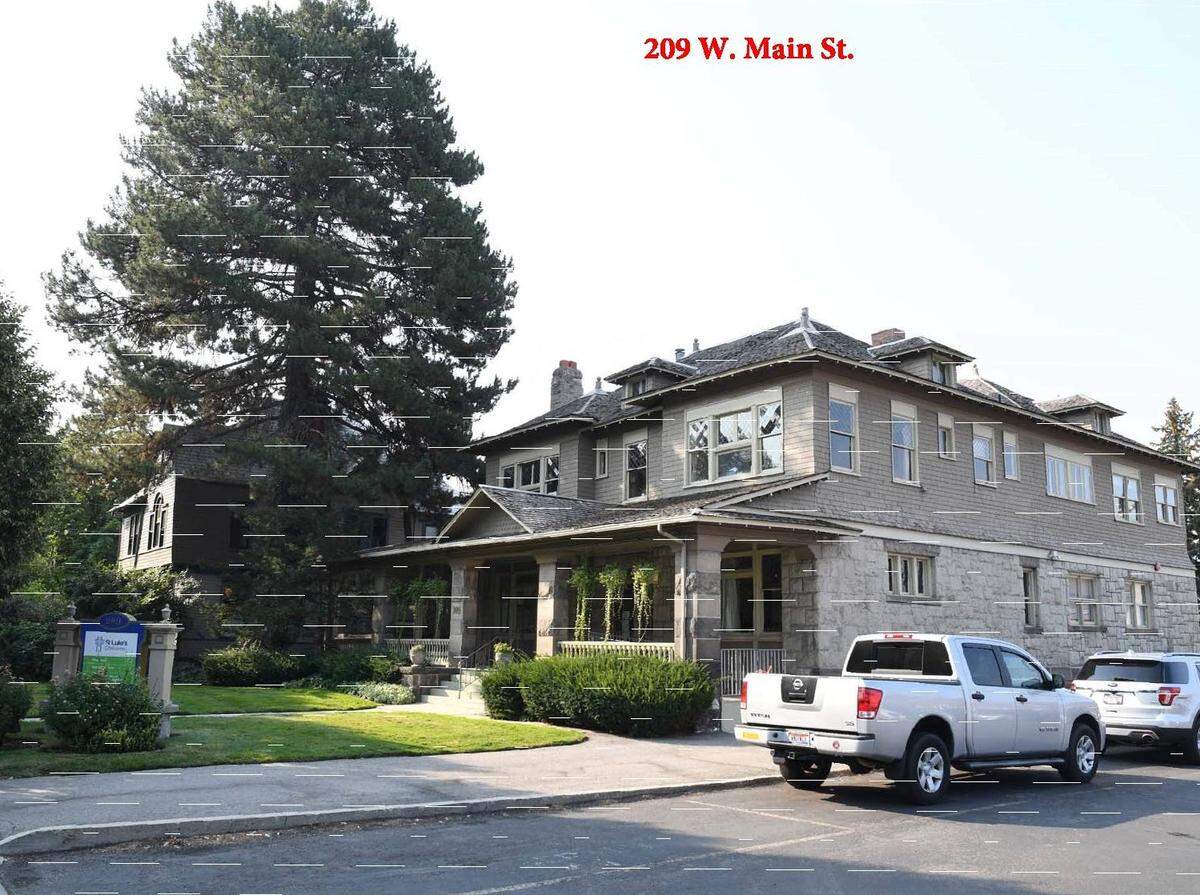
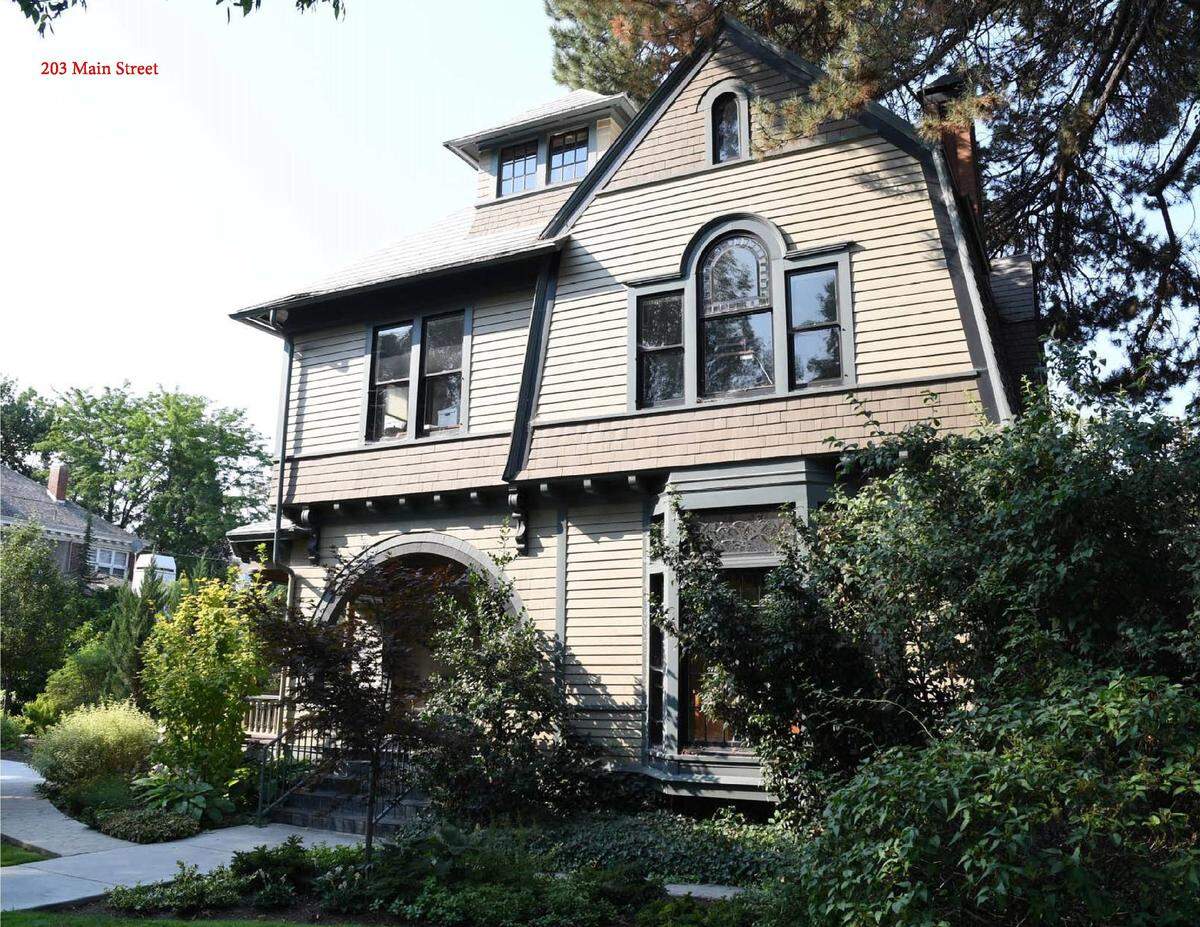
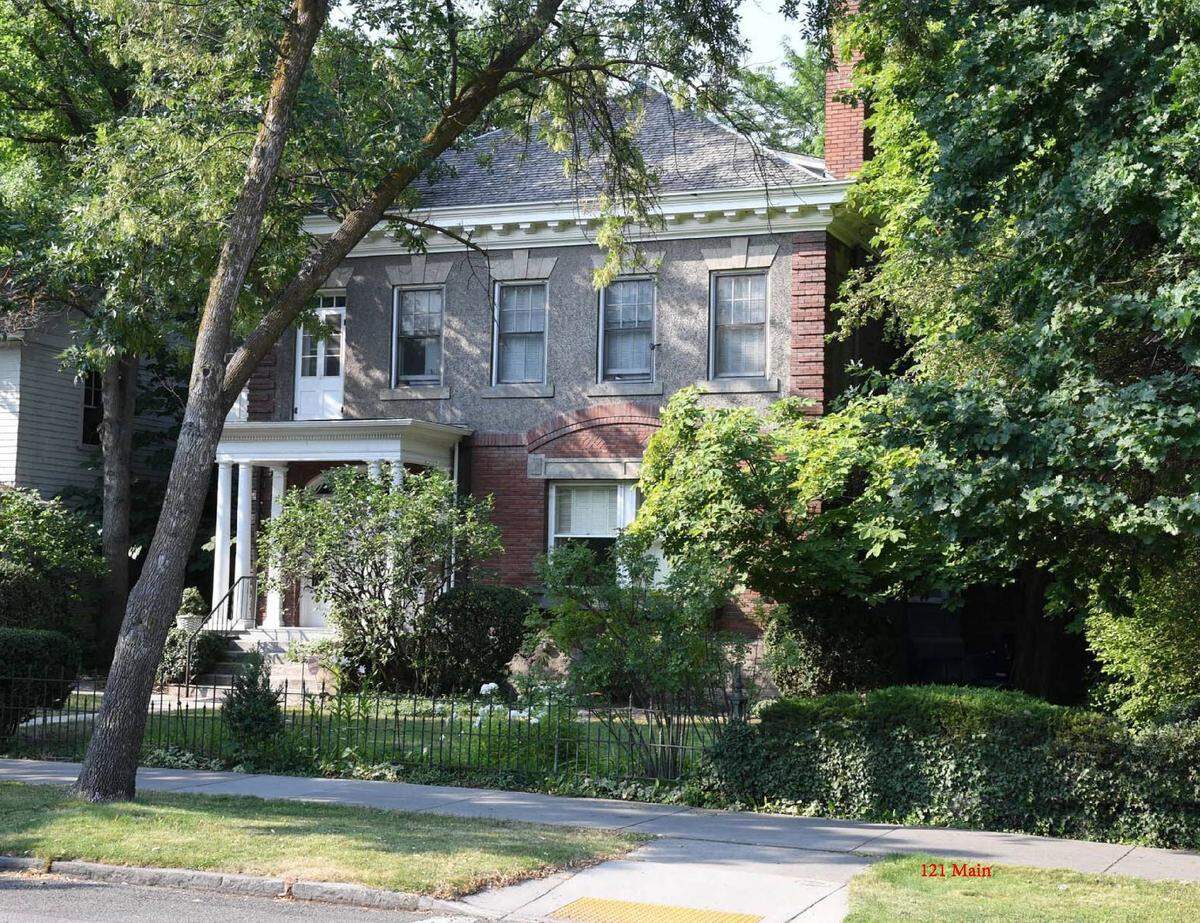
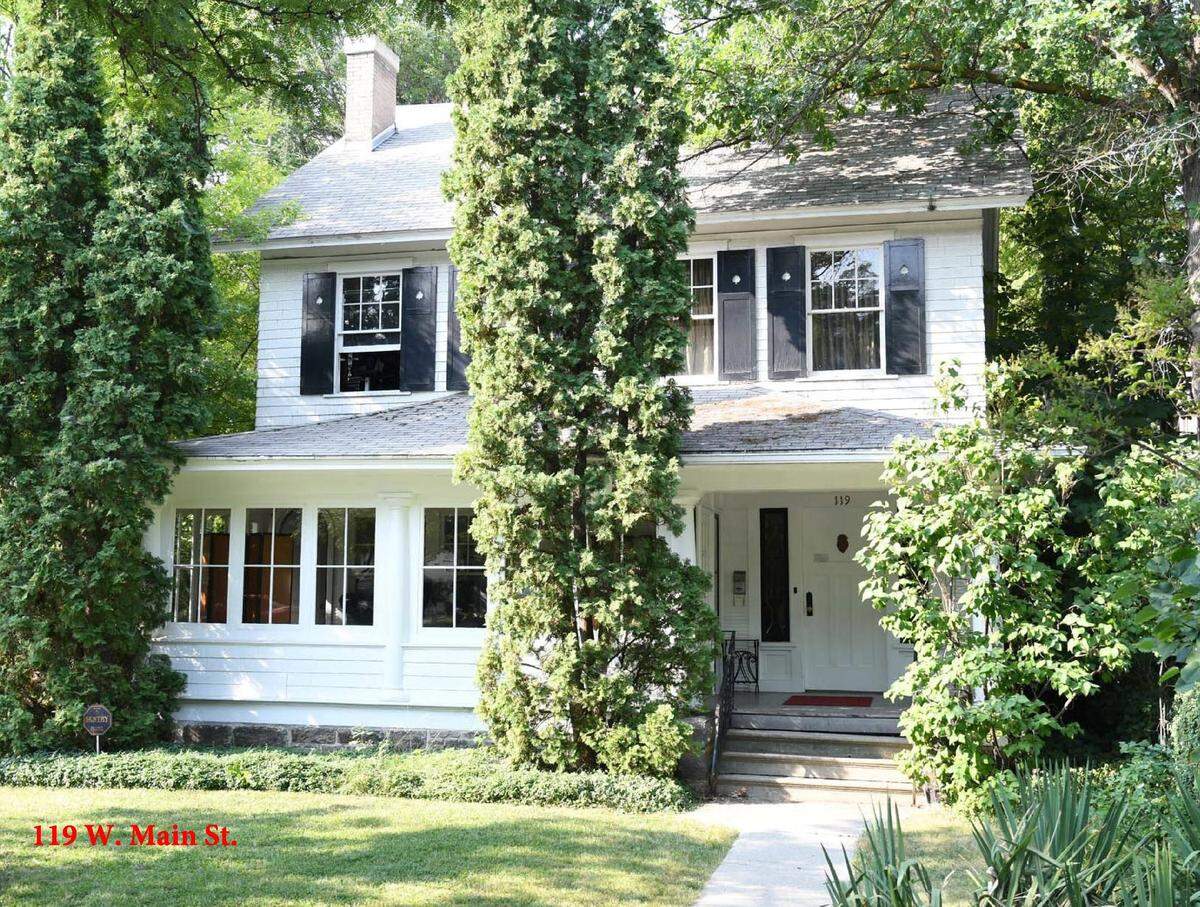
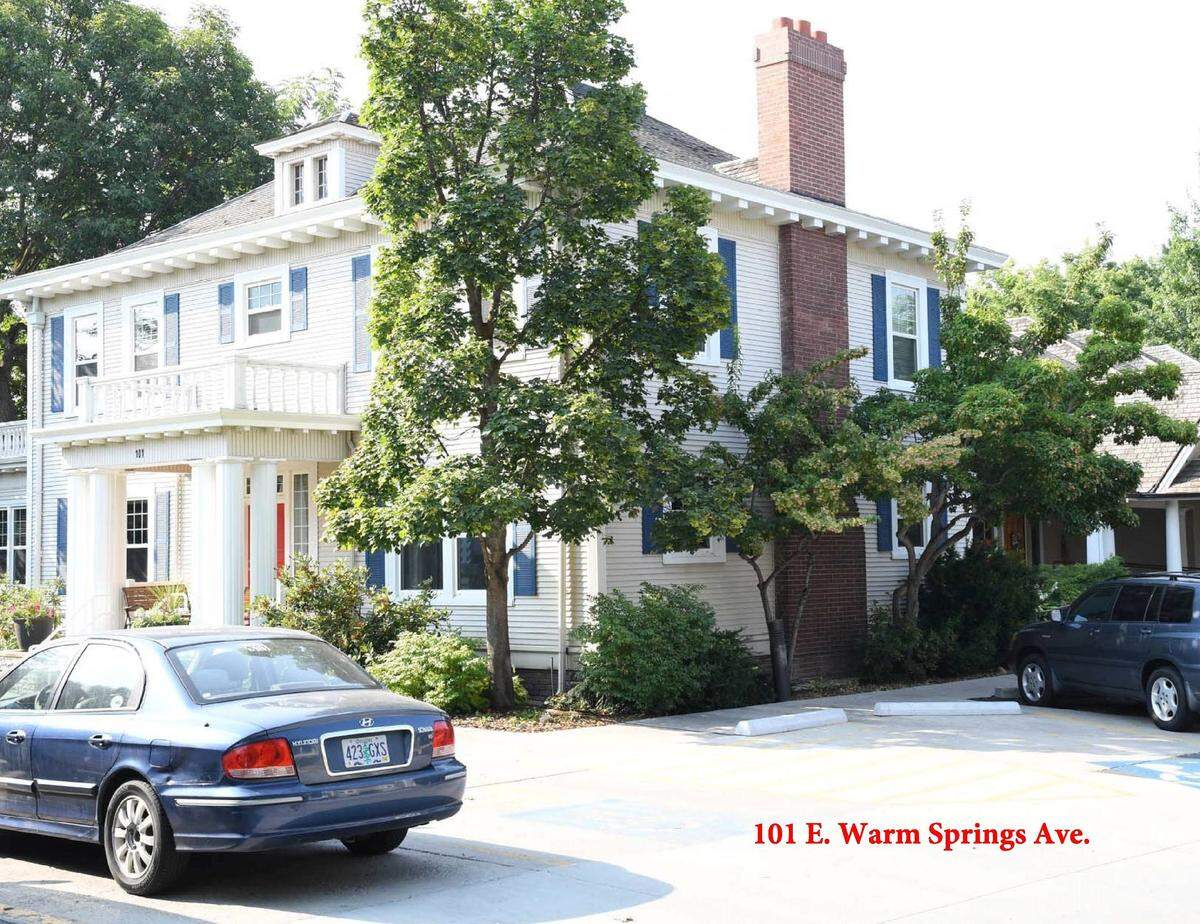
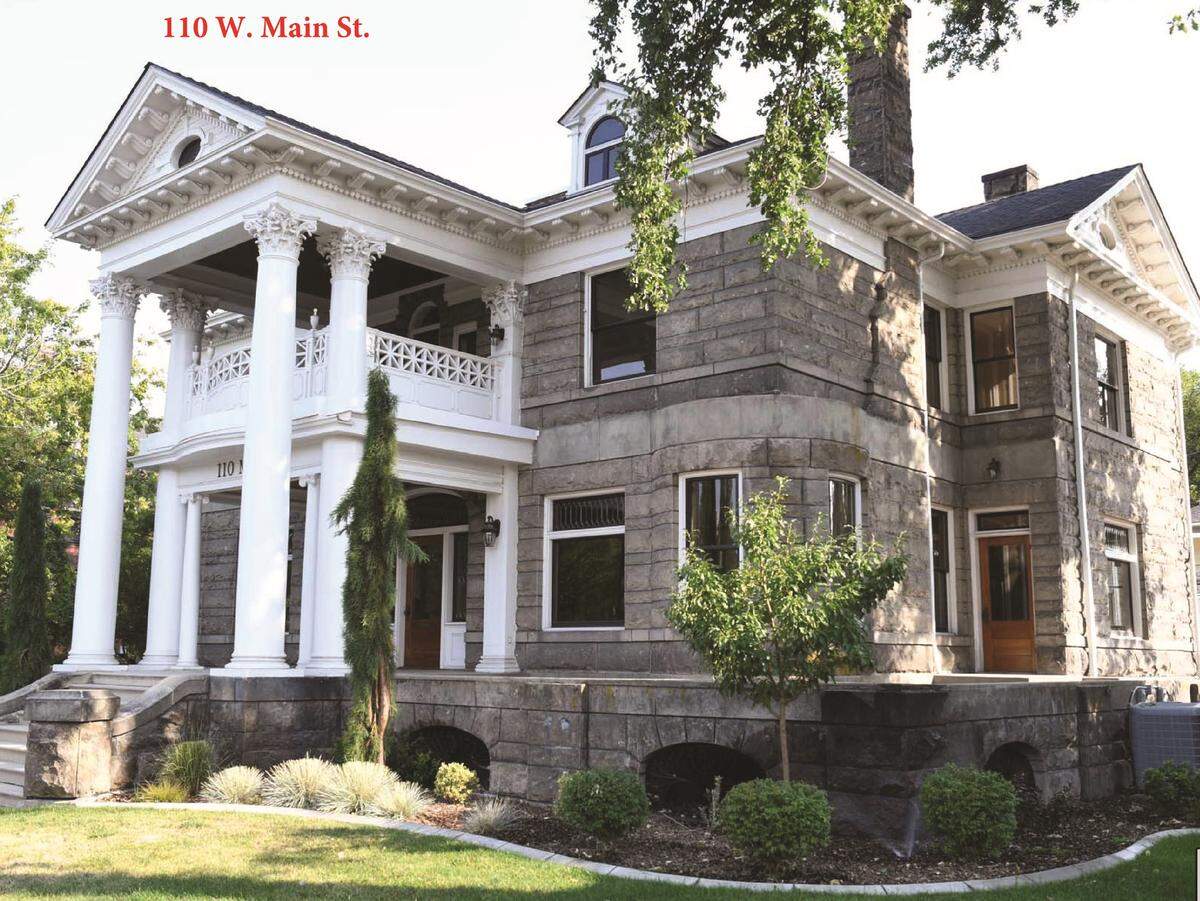
The Boise City Council’s decision this week to establish a historic-preservation district in Downtown’s eastern side means 11 buildings will be protected, 10 of them historic homes, including the one whose threatened demolition led to the emergency ordinance. They’re along First, Second, Main and Idaho streets.
The ordinance drew cheers from neighborhood and historic-preservation groups and overwhelming support in emails and city meetings. It drew opposition from owners of two of the buildings and a conservative group.
“The premise of historic preservation is, ‘If you can’t save it all, save the very best.’ And that’s what we have here,” Mark Baltes, president of the North End Neighborhood Association, told the council just before Tuesday’s vote.
All buildings in the district will be required to follow rules the city will develop to restrict changes that interfere with significant architectural features.
Some of the homes housed mayors, governors and members of Congress a century or more ago. One was the site of a slaying involving a love triangle. The accused killer was acquitted after being defended by lawyer William Borah, who later became a U.S. senator.
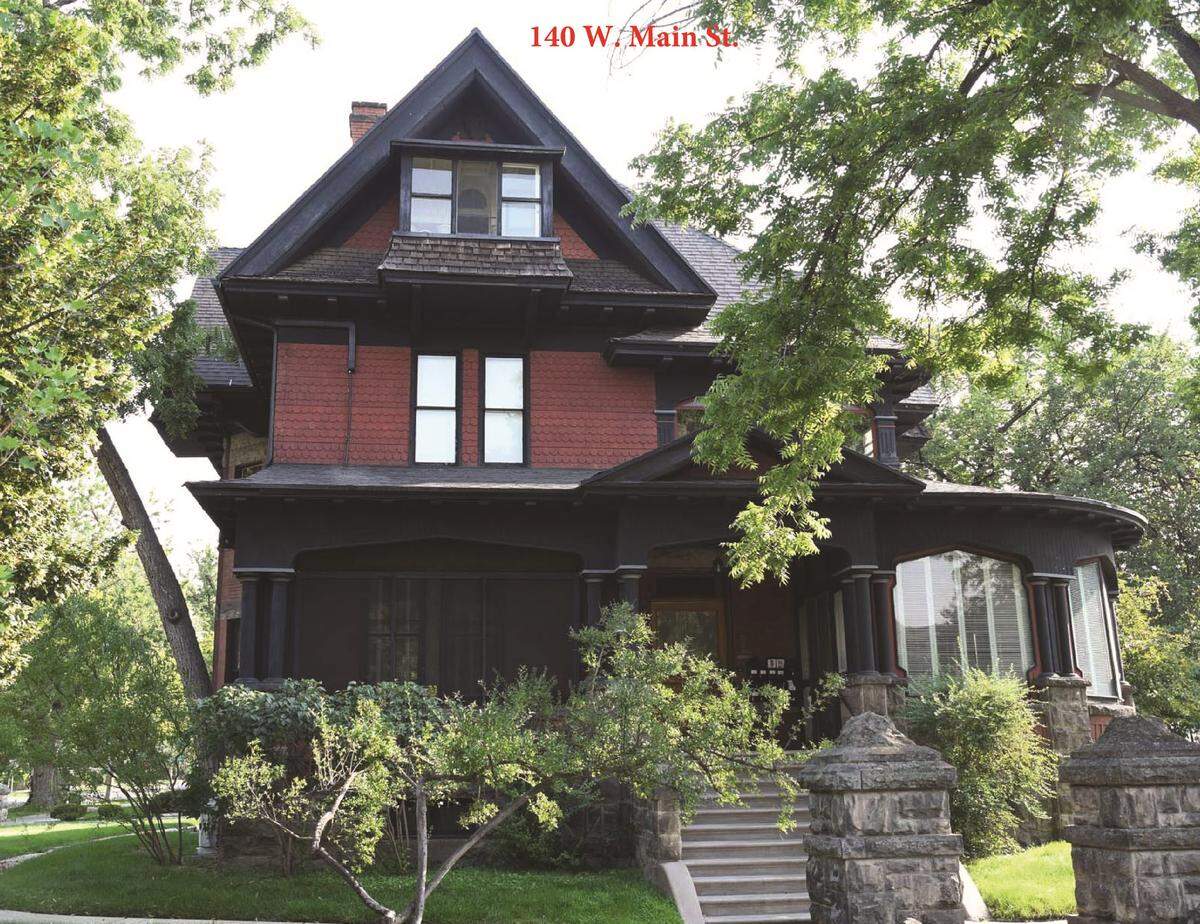
The house that triggered the six-month emergency ordinance is now an apartment building at 140 W. Main St. Built in 1897 by Alfred Eoff, it was designed by the architectural firm that designed the Idaho Capitol and was the governor’s mansion for James Brady, who also served in the U.S. Senate.
City officials said the house’s owner, Bill Hon, told them last summer that he planned to demolish the house this year. Hon later told the Idaho Statesman that that wasn’t so, but city planning officials stood by their account. Hon did not attend Tuesday’s meeting. A city record shows that he declined comment when he attended a city Historic Preservation Commission meeting in October, and he did not reply to a Facebook message Thursday from the Statesman.
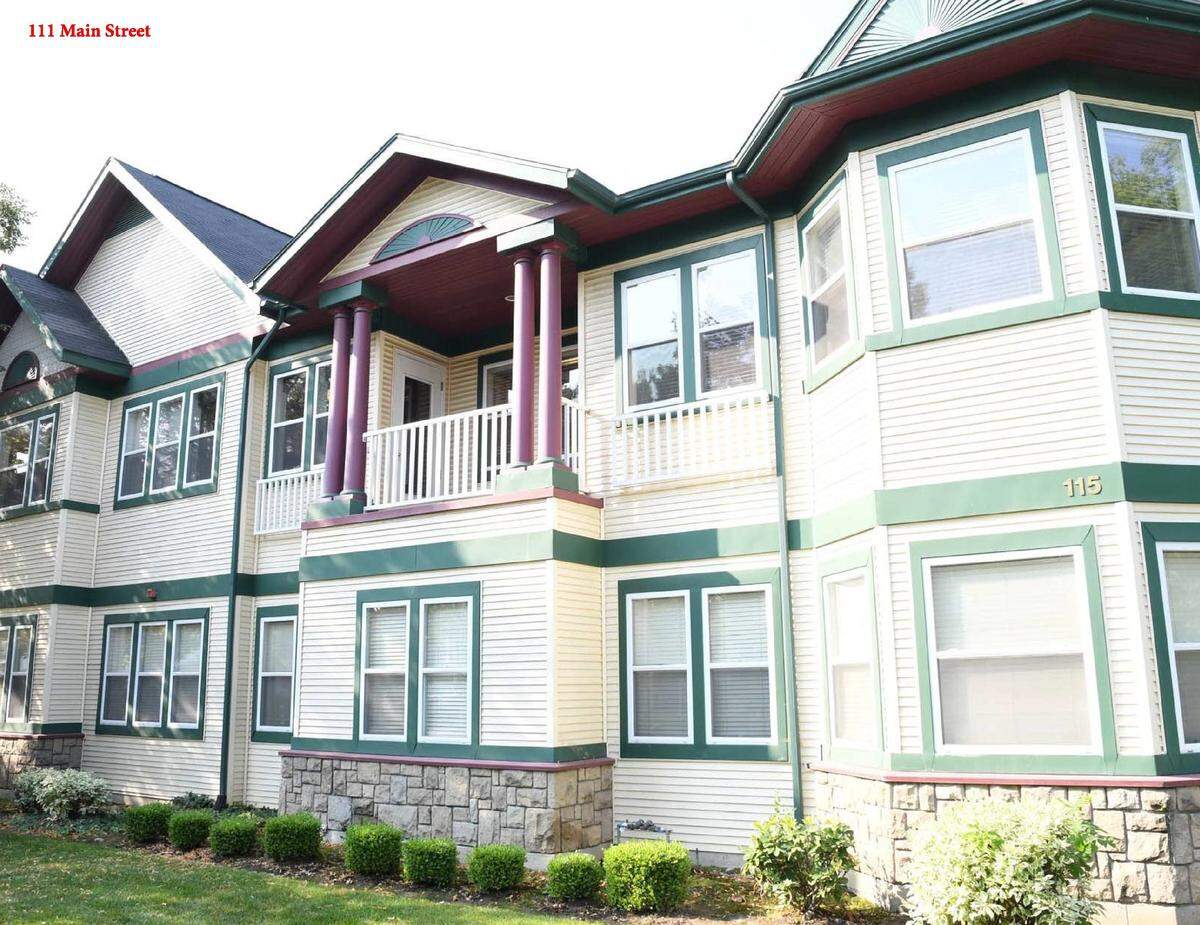
Most of the building owners did not object to inclusion. But the owners of the largest building, at 111-115 Main St., argued that it is not historic. The Les Bois building and Main Street Professional Building were built in the 1990s and combined into one with a common entryway and elevator.
Randy Limani, manager of the Main Street Condominium Association, argued for exclusion, while Arthur Berry, a co-owner, said restrictions on replacement materials for the building’s exterior amount to an “administrative taking.” City officials did not challenge the building’s lack of historic importance but said its location meant it must stay within the district.
“You don’t want development to occur that is inappropriate and will adversely impact that district down the road,” city planner Ted Vanegas told the Historic Preservation Commission.
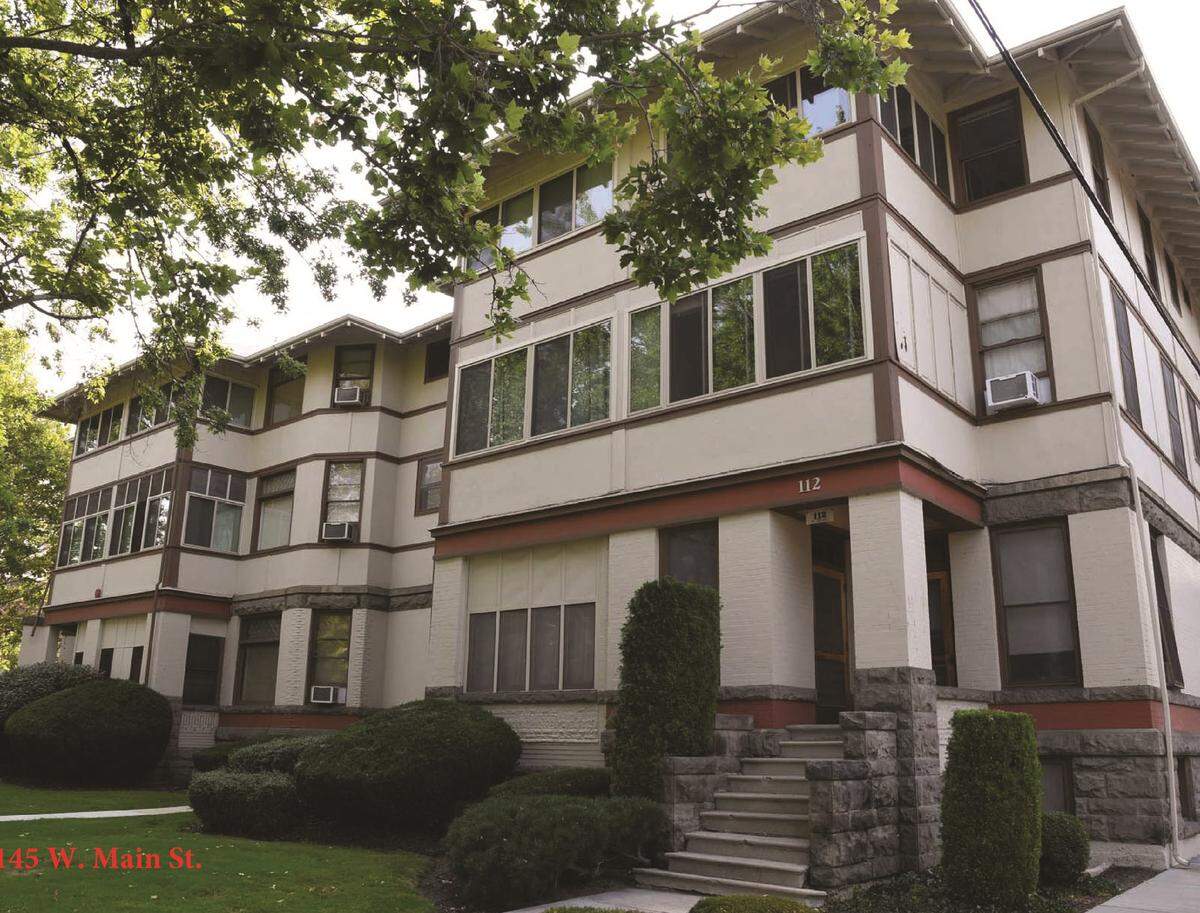
The owner of the house at 145 W. Idaho St., now an apartment building, also asked not to be included. James Auld said he bought the building in 1969 and has counted on it for retirement support. In a letter to the city, he said it eventually would require half a million dollars in investment to update, and the property might then be put to better use.
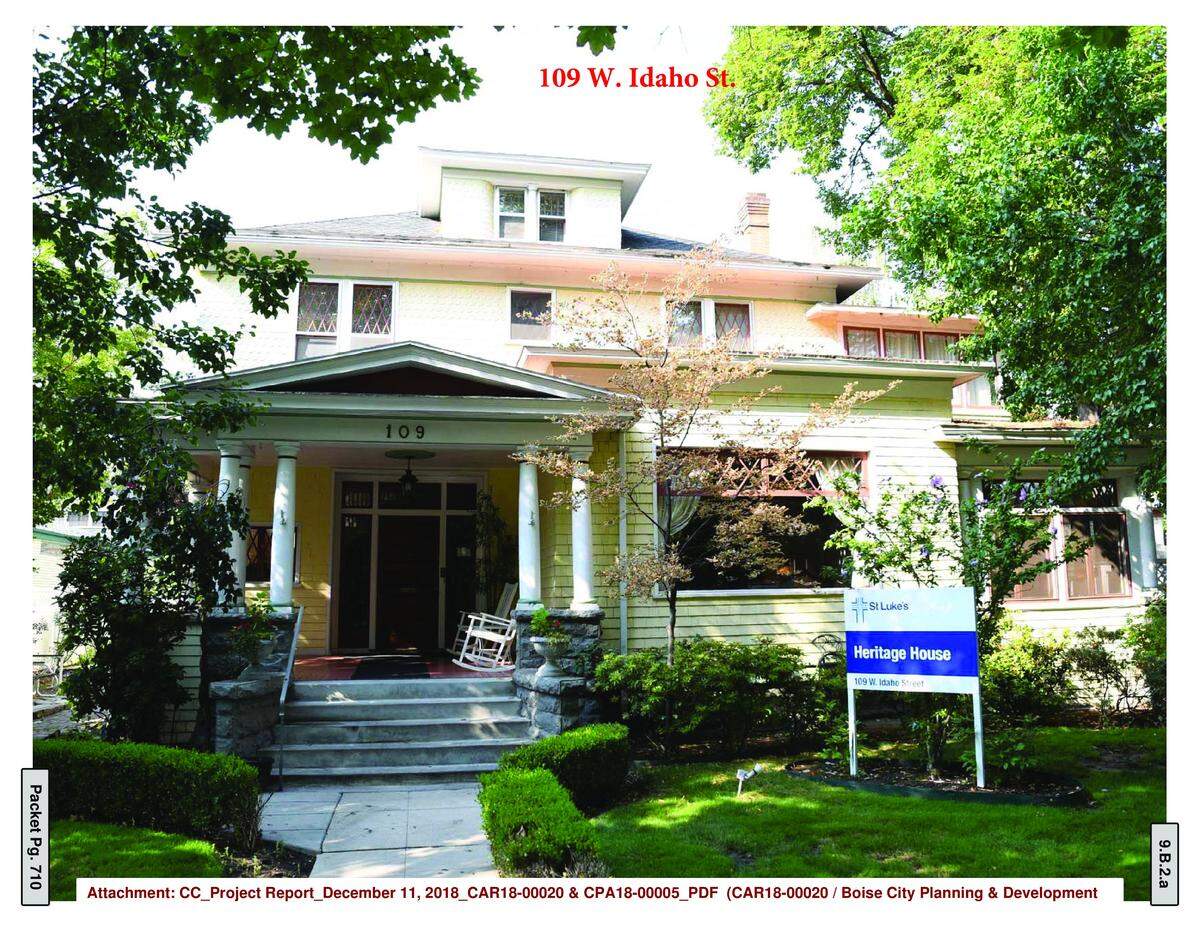
Most of the homes were built in the Queen Anne or Colonial Revival style from 1892 to 1911, and most were designed by either Tourtellotte and Co. or Wayland and Fennell, two prominent architectural firms of the time, city officials say. Most are part of the West Warm Springs Historic District designated by the U.S. Interior Department in 1977, an honor that provided no protection from alterations or demolition.
“The area traditionally served as a gateway to Warm Springs Avenue, one of the city’s most prestigious residential neighborhoods,” Vanegas wrote in a memo to Bieter and the council. “The area’s location between the city’s commercial center and the Warm Springs neighborhood made it a highly valued area to reside. This attribute attracted some of the city’s most prominent residents, including a congressman (Edgar Wilson), a senator (James Brady), a federal judge (Chase Clark), and two governors (Chase Clark and James Brady) ...”
The Idaho Freedom Foundation opposed the district, citing property rights as one reason. “Almost every change to the property requires city approval,” wrote Lindsay Atkinson, a policy analyst, in a letter to the city.
Here are the homes. The facts about them come from records provided to the Boise City Council by the city Planning and Development Services Department.
This story was originally published December 14, 2018 at 11:43 AM.