These ‘aggressive’ plants are taking over Ada County. What to do if you spot them
Native plants in the Boise area are facing more competition as weeds invade their territory.
Ada County recently added two plant species to its list of noxious weeds after weed control experts identified them as problems.
Idaho residents are required by law to remove noxious weeds from their property as soon as they are discovered.
Here’s what to know:
What are noxious weeds?
In Idaho, plants are designated as noxious when they’re considered “injurious to public health, agriculture, recreation, wildlife or property,” according to the Idaho State Department of Agriculture’s Invasive Species of Idaho program.
These rapidly reproducing plants can colonize a variety of habitats and “aggressively out-compete native species,” causing immense harm, the invasive species program said.
They’re spread by forces including people, wind, animals and water.
As highways develop these pesky “weed seeds can and do travel great distances quickly,” Adam Schroeder, director of the Ada County Noxious Weed Control Department, said during a county budget presentation on Monday, June 8. “Weeds usually become established and advance along highways, roads, trails and river corridors.”
“Our talented folks have a sharp eye for noxious weeds, and they’re finding them everywhere,” Schroeder said.
What are new invasive species on Ada County list?
During the June 8 meeting, the Ada County Noxious Weed Control Department identified two invasive plant species that are new to the county’s list of noxious weeds in the 2025-26 fiscal year.
According to Schroeder, white bryony and oxeye daisies have been blanketing the Treasure Valley.
One plant is a quick-growing vine that’s related to the cucumber plant, while the other is a daisy-like flower that spread across fields and pastures.
What does white bryony look like?
“White bryony is a vine that climbs vertically and horizontally via tendrils and can form dense mats that blankets and shades out all vegetation it grows on,” the Invasive Species of Idaho program said. “All parts of the plant are poisonous, however the roots and berries are especially toxic to humans and livestock.”
Vines grow rapidly, up to 6 inches a day, the program said.
Bird migration is the main culprit behind the spread of white bryony vines, the Invasive Species of Idaho said, noting that the plant “reproduces from seed and can also resprout from roots.”
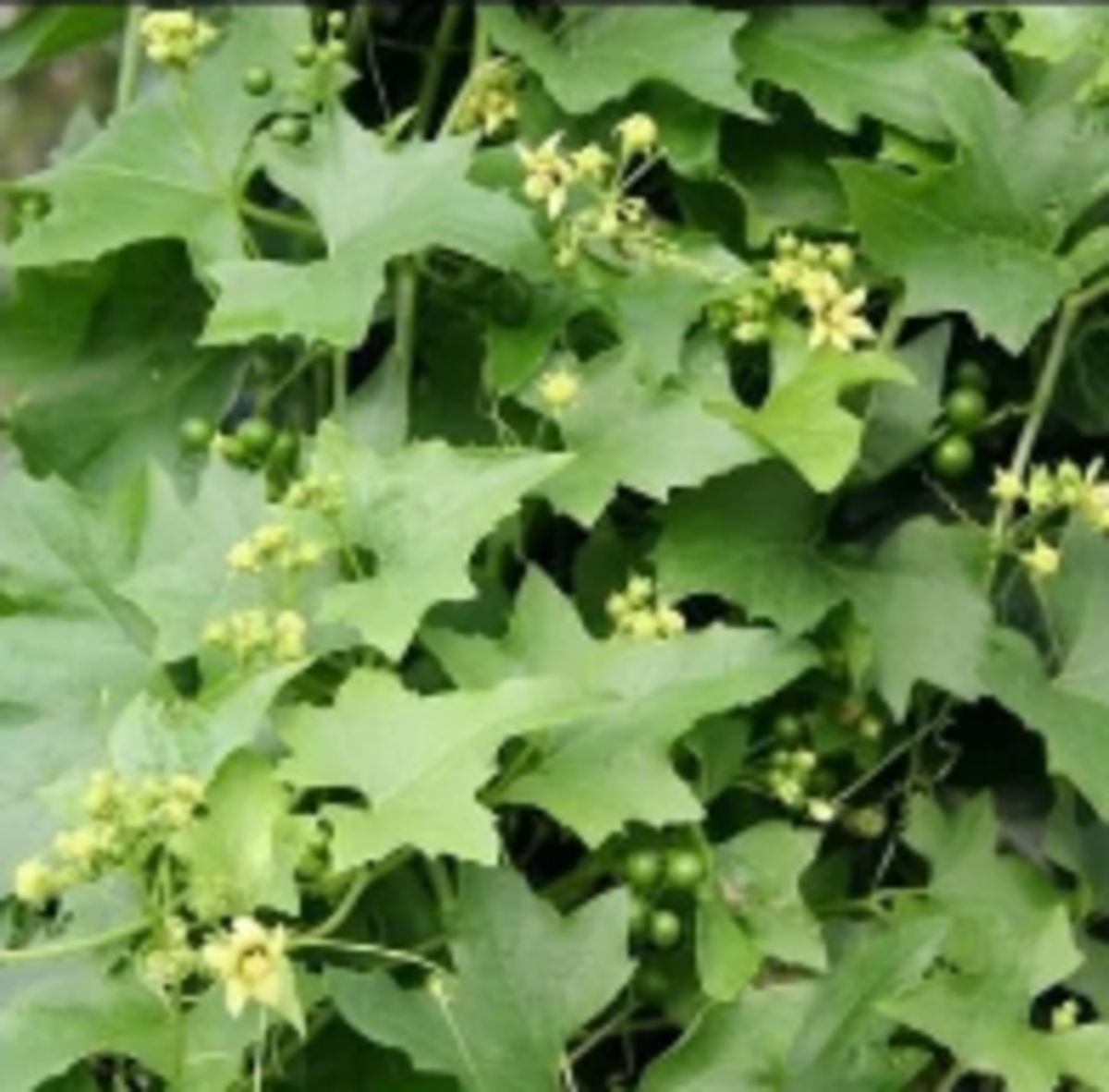
Here’s how Invasive Species of Idaho identifies the toxic plant:
- Thick, fleshy and turnip-like roots
- Triangular leaves with five points
- Rough texture to leaves
- Clusters of small greenish white flowers with five petals
- Black round berries when fruit matures
“Those (white bryony) tubers are nasty looking,” Schroeder said during the June 8 presentation. “They’re very smelly and kind of poisonous.”
How can I identify oxeye daisies?
“Oxeye daisy is an aggressive invasive species,” the National Park Service said on its website. “Once established, it can spread rapidly by means of roots and seeds into undisturbed meadows, woodlands and riparian areas.”
These flowers form “dense stands that tend to displace native vegetation, especially wildflowers,” the National Park Service said.
Each perennial plant can produce more than 25,000 seeds, according to the Idaho Weed Awareness Campaign.
“Uniquely, these seeds can germinate immediately, and remain viable for over 35 years,” the educational program said, adding that the plant spreads through its rhizome-like roots.
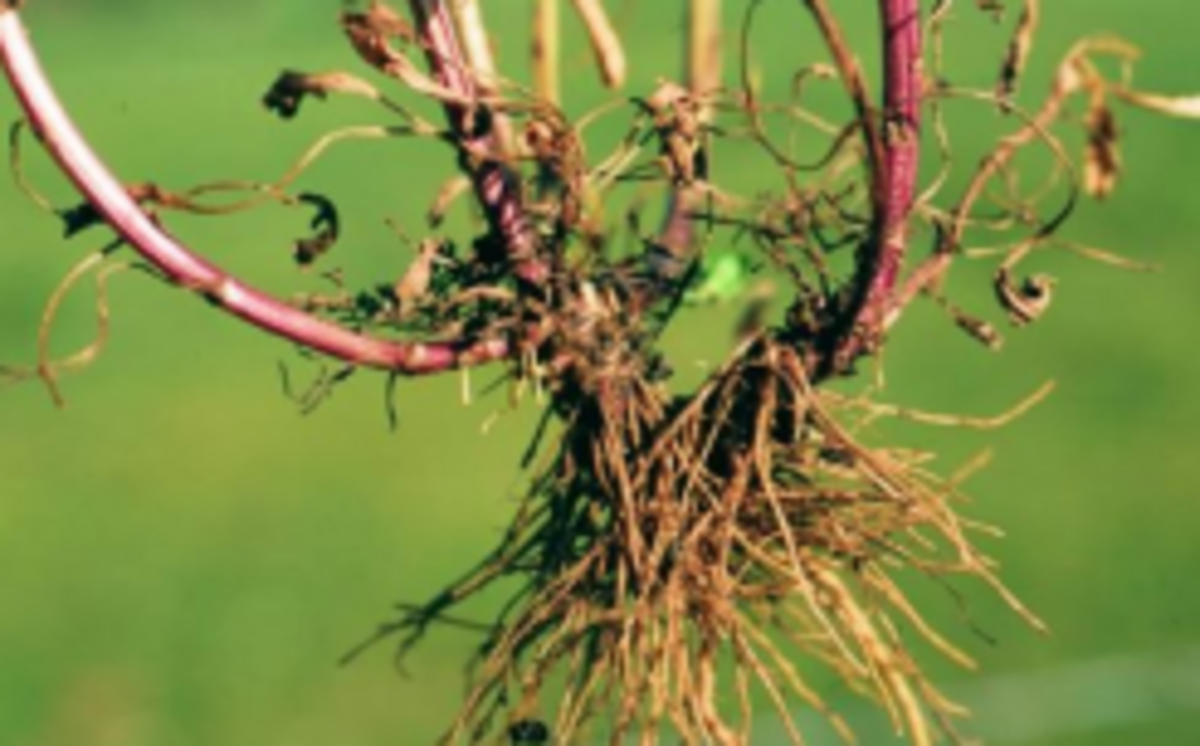
Oxeye daisies can take over grain fields, meadows and pastures in Idaho, the Idaho Weed Awareness Campaign said on its website. “It grows so dense that the fields look as if they have a blanket of snow over them.”
Pastures of grazing grass are replaced by unappetizing daisies.
“It is generally not consumed by livestock, but if eaten by the cow the milk will have an ‘off’ flavor,” the campaign said.
Here’s how to tell oxeye daisies apart from other flowers, according to the Invasive Species of Idaho program:
- Solitary daisy-like flowers
- 3-inch-tall stems
- Large leaves shaped like spoons or spatulas
- Red roots
What are other noxious weeds in Ada County?
More than 30 invasive plant species are listed as noxious weeds in Ada County.
According to the Ada County Noxious Weed Control Department, “the most prevalent and troublesome” species are poison hemlock, whitetop, rush skeletonweed, Scotch thistle, Canada thistle and puncturevine.
Who is responsible for removing invasive plants?
Under Idaho state law, you’re required to report noxious weeds that infiltrate your property — and properly remove them.
“Idaho’s noxious weed law specifically requires that invasive weeds are to be controlled both on public and private land by the individual, company or agency owning the land,” Ada County said on its website.
Although the responsibility of weeding out invasive plants falls on the property owners, Ada County may need to step in if the invasive plants are improperly treated or left untended.
“County weed superintendents may only treat noxious weeds on private property if the landowner fails to fully mitigate the situation,” the county said. “In such instances, Ada County will treat the noxious weeds and bill the property owner for the weed control efforts.”
Hourly labor costs for weed control range from $45 to $130, depending on the type of services used, with a minimum charge of $75 per work order.
“Ada County does not provide lawn care or insect control services,” the county said. “Contact a local, private company to obtain these services.”
How do I report problem plants?
You should contact the Ada County Weed Control Department as soon as you notice any noxious weeds in order to keep invasive plant populations under control.
Call 208-577-4646.