
Creative way to afford a house in Idaho: Six people, three generations, one roof
AI-generated summary reviewed by our newsroom.
- The Petersons will move three generations into a modified Prescott Ridge home in July.
- Seventeen percent of homes sold in 2024 were multigenerational properties.
- They modified a Hubble Home plan with $5,000–$10,000 in changes to create four spaces.
For the Petersons, affording a house in Meridian is a family affair.
In July, three generations of them will move into a new house in the city’s Prescott Ridge large-tract subdivision, buying into a house that none of them could afford on their own.
To do it, the Petersons are taking a ready-made Hubble Home floor plan and making about $6,000 to $10,000 in modifications to create four separate spaces for four sets of adults: three grandparents, two parents and a 21-year-old granddaughter.
“We were joking about having a compound — that’s where this all started,” said 54-year-old Brad Peterson, father, son and middle generation. That sparked an idea: “What if ... we went all in? We could afford a lot more house than what we could get separately.”
The multigenerational approach is becoming increasingly popular, according to industry experts, even as Americans tend to view single-family homes — the dominant form of development since World War II — more narrowly than other parts of the world. But the Petersons’ house tucks in cleanly to a new subdivision without an accessory dwelling unit or any sign that six adults spanning six decades live inside.
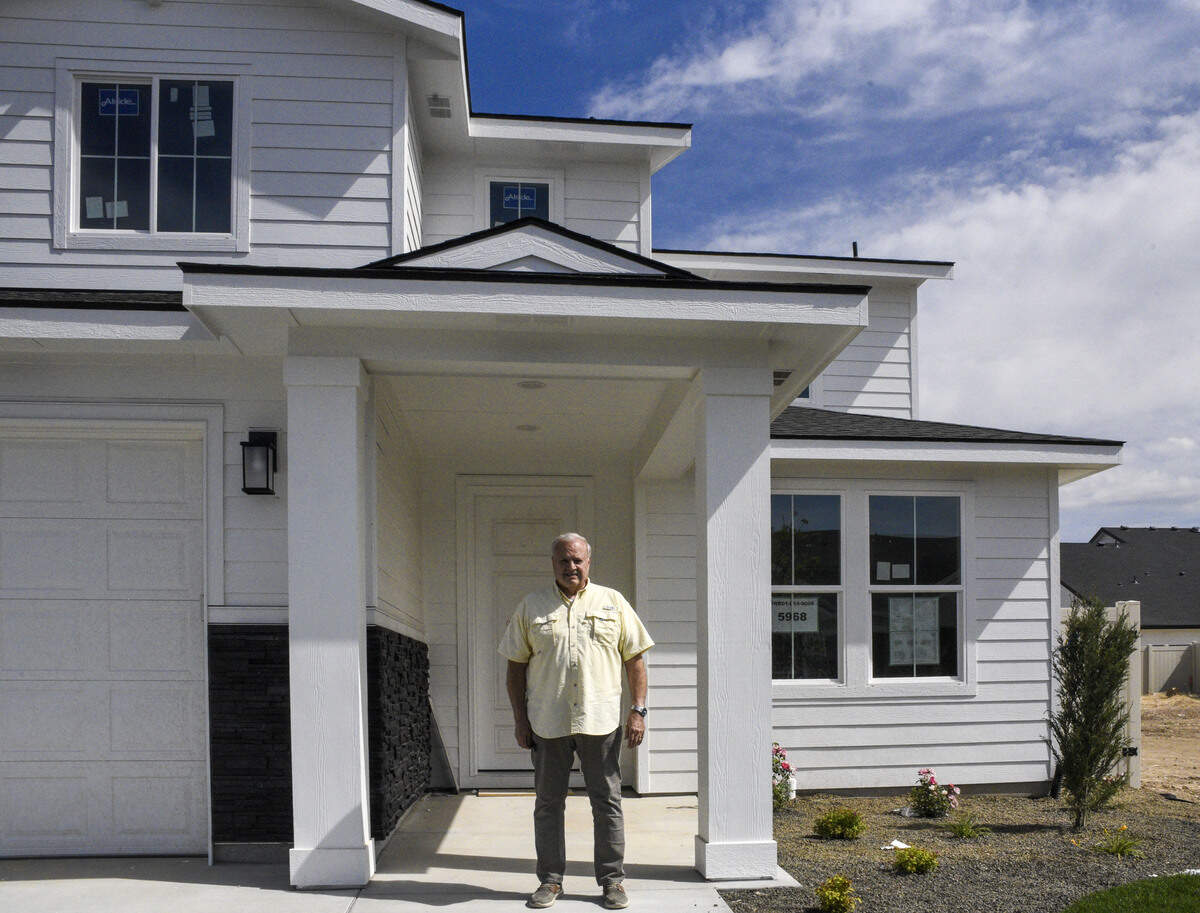
Brad Peterson developed the idea based on a model home layout he found online. A counselor in Oregon, he plans to move to Meridian and set up an Idaho practice once the house is finished. But he couldn’t afford the down payment on a new home. Brad Peterson’s father, Terry, and mother, Carole, are retired; on a fixed income, they couldn’t afford the upkeep on their current Meridian home — or the monthly payments that would come with moving to a new place.
“I found I was spending a little more every month,” Terry Peterson said. “You can only do that for so long.”
Stefanie Harman, Brad Peterson’s sister, is a real estate agent in Eagle. She started looking for multigenerational homes a year ago. Most options were big and expensive, Brad Peterson said, hovering around $1 million. So they got creative, looking for ways to “apartment-out” a pre-existing floor plan themselves. When Harman came across a different multigenerational buyer in Prescott Ridge, she forwarded the blueprints to her brother.
Larger homes in Prescott Ridge start around $500,000. With add-ons, their new house cost $682,000, Brad Peterson said.
“If we designed it right and set could boundaries, we thought it could work,” said Peterson, who last lived with his parents for a month or two before starting grad school in 2000.
To make the new house pencil, Terry and Carole Peterson are selling their home 5 miles away and using the proceeds to cover the down payment. Brad and his wife, Carol, are handling the monthly mortgage. And Carol’s mother, who is currently living in an apartment nearby, will help out with rent once she moves in. Brad’s daughter, a 21-year-old full-time nursing student, will live in her own suite on the first floor, too, plus two dogs in a nook under the stairs.
“None of us could have done this individually,” Terry Peterson, the family’s patriarch, said. “With the cost of housing, I think it should be a more viable option.”
Multigenerational housing on the rise, temporarily
More and more, it is becoming viable and necessary. Seventeen percent of homes sold in 2024 were multigenerational properties, according to the National Association of Realtors 2025 Home Buyers and Sellers Generational Trends Report. That’s an all-time high and roughly a 50% jump from 2021.
The main reason is price. More than one in three buyers said cost savings was the primary reason for living in a multigenerational home. One in four cited caring for aging parents. Brad Peterson — a member of the “sandwich generation” helping children launch and parents age — factored in both.
“The rise in multigenerational home buying underscores a broader trend driven by economic necessity and evolving family dynamics, as it offers a practical and supportive living arrangement that resonates with many families, particularly in times of economic uncertainty and changing social dynamics,” Amethyst Marroquin, a research assistant for National Association of Realtors, wrote in piece accompanying the report.
Some research suggests other benefits, too, according to a recent symposium from the Harvard Joint Center for Housing Studies. About 20% of Americans live in multigenerational housing, though the situation is often temporary, averaging 2.5 years, according to data presented at the conference. But those living in multigenerational households reported more social interaction, decreased sense of isolation and less loneliness.
For Terry Peterson, both price and care are part of the appeal. So is the connection of living under one roof.
“I think it has the benefit of creating a family that looks out for each other,” he said. “It shouldn’t be as unique as it is.”
Putting faith into practice
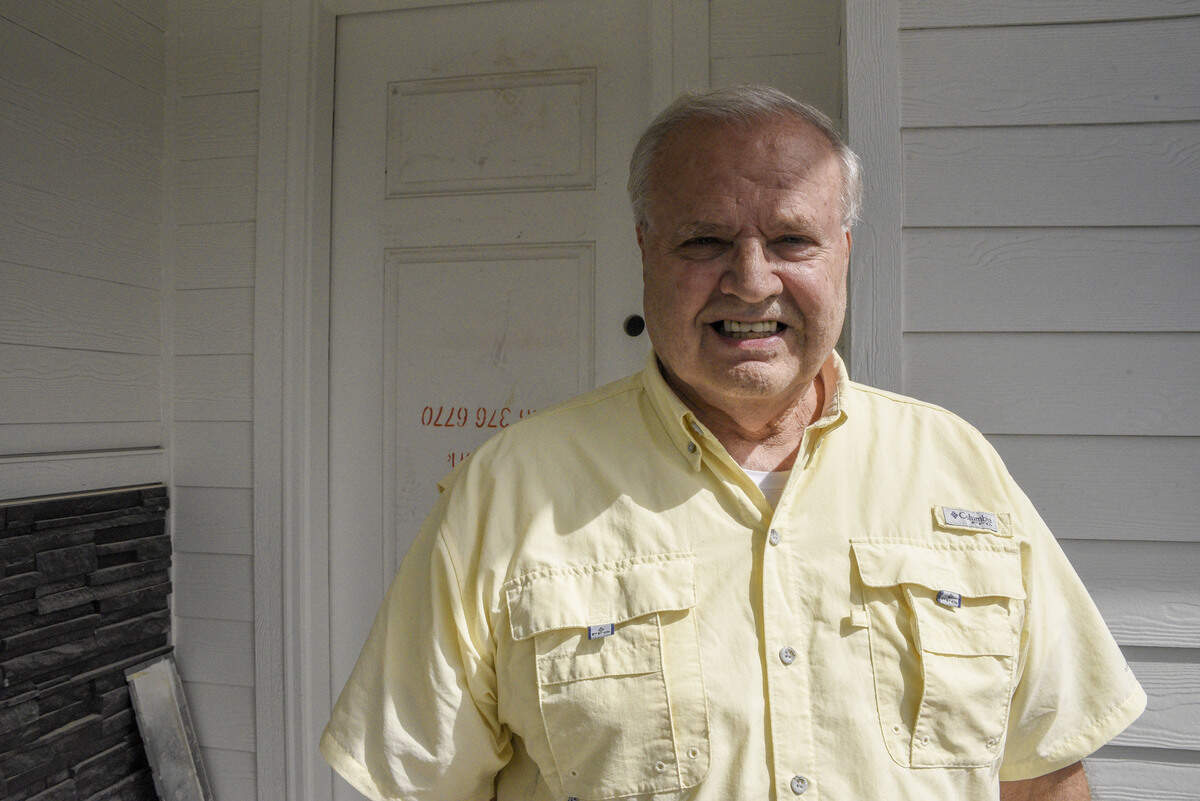
Terry and Carole Peterson raised their family on a farm in Washington’s Olympic Peninsula. City code said they couldn’t subdivide it, and as they grew older they couldn’t manage 29 acres alone. The couple retired to Phoenix as their family spread into Oregon and Idaho. But COVID-19 hit them hard. Terry was hospitalized and still suffers complications. Carole’s health suffered, and her memory declined. Their children kept flying south to coordinate their care. Together, they decided it was all too much. Terry and Carole moved north, a short drive away.
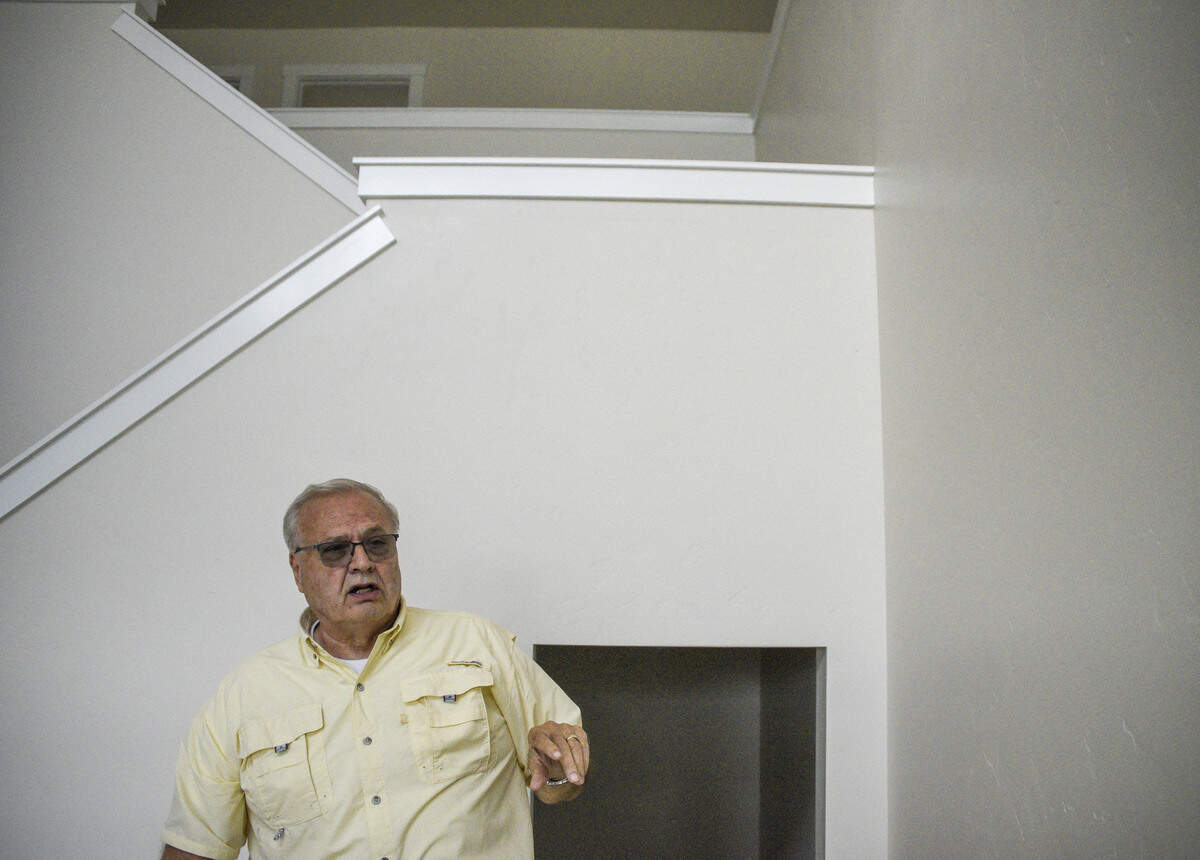
Soon, they’ll be in close quarters — and Terry Peterson admits it helps that the family is close-knit. The home will have different Carol(e) Petersons living under the same roof. But the design, which includes a shuttered interior window, kitchenettes and two laundry setups, effectively locks off into apartments, Terry Peterson said. Each has its own bathroom and set of doors for privacy.
There are boundaries to set, Brad Peterson said, and “we’ll have to work through that together. There’s shared space, but at times the house will be ours, and vice versa. It’s a difficult thing, but something that’s necessary.”
By July, what’s meant to be a guest wing on the bottom floor will have its own separate entrance. And Terry will have his own 10-by-10 shed for woodworking. Wiring for the last piece — a hot tub — is already waiting.
“Not every family gets along — I get that,” Terry Peterson said. “We feel very blessed. We’re over the moon to have that quality of time with them all of the time. We can hardly wait for everyone to come home.”
Months ago, the whole family visited the house, just a foundation and wooden bones. They wrote Bible verses on the studs, each in their own rooms — blessings for the house to come. Brad Peterson thinks of a verse from Timothy: “... learn first of all to put their religion into practice by caring for their own family and so repaying their parents and grandparents, for this is pleasing to God.”
“It takes a lot of generosity and willingness to contribute from everybody,” he said. “You might interview me in six months, and it could be a train wreck. It’s going to be an adjustment. But even if it’s hard, it’s the right thing to do — it’s worth it.”