Too-high rooftop patios? Jam-packed drive-thrus? Gripes bring change in Meridian
AI-generated summary reviewed by our newsroom.
- Meridian City Council redefines maximum height for residential buildings after complaints.
- Ordinance gets rid of rooftop exceptions for houses but doesn’t address other buildings.
- Council also gets final say over high-volume drive-thrus like In-N-Out under new code.
A new ordinance gives the city of Meridian tighter reins over two types of proposed developments.
The ordinance, unanimously adopted by the City Council on March 17, clamps down on height exceptions for residential buildings and revises the process for considering high-volume drive-thru restaurants, to allow for more council oversight.
City officials have foreshadowed for months that the changes could be coming.
In August 2025, Council Member Liz Strader raised concerns about the height of town houses in a controversial North Meridian development, which she said appeared to have exploited a “loophole” in city code. Nine months earlier, in October 2024, tensions over anticipated traffic at Raising Cane’s on Eagle Road sparked conversations about why large fast-food chains like Cane’s and In-N-Out were treated, under code, the same as drive-thru dry-cleaners or banks.
At a February meeting, City Council President John Overton said that, going forward, the new code would bring the type of drive-thrus that in recent years have caused the city “grief” before the council for approval.
Residential building heights: Closing a ‘loophole’ in Meridian
Under the new code, residential building heights are measured more strictly, “from the average grade at the front property line to the highest point of the roof or structure.”
That new definition leaves “no ambiguity” about whether rooftop structures like patios and pergolas count towards a building’s height, said Meridian Planning Supervisor Bill Parsons at the February meeting.
“They have to meet that requirement,” he said. “No exceptions granted.”
Exceptions previously allowed certain structures to exceed maximum height restrictions, as long as they weren’t intended for human occupancy. That long list included observation and water towers, smokestacks, windmills, antennas and “other appurtenances” — a catch-all for things like decks, fences, or rooftop stairwells.
Now, residential buildings must comply with maximum height restrictions, come hell or high water tower.
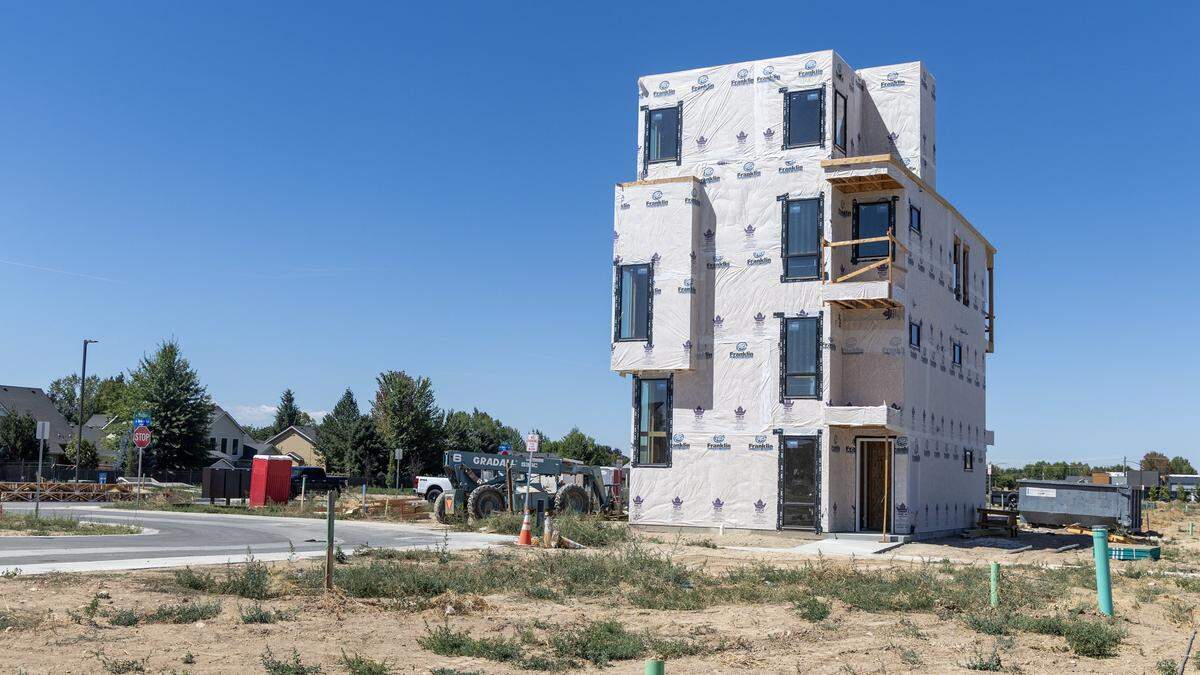
Rooftop structures were a point of contention in North Meridian’s Sagarra subdivision, where Strader and frustrated neighbors argued that a rooftop patio and walled-off stairwell gave a town house under construction “the appearance” of a fourth story, though the city had only approved three.
“Apparently, there’s some kind of a loophole in our code where they’re calling this like a rooftop pergola or a stair access, but it appears visually to be a complete additional fourth story,” Strader told the Idaho Statesman in August.
That appearance did “not reflect the vision of the council at all,” she said. “I just don’t understand how this is what we ended up with.”
Strader said at the February meeting that she appreciated the “progress” the new code made. But she noted that the changes don’t apply to other building types, which are now still allowed height exceptions for rooftop structures.
“I don’t want to have us approve a three-story commercial building and then find a 20-foot windmill on top of it,” she said. “That would be absurd.”
She noted that, in Meridian, multifamily buildings are technically considered nonresidential, meaning the exceptions still apply.
“I’m happy with the residential,” she said. “I just think that this approach needs to be expanded to the other property types in the future.”

City Council to get final say on high-volume drive-thrus
Neighbors’ concerns also prompted the city to reconsider its approval process for drive-thrus.
Under the old code, drive-thrus — which require special permits when they are within a certain distance of homes or other drive-thrus — were treated the same whether they led to the window of an In-N-Out or a bank. Who approved or denied them? The city’s Planning and Zoning Commission.
But over the past year and a half, two high-volume and highly contentious drive-thrus made their way to the City Council. The only way that happened: through appeal.
In the first instance, a business owner on Eagle Road appealed the planning commission’s approval of the neighboring Raising Cane’s, citing traffic and safety concerns. Since the commission had the final say over the drive-thru, the neighbor paid the $1,200 cost to get it appealed to the City Council.
The council upheld the commission’s approval, citing narrow legal purview.
In April 2025, In-N-Out appealed a denial by the planning commission for a proposed drive-thru restaurant on Ten Mile Road, with neighbors’ traffic and safety concerns also taking center stage. The City Council voted with the commission, letting the project die.
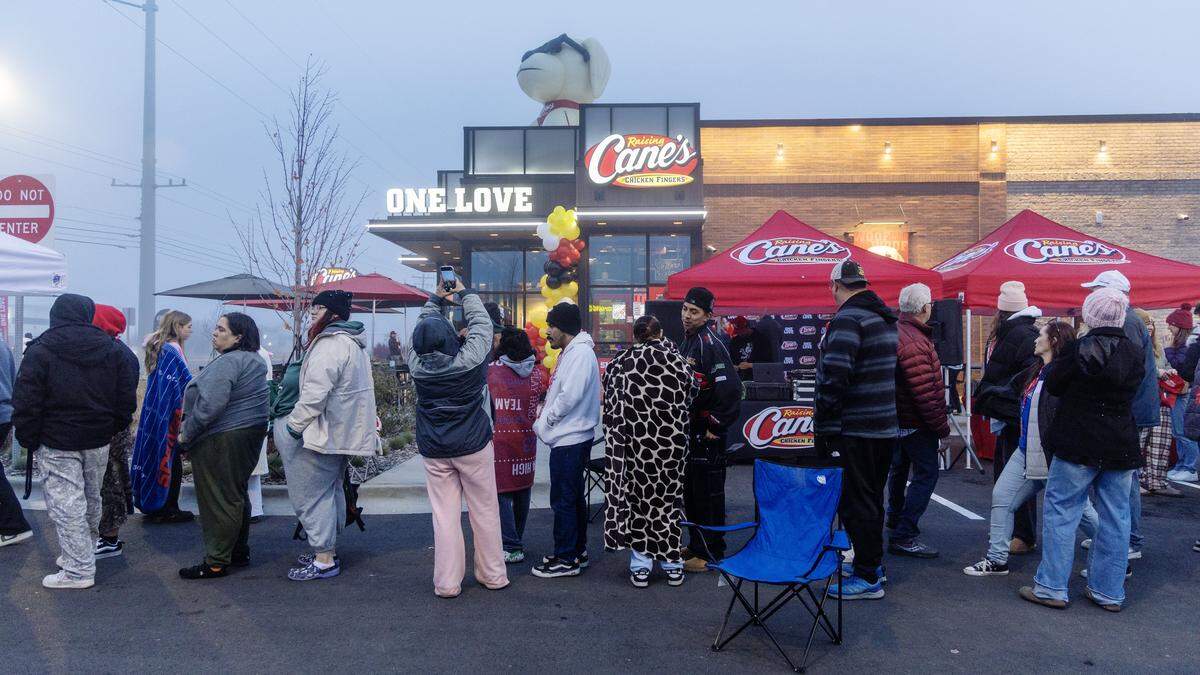
Now, the City Council will have final say over all drive-thrus with at least two stacking lanes, ordering areas, or pick-up windows. The planning commission will make recommendations to the council.
Commissioner Jared Smith explained in a January meeting why he believes that will result in better outcomes for residents and the city: “It should go to the elected body as the deciding vote, not some volunteers who have the honor of serving on a wonderful appointment.”
“There is an accountability structure there.”
The council unanimously agreed to the changes on Feb. 17 and codified them in March.