Flu cases remain ‘very high’ in Idaho. Now this virus is on the rise
Got a runny nose, cough or maybe even a fever?
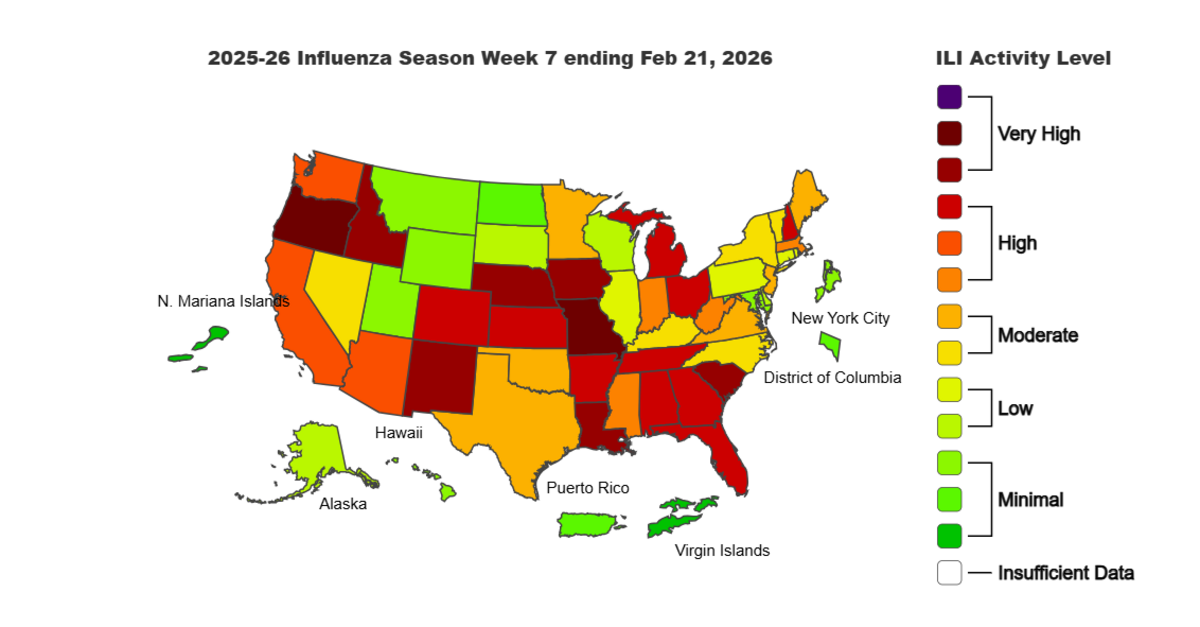
Flu cases are “very high” across much of Idaho, federal health experts say, and another respiratory virus is on the rise as well.
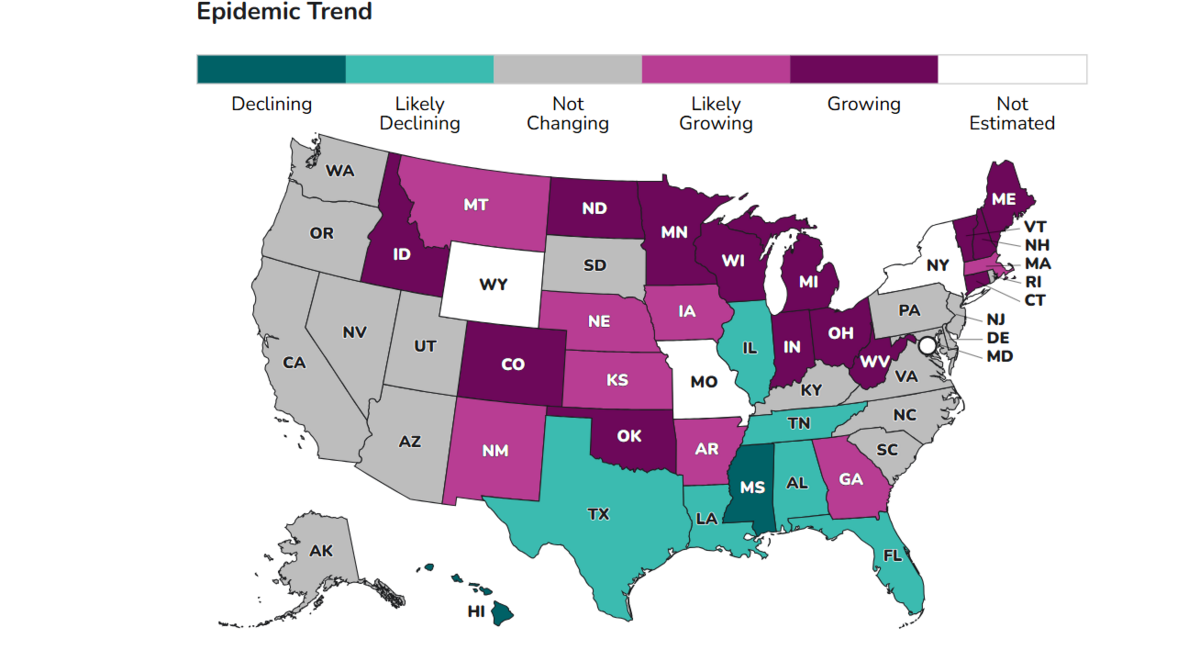
Cases of respiratory syncytial virus, more commonly known as RSV, were “growing” in Idaho as of Thursday, March 5, according to the U.S. Centers for Disease Control and Prevention.
“RSV activity is elevated and increasing in some areas of the country,” the CDC said on its website, noting that wastewater activity levels for the virus across the nation were “moderate.”
“Wastewater can be tested to detect traces of infectious diseases circulating in a community, even if people don’t have symptoms,” the CDC said. “You can use these data as an early warning that levels of infections may be increasing or decreasing in your community.”
What is RSV?
Respiratory syncytial virus is a common virus that infects the “nose, throat, repiratory tract and lungs”, according to the CDC.
RSV usually causes “mild, cold-like symptoms,” the CDC said. “RSV symptoms are not specific, which makes it difficult to distinguish RSV from the common cold or other respiratory viruses” such as influenza.
According to the CDC, RSV spreads during the fall and winter, and normally peaks in December and January.
However, the virus is on an upwards trend as spring approaches.
RSV can lead to secondary infections including bronchiolitis or pneumonia, which both affect the lungs, the CDC said.
What are common RSV symptoms?
Symptoms of RSV, COVID-19 and the flu “are similar and may include fever, cough and shortness of breath,” the National Foundation of Infectious Diseases said.
According to the CDC, people usually show symptoms of RSV within four to six days after getting infected.
Those symptoms, which usually appear in stages, include:
- Runny nose
- Congestion
- Loss of appetite
- Coughing
- Sneezing
- Fever
- Wheezing
How is RSV spread?
The CDC said RSV can be spread in several ways, including when an infected person coughs or sneezes.
You can also be exposed to RSV if you come in direct contact with someone who has RSV or touch a contaminated surface, the CDC said.
Who is most at risk of RSV?
Although RSV doesn’t usually “cause severe illness in healthy adults and children,” the CDC said other groups face more serious risks.
“Infants younger than 6 months of age and adults who are older or have certain risk factors, can become very sick and may need to be hospitalized,” the federal health agency said.
In severe cases, infected people may need medical assistance to help them increase their oxygen levels, stay hydrated or even breathe.
How is RSV different from the flu?
Variations of RSV have “decreased over the last two decades,” according to a study in the National Library of Medicine.
Meanwhile, there are several strains of the flu circulating.
“Seasonal flu is a contagious respiratory illness caused by influenza viruses that infect the nose, throat and lungs,” the Idaho Department of Health & Welfare said. “It can cause mild to severe illness and at times can lead to death.”
Flu symptoms appear abruptly, and can include fever, cough, store throat, headaches, muscle aches, vomiting and diarrhea, according to the CDC.
“Complications of flu can include bacterial pneumonia, ear infections, sinus infections and worsening of chronic medical conditions, such as congestive heart failure, asthma or diabetes,” the CDC said.
According to the health department, the flu can evolve rapidly and spread quickly, making pandemics a “serious” concern.
How can I avoid getting sick?
The best way to “to protect yourself and loved ones this season” is to include preventative practices in your daily life, the American Lung Association said on its website.
“Though these illnesses can be mild, there are many factors, including having chronic lung disease that can increase your risk for severe illness,” the association added.
According to the American Lung Association, here are some “primary strategies” to avoid falling ill:
- Keep up with vaccines
- Frequent handwashing
- Cover coughs and sneezes
- Regularly clean high contact surfaces
- Monitor air quality
- Discuss treatment options with a primary care physician
- Stay home if symptoms show
The American Lung Association also encourages wearing a mask in public spaces, maintaining a healthy distance from others and testing for infections when symptoms show.
RSV infections can be spread a few days before you show symptoms and then up to eight days after you first feel ill, according to the CDC. “However, some infants and people with weakened immune systems can continue to spread the virus for 4 weeks or longer, even after they stop showing symptoms.”
If you’re feeling under the weather, contact your doctor, take fever-reducing medication if needed and do your best to stay hydrated, federal health experts say.
Can I get vaccinated against RSV?
The U.S. Food and Drug Administration has approved three RSV vaccines for adult use.
“These vaccines work by causing an immune response that can protect you from severe respiratory disease if you get RSV in the future,” the CDC said. “There is no preference for which vaccine you should receive.”
These vaccines have proven to be between 65% to 95% effective against the virus, studies show.
Unlike flu vaccines, which are administered yearly to most adults, RSV vaccines remain effective for longer than one year and are only recommended for adults who are “at risk,” according to the CDC.
The CDC also recommends that pregnant women and at-risk children ages 8 to 19 receive RSV vaccines.