Crisis standards: Kootenai doctor details ‘extreme strain’ from Idaho’s COVID-19 surge
READ MORE
Idaho crisis standards of care
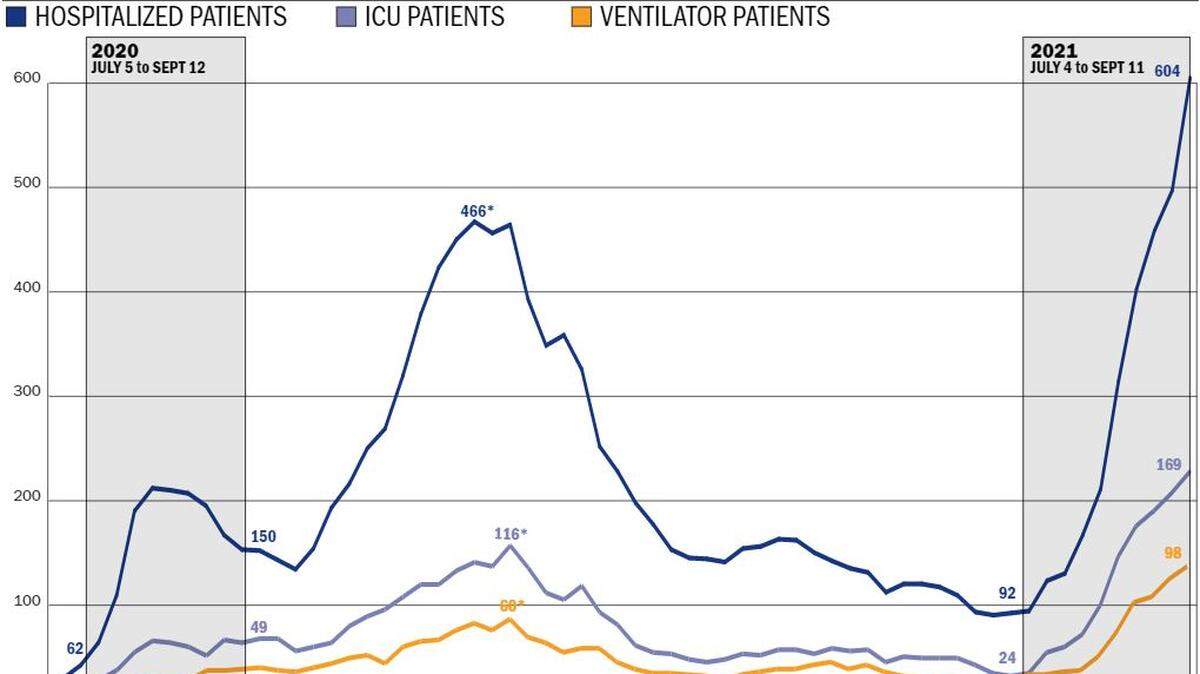
The Idaho Department of Health and Welfare announced that it has activated crisis standards of care statewide, allowing hospitals to strategically ration health care if they become overwhelmed.
Expand All
A COVID-19 surge has prompted North Idaho to ration health care, and Idaho state officials continued to paint a stark message on Tuesday, urging the public to get vaccinated, wear masks and socially distance — before Idaho’s crisis standards of care plan spreads to a statewide measure.
Health officials also urged the public to be more careful: Wear a seat belt; be cautious about bike rides; avoid high-risk activities that could lead to an emergency room visit.
Department of Health and Welfare Director Dave Jeppesen implemented the crisis standards regionally Tuesday, affecting two public health districts in North Idaho, upon request of Kootenai Health in Coeur d’Alene.
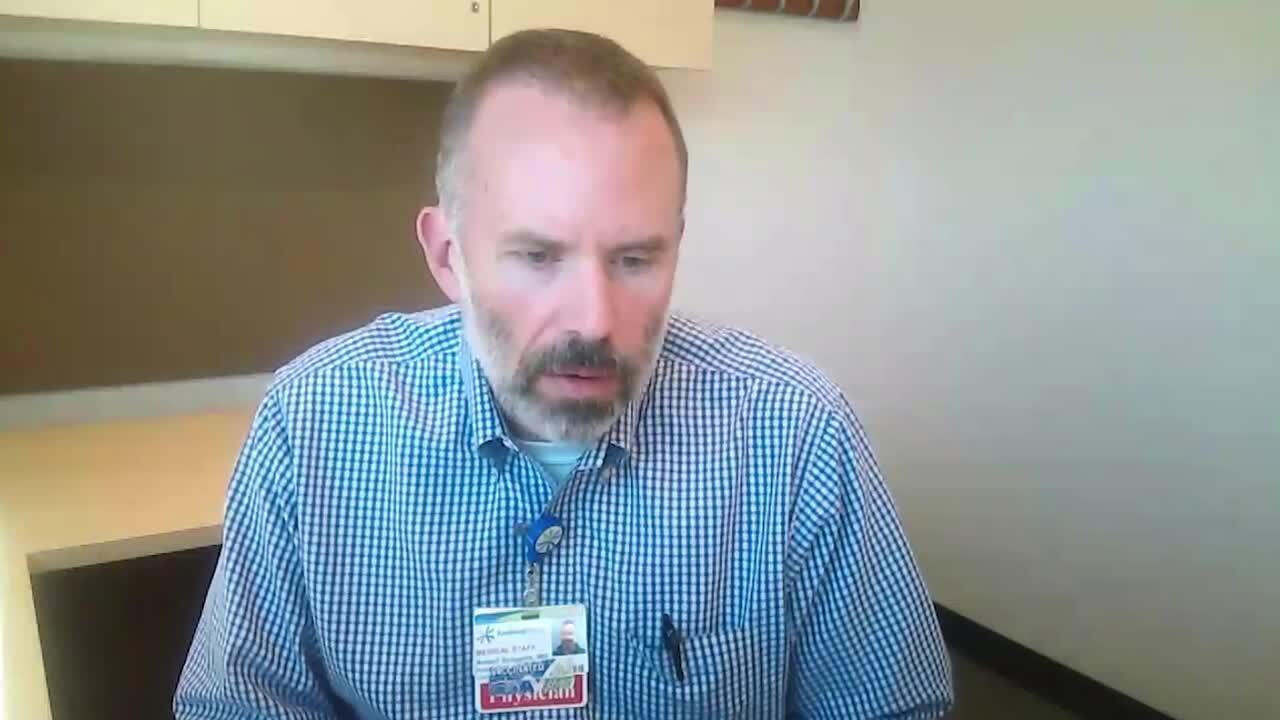
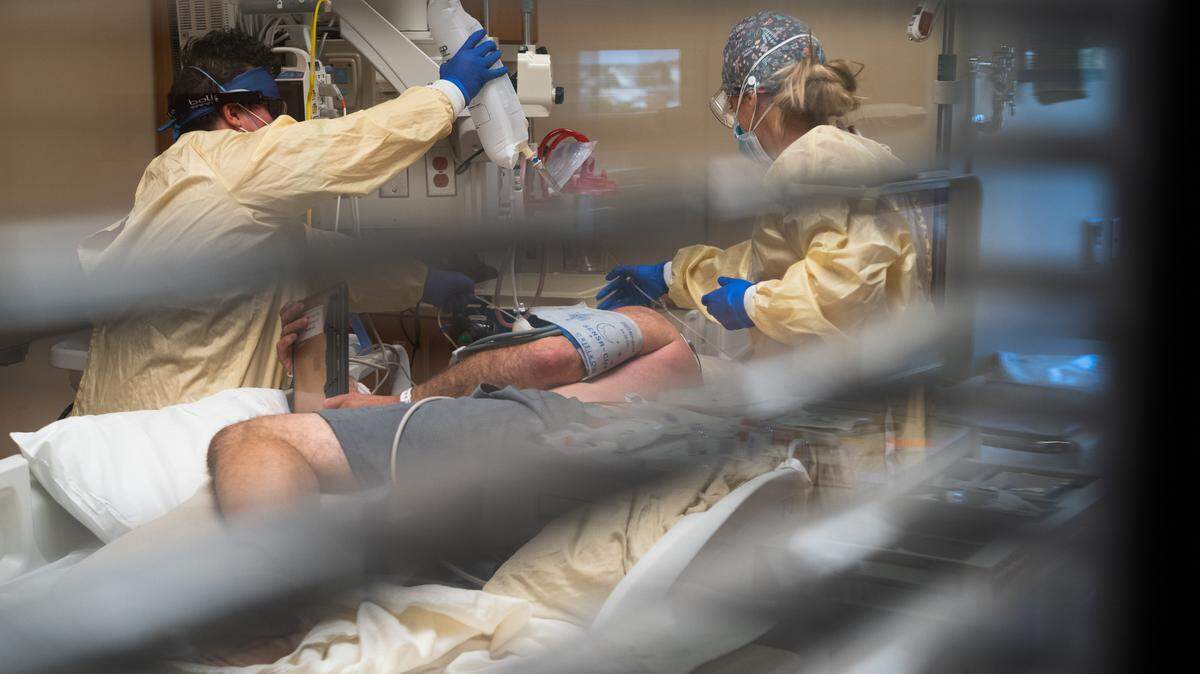
Dr. Robert Scoggins, of Kootenai Health, described to reporters Tuesday the situation in his hospital, which made the crisis request on Monday. The hospital hit its peak of 113 COVID-19 patients that day. It currently has 39 COVID-19 patients in intensive care, 19 of whom are on mechanical ventilators as a last resort, he said.
Normally the hospital has 26 ICU beds, Scoggins said. The hospital has converted 32 surgical beds into ICU beds and now averages about one ICU nurse for every six patients, he added. Kootenai Health’s largest conference room was also converted into overflow ICU space, according to the hospital.
Crisis Care means longer wait time
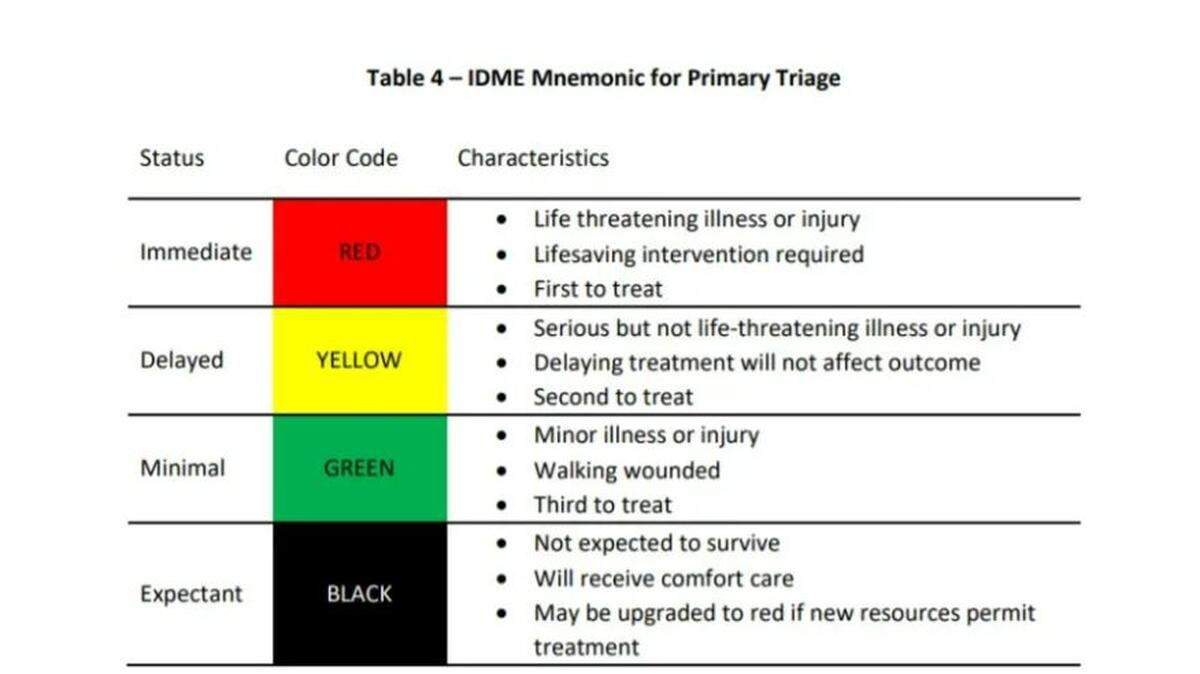
Crisis standards are a plan that rations health care to maximize the number of lives saved. The protocol set by a committee last year prioritizes patients, both with or without COVID-19, likely to make it out of the hospital. Despite Gov. Brad Little deploying a medical team from the Department of Defense to Kootenai Health, and additional contract workers, the hospital still needed the crisis standards implemented.
Jeppesen said that hospitals across the state line, in Spokane, Washington, were also full and unable to help. Idaho hospitals were close to implementing crisis standards last fall, but were able to avoid it.
“It’s put an extreme strain on our resources,” Scoggins said. Those who come to the hospital should expect longer waits to get into the ICU, triaged patients outside the ER and treatment in nontraditional spaces, he said.
Scoggins said he’s seen young unvaccinated patients with no underlying health conditions die of COVID-19. The vast majority of hospitalized patients, about 90%, are not vaccinated against COVID-19, he said.
North Idaho’s Kootenai County has a COVID-19 vaccine rate of about 41% among those 12 and older, according to the state. The statewide figure is 49%, while the national average is 62%.
“It’s quite disturbing to see these patients declining, and they’re what I would consider healthy,” Scoggins said. “They’re normal, everyday North Idaho people.”
Vaccinated patients who do get hospitalized are typically immunosuppressed, such as patients with cancer, Scoggins said.
Jeppesen said Tuesday that the activation committee had a “lengthy debate” about whether to implement the crisis standards statewide. Ultimately it decided there’s “just a little bit of wiggle room left in the rest of the state.
“But I want to emphasize, not much,” he said.
He called the decision to move to crisis standards one that he was “fervently hoping to avoid.”
Multiple North Idaho health systems affected
Several health care systems are affected by the move. In the Panhandle district, those systems are the Benewah Community Hospital, Bonner General Hospital, Boundary Community Hospital, Kootenai Health and Shoshone Medical Center. In the North Central district, the health systems are Clearwater Valley Hospital and clinics, Gritman Medical Center, St. Joseph Regional Medical Center, St. Mary’s Hospital and clinics, and Syringa Hospital and clinics.
Idaho Gov. Brad Little on Tuesday continued his plea for Idahoans to help out their fellow residents and health care workers by getting vaccinated.
“We have reached an unprecedented and unwanted point in the history of our state,” he said in a news release. “We have taken so many steps to avoid getting here, but yet again we need to ask more Idahoans to choose to receive the COVID-19 vaccine.”
This story was originally published September 7, 2021 at 5:57 PM.


.jpg)