
Yes, sometimes the spotlight really is on you. Here’s how to make the best of it
A while ago I wrote about the spotlight effect. We think that the world is looking at us and that people notice what we say and wear and do, when most of the time people do not take much note.
But sometimes they do.
A good friend and I talked recently about a mentor program we participated in a decade ago for the Boise Young Professionals. We met with groups of 10-12 professionals weekly to discuss topics of their interest. Her group focused on leadership. Mine discussed creativity. In the years since we lost track of most of the participants, but we remembered how much we’d enjoyed the experience.
A few participants sent emails, sometimes long after the program ended. Each of us heard from one or more people from our groups, commenting on a topic or point of discussion that had come up. One person wrote me after one of my Idaho Statesman columns to bring me up to date on his career. My friend reconnected with a participant who’s since become a good chum.
My friend and I were astounded that some of these folks mentioned specific sessions or ideas that they remembered from the conversations we had. We were surprised, too, that people remembered us after so much time.
That got us thinking.
Even though we should avoid feeling that the spotlight is always on us, sometimes it is. People may remember specific insights and experiences long after they happen, even if we do not.
I remember the one time I got praise from one of my scariest (and best) professors when I was a young student. “Good point” she wrote on a paper. That meant the world to me, since she so rarely complimented anyone.
Then the tables turned. As a professor myself, I’ve had students come back and say similar things: “You made a comment on the side of my paper that I’ve never forgotten.” “You said this to me in class (or in a coaching session, or when we had coffee on a break). It changed the way I thought about that.”
Or the one I hate the most: “You gave me the lowest grade I’ve ever gotten.” Oh my, don’t we all remember those grades.
Our takeaway is not to take ourselves too seriously but always to be aware that others might remember something small from years before.
This makes me remember to try and be on my best behavior, just in case someone really does notice.
If we make an impact, let’s make it a good one.
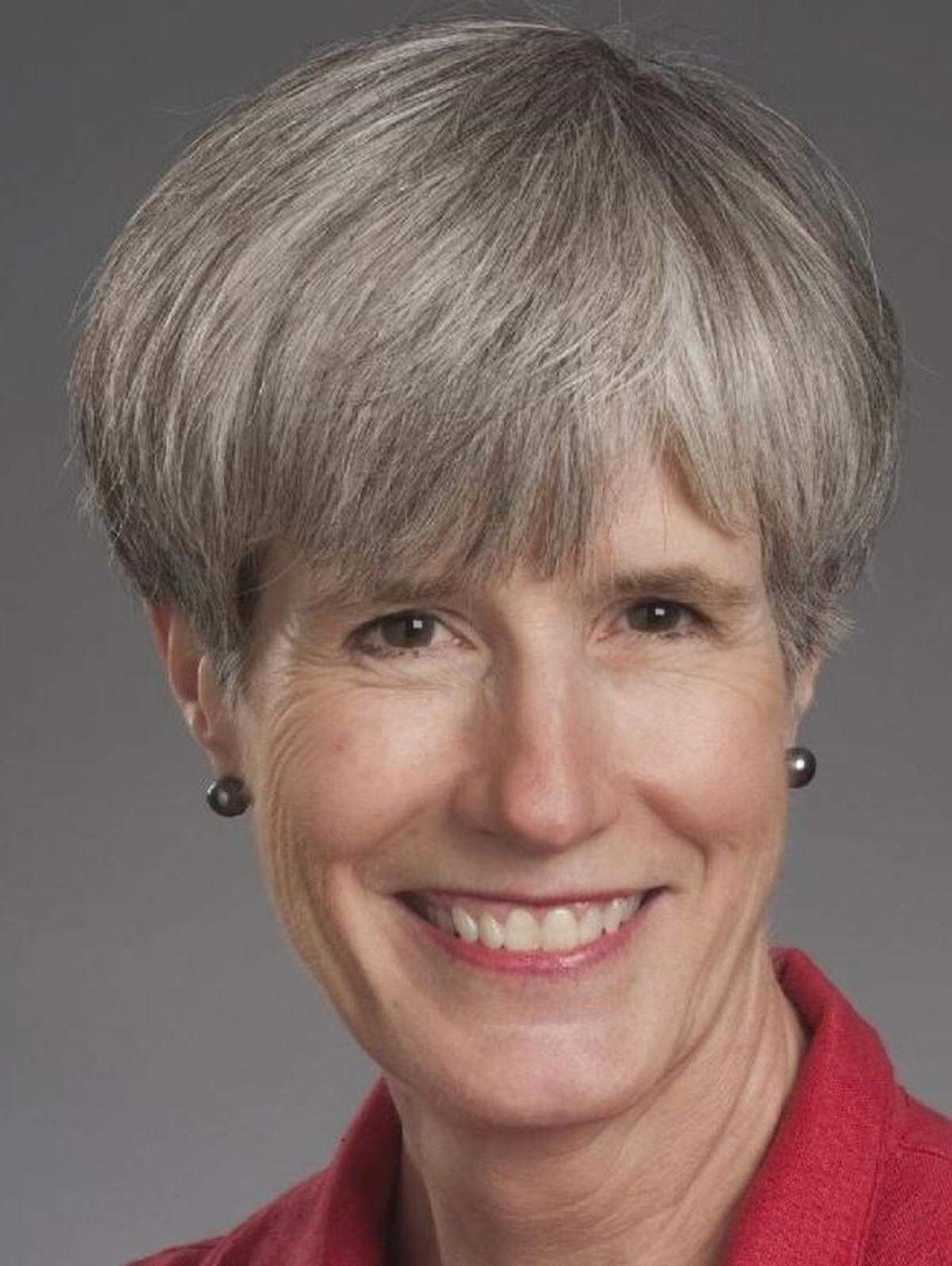
Nancy Napier is a distinguished professor emerita and coach for the executive MBA program in the College of Business and Economics at Boise State University in Idaho. nnapier@boisestate.edu. She is co-author of “The Bridge Generation of Vietnam: Spanning Wartime to Boomtime.”
This story was originally published July 24, 2023 at 4:00 AM.