Idaho Power wants to build two natural gas power plants. Here’s where and why
AI-generated summary reviewed by our newsroom.
- Idaho Power submitted an application to state regulators to build two natural gas plants.
- The South Hills plant is planned to be operational in mid-2029 and Peregrine in mid-2030.
- The company says the plants are the best option to address projected capacity deficits.
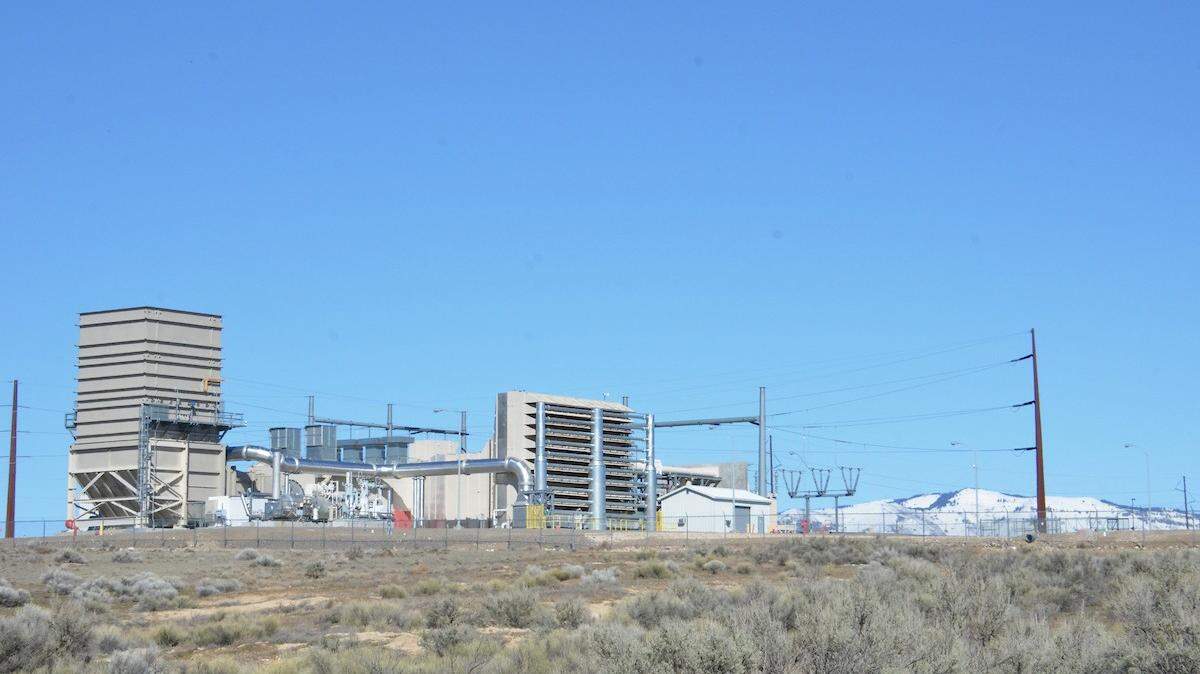
Idaho Power is asking state regulators for permission to build two natural gas power plants in Southern Idaho to meet fast-growing demand for electricity in its service area.
The company says it needs the plants to avoid capacity shortfalls expected to begin in 2029.
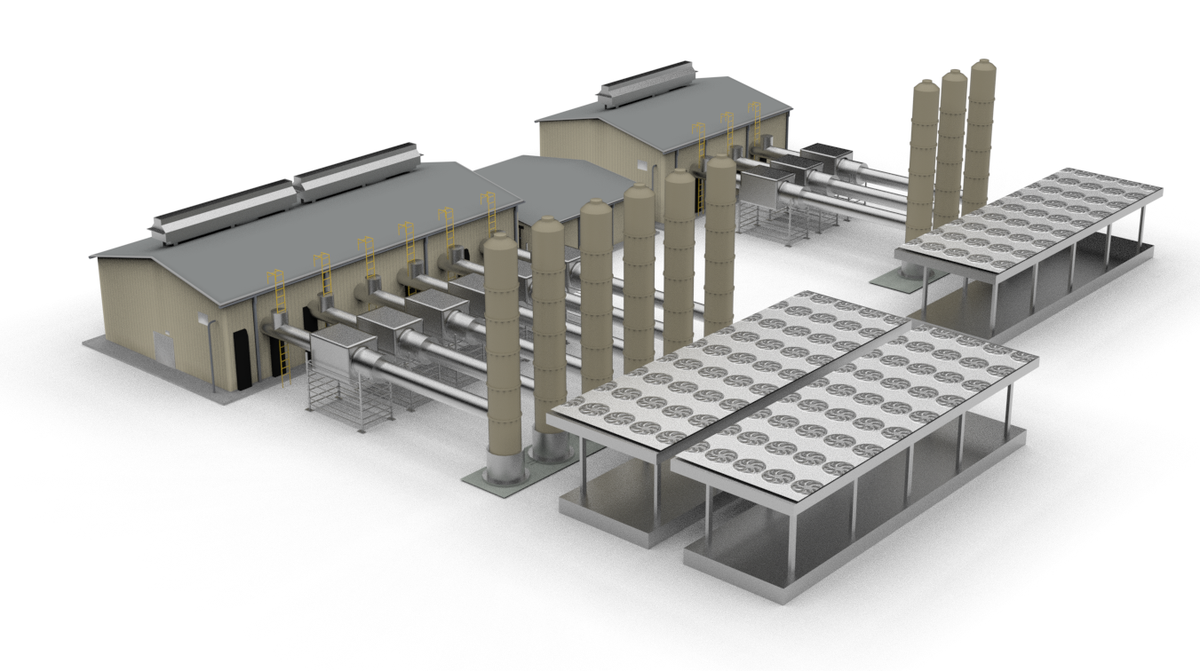
It plans to build the South Hills Power Plant in Twin Falls County and the Peregrine Power Plant in Elmore County. Idaho Power says the natural gas-fueled plants are the cheapest and least-risky option to address the anticipated capacity deficits.
The South Hills plant, estimated to become operational in mid-2029, is designed to provide 222 megawatts of electricity. The Peregrine plant, to become operational in mid-2030, would provide 430 megawatts of electricity. Idaho Power submitted an application seeking certificates of public necessity to build the plants, according to a news release from the Idaho Public Utilities Commission.
“We’re responding to continued rapid growth across our service area and leaning into a diverse resource mix that will enable us to continue providing reliable, affordable service,” Brad Bowlin, a spokesperson for Idaho Power, told the Idaho Statesman by email.
Hydropower, a renewable energy source that generates electricity via flowing water, remains the company’s largest single energy source, accounting for about 37% of the total energy delivered to Idaho Power customers in 2025, though that amount can vary depending on water conditions and other factors, Bowlin said.
Natural gas made up nearly 23% of the company’s energy mix, and wind and solar were about 18% combined.
Idaho Power is phasing out of coal altogether, planning to finish transitioning its Jim Bridger Power Plant in Wyoming to natural gas by the end of 2030. Two of the four generating units at the plant have already been converted, Bowlin said.
“Gas-fired power generates significantly less CO2 and nearly eliminates other emissions relative to coal-fired plants,” he said.
The natural gas power plants it hopes to build in Southern Idaho are subject to approval by the commission. Idaho Power didn’t propose any rate increases in its application.
If the projects are approved, customer rates wouldn’t be affected until the plants are in service. But several factors could influence the timing and magnitude of future rate changes. Bowlin said the company isn’t able to provide an estimate of how customer rates might eventually be impacted.
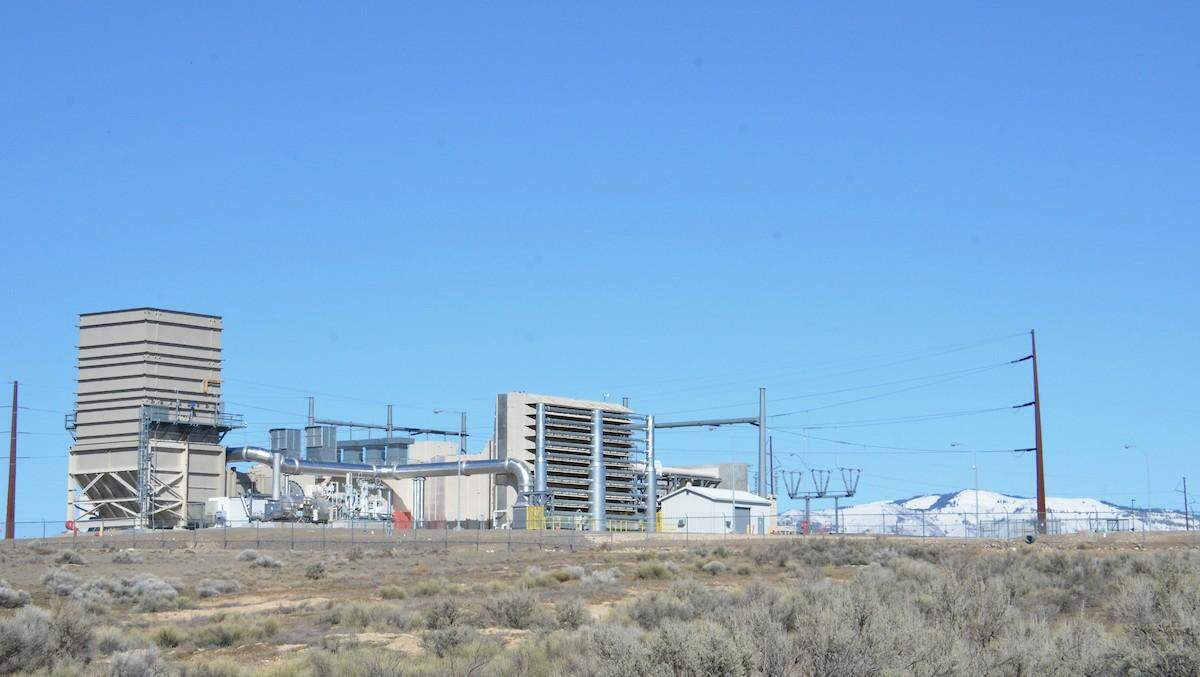
Once the plants come online, they would be the most efficient natural gas-powered units on Idaho Power’s system.
“We expect to use them on a regular basis,” Bowlin said. “Natural gas is highly flexible with its ability to come online quickly and ramp up or down as needed, so it will complement the existing system very well. Idaho Power also has significant hydro, solar, wind, and storage resources, which will be maximized first.”
The plants would be particularly useful for meeting peak demand in the winter months, when solar and batteries are not as effective.
Idaho Power has added 460 megawatts of solar capacity to its system since 2023, with another 225 megawatts scheduled to come online this year and next. The company has also added more than 450 megawatts of battery storage, and plans for about 350 megawatts of additional capacity as customer demand continues going up.
The company operates 17 hydropower facilities on the Snake River and its tributaries, and also buys hydropower seasonally from 68 small-scale projects across its service area, according to Bowlin.
“While additional hydro power would be great, Idaho Power does not see any feasible additional hydro opportunities in the near future,” he said. “Natural gas resources are ideal for adjusting to the variability of those renewable sources to ensure we continue to meet our customers’ need for safe, reliable, affordable energy.”