This historic mining deal gives the Shoshone-Paiute Tribes a ‘seat at the table’
AI-generated summary reviewed by our newsroom.
- Integra Resources and Sho-Pai reach first mining pact in lower 48 for co-management.
- Agreement grants Sho-Pai environmental oversight, jobs, training and revenue sharing.
- Joint advisory group forms to monitor mine operations with tribal representation.
The Shoshone-Paiute Tribes have grown accustomed to being an afterthought to companies mining for precious metals in their ancestral homelands.
They’re not alone. Earlier this year, a hotly contested gold and antimony mine in Central Idaho won final approval from the U.S. Forest Service despite environmental objections from the Nez Perce Tribe, which had previously sued over alleged Clean Water Act violations and will lose access for decades to federal lands guaranteed by a U.S. treaty.
But a gold and silver mine in Southwest Idaho appears to be bucking the trend.
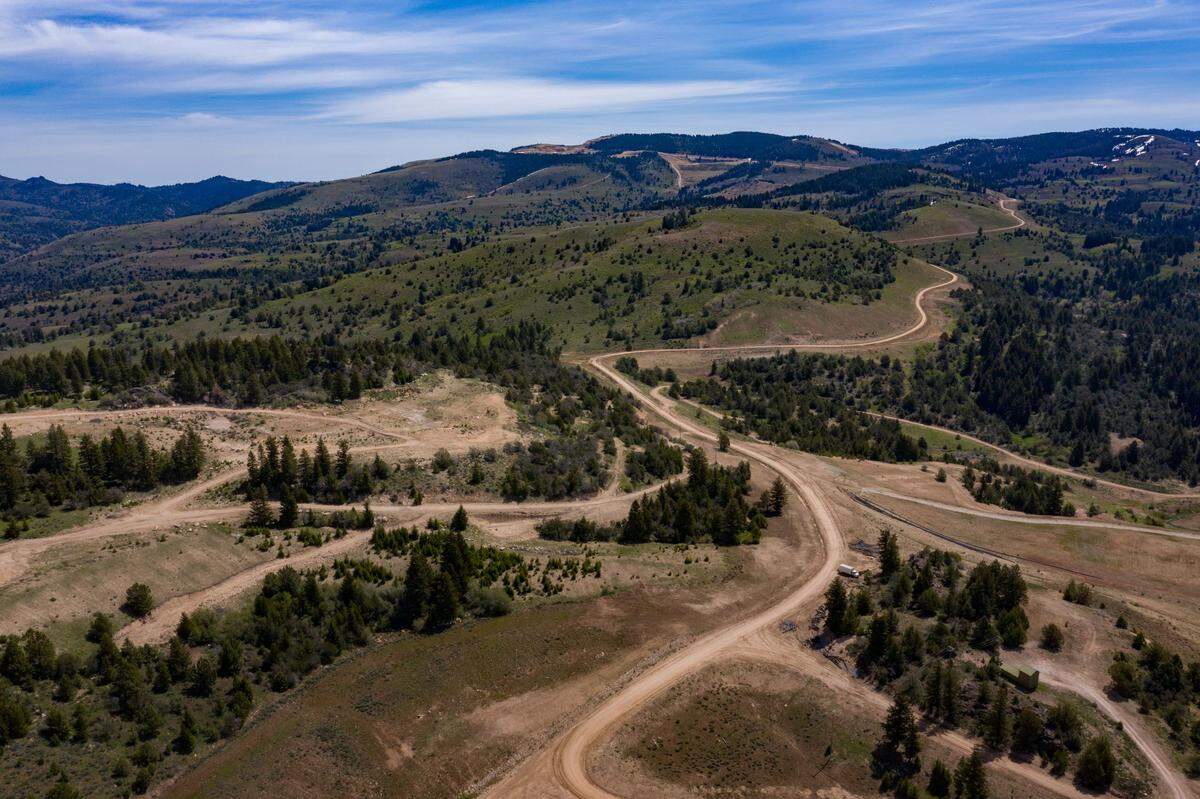
A Canadian mining company and the ShoPai have announced an agreement that makes the tribes a partner in managing the environmental impacts of the site throughout the life of the mine and its reclamation period, the process of restoring land and waterways disturbed or degraded by mining. The DeLamar Project in Owyhee County is an open-pit mine that Integra Resources acquired in 2017.
“Tribal nations are often an afterthought and not considered in operational plans unless litigation or government intervention occurs,” Marco Ovando, public affairs officer for the Sho-Pai, told the Idaho Statesman. “Integra actually reached out to the tribes first.”
The deal also allows the Sho-Pai to benefit economically, the tribe and the company said Friday in a news release. Ovando said by email that the deal will provide tribal members with employment, training, contracting opportunities and revenue-sharing mechanisms to directly benefit the tribes.
DeLamar boomed in the late 1800s when gold and silver deposits were first found in the area, according to the National Register of Historic Places. Mining resumed in the 1970s, when Earth Resources Corp. established the open-pit mine, and continued into the late 1990s. Integra plans to resume operations again using the heap leach method, where valuable metals are extracted by dissolving heaps of ore in a chemical solution for weeks or months, according to Science Direct.
Integra has told investors that it thinks the mine could produce the monetary equivalent of 136,000 ounces of gold over its projected eight-year life. At Monday’s spot gold price of $3,348.60, that’s more than $455 million.
Ovando told the Statesman that terms of the deal with Integra are confidential, so it’s unknown how much of the mine’s revenue the tribes would receive.
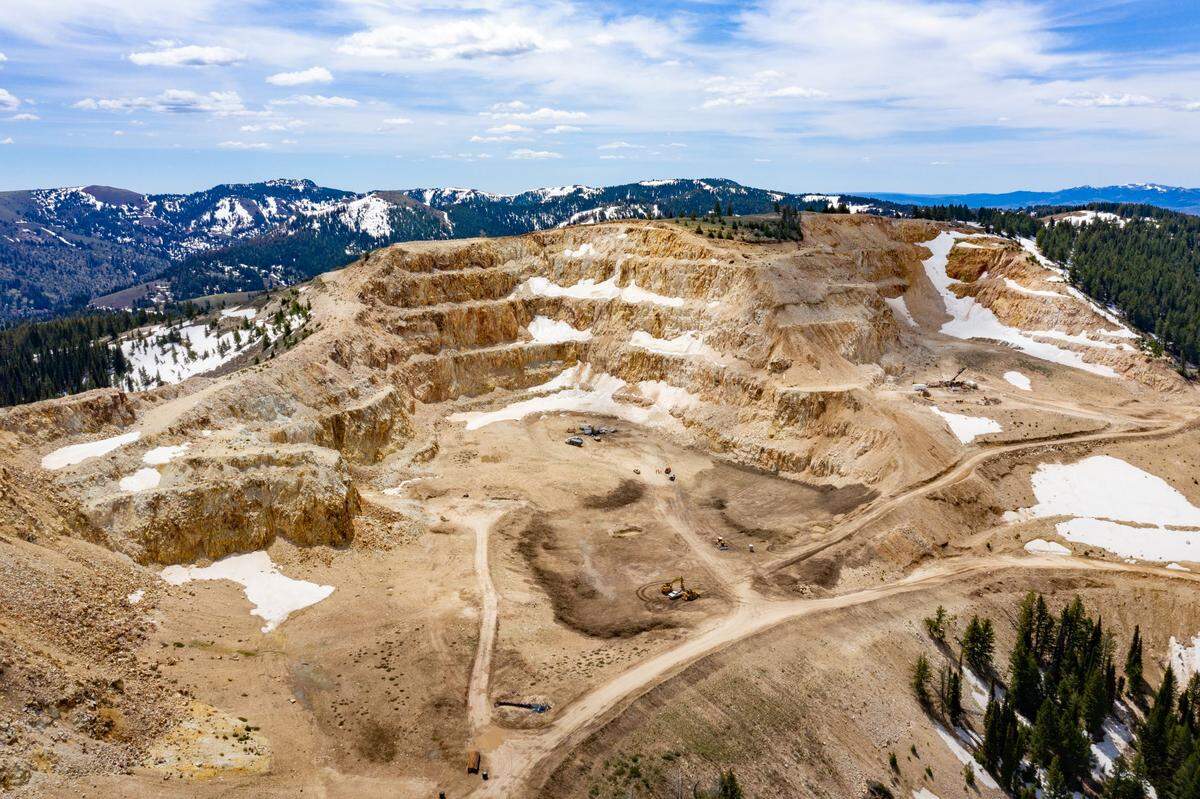
Integra said in an earnings release on Aug. 13 that it expects an environmental review to begin before year end by the U.S. Bureau of Land Management and cooperating federal and state agencies.
The mine sits just north of the Duck Valley Reservation on the Sho-Pai’s homelands, an area their ancestors were forcibly removed from over a century ago when Europeans colonized the West and corralled them into the remote reservation with little resources on the Idaho-Nevada border. Life at Duck Valley can be challenging, tribal leaders have said. That’s a big reason the Sho-Pai are planning their first casino off Interstate 84 between Boise and Mountain Home.
The off-reservation gaming operation could generate millions in revenue that the tribes could use to improve their quality of life back at Duck Valley. The Sho-Pai have about 2,300 members.
“We struggle with high unemployment, we don’t have access to adequate medical care and we can’t attract enough qualified teachers,” Brian Mason, chairman of the Sho-Pai Tribal Business Council, said in June at a blessing ceremony for the casino. “Tribal gaming can give us the resources we need to solve these problems.”
The agreement with Integra includes the creation of a joint committee to ensure accountability and transparency, according to Ovando. He hopes it can serve as a model for future agreements between mining companies and Native American tribes.
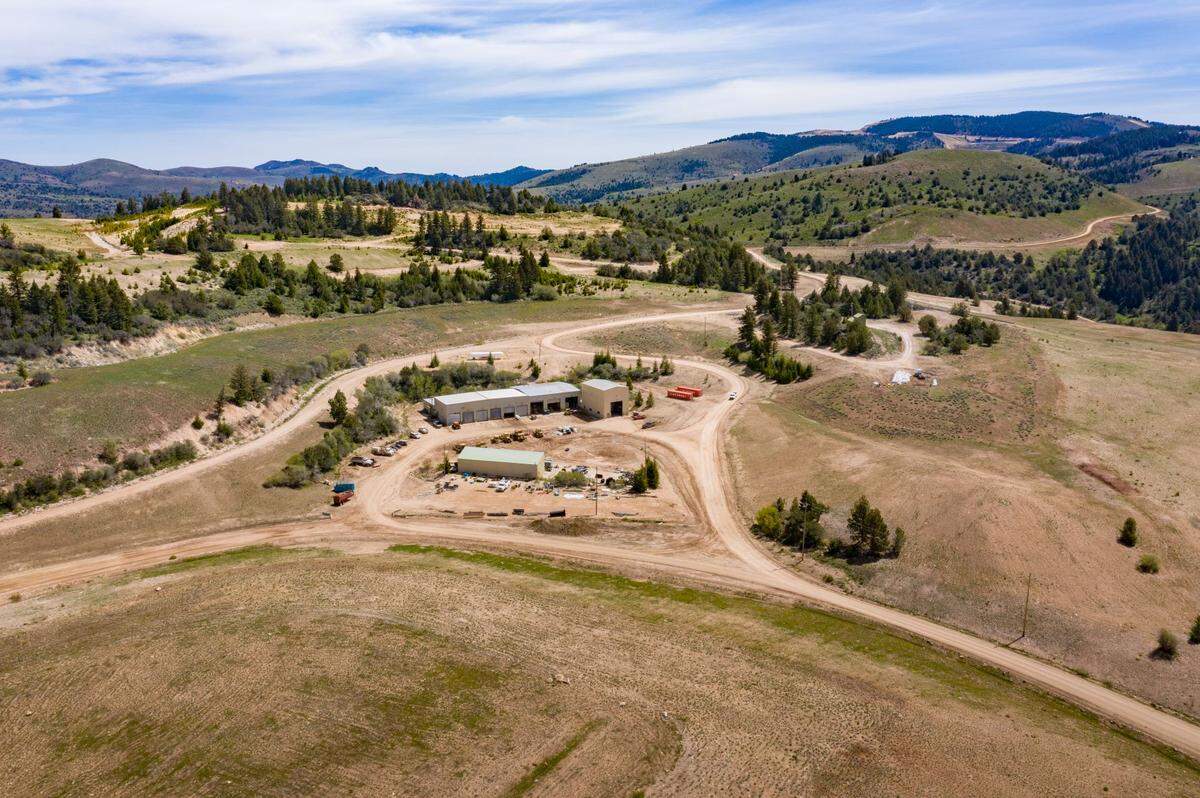
The deal is the first of its kind in the lower 48 states, according to a news release.
Ovando said the Sho-Pai weren’t the only tribal nation approached by Integra, since the reservation system separated its people amongst several reservations.
For example, members of the Shoshone-Bannock Tribes, based at the Fort Hall Reservation near Pocatello, are descended from some of the same tribes as the Sho-Pai, which is why both share the name Shoshone, a tribe that has long lived in the Great Basin and other parts of the Mountain West. The tribes were forcibly moved onto reservations by the U.S. government in the 19th century when silver and gold were discovered in the mountains north and south of Boise.
“We are the first to engage with Integra due to our knowledge of the field,” Ovando said. “This agreement essentially gives the Shoshone-Paiute Tribes a voice and seat at the table.”
Shares of Integra, which trades in the U.S. on the small-company NYSE American exchange, rose Friday, the day of the announcement, closing at $1.79, up 6.5% from Thursday’s $1.68.
The company is based in Vancouver, British Columbia, and maintains an office in Boise.
Business and Local Government Editor David Staats contributed.