Hunting, fishing, potatoes & peptides: A $27 million Idaho gem hits the market
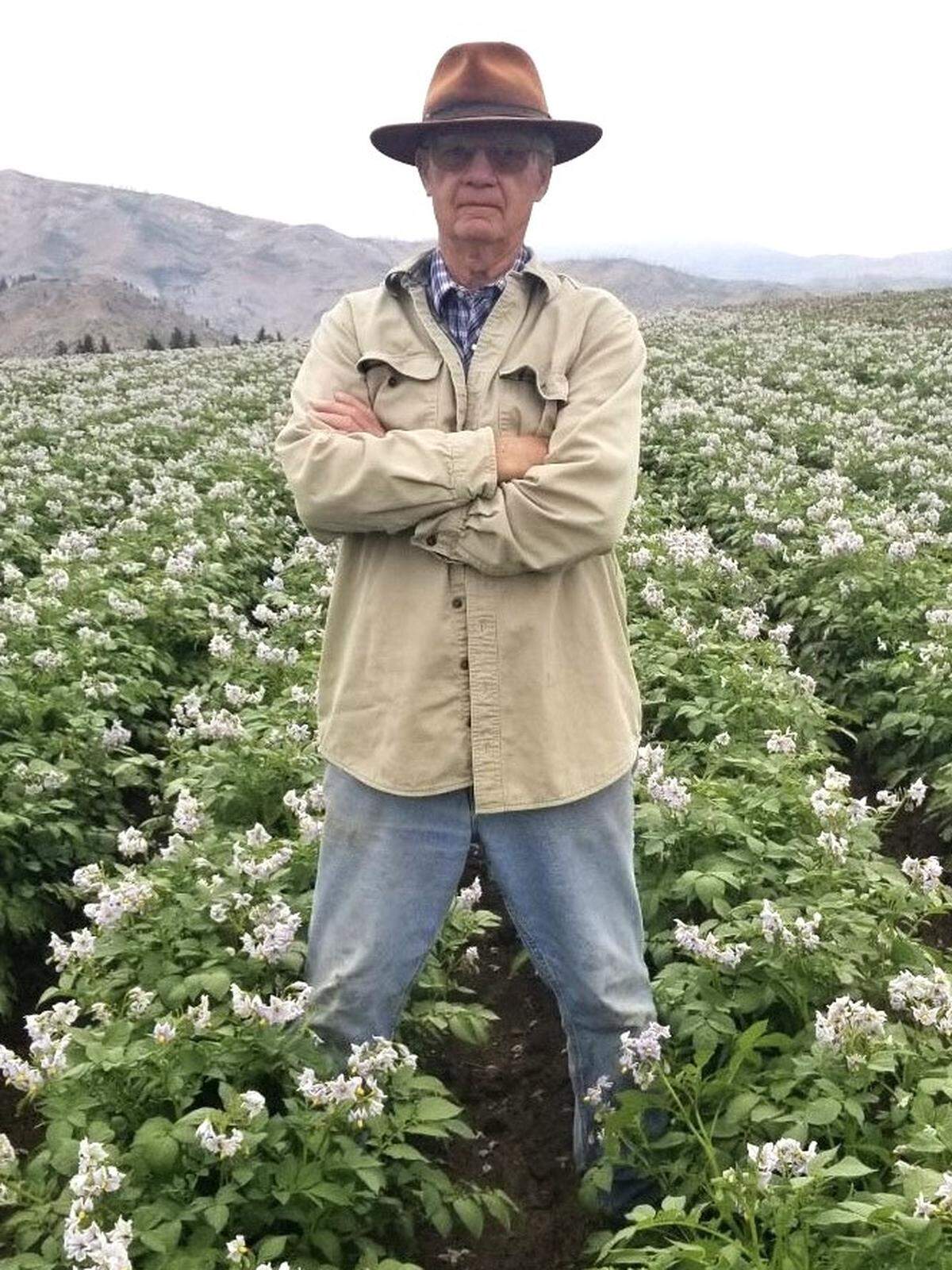
Don McFarland is 85 years old, but his eyes light up and he starts smiling like a kid when you mention potatoes or how he grows them on his property nestled into the base of the Boise National Forest..
McFarland’s life has revolved around the tubers. He seems to know more about them and their varieties than just about anyone. There are the red Gogu Valleys, the purple Bora Valleys, the Taedong Valleys from South Korea, common russets and reds and purples, Yukon Golds and his personal favorite — the Huckleberry Golds.
He gets ever more excited while talking about the future and million-dollar high-pressure machines that blast potatoes with hot temperatures to stretch the proteins. And how he is joining forces with scientists to extract materials that can then be used in everything from pharmaceuticals to product coatings in a worldwide market he says is worth more than $100 billion.
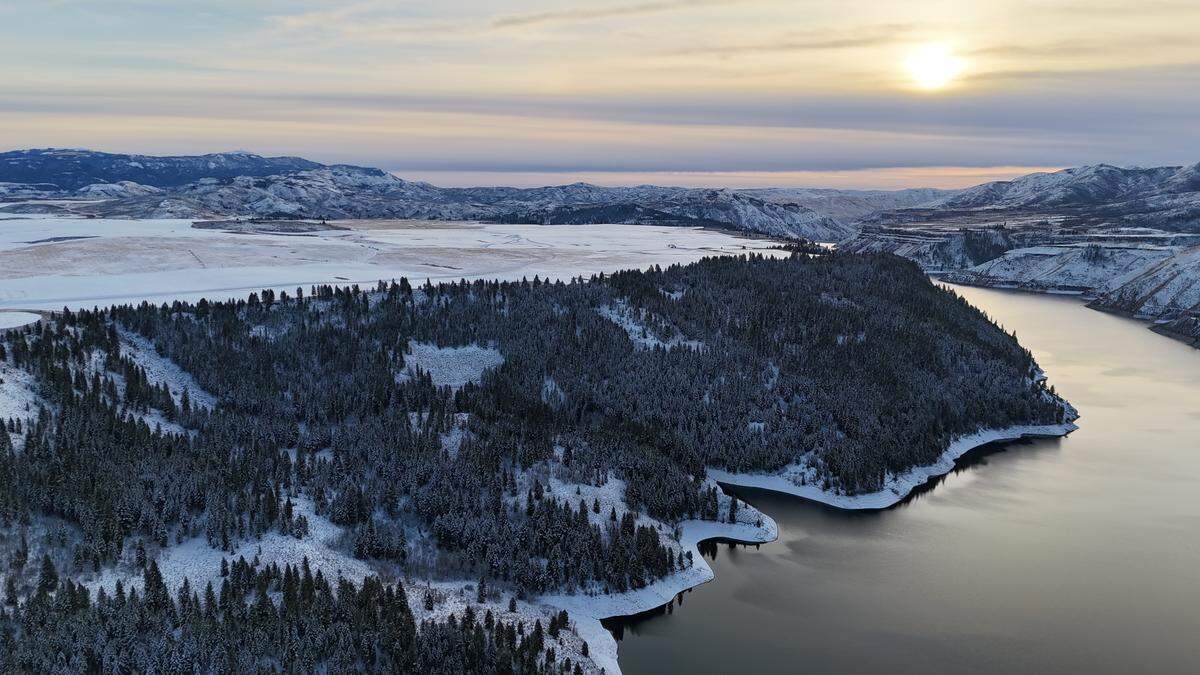
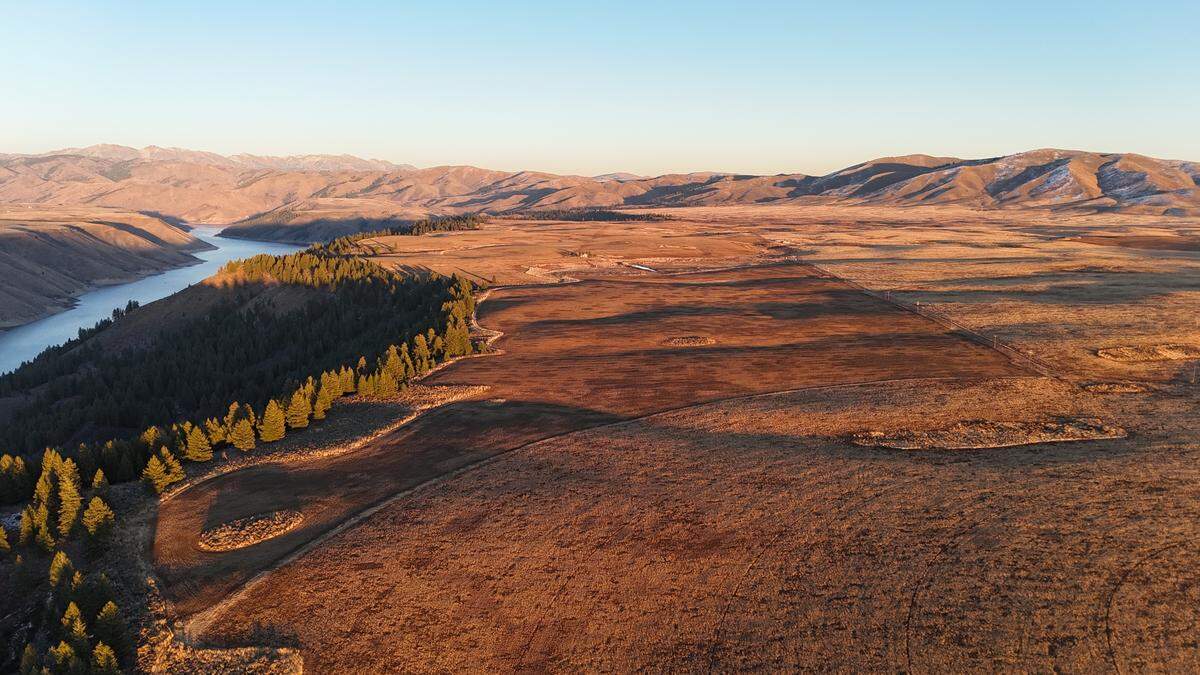
But as he looks toward the future, McFarland, the founder of Genesis Organics, is preparing to say goodbye to a 30-year project: his 4,000-acre organic potato farm 30 minutes northeast of Mountain Home, perched at 5,000 feet of elevation on a plateau above the Anderson Ranch Reservoir.
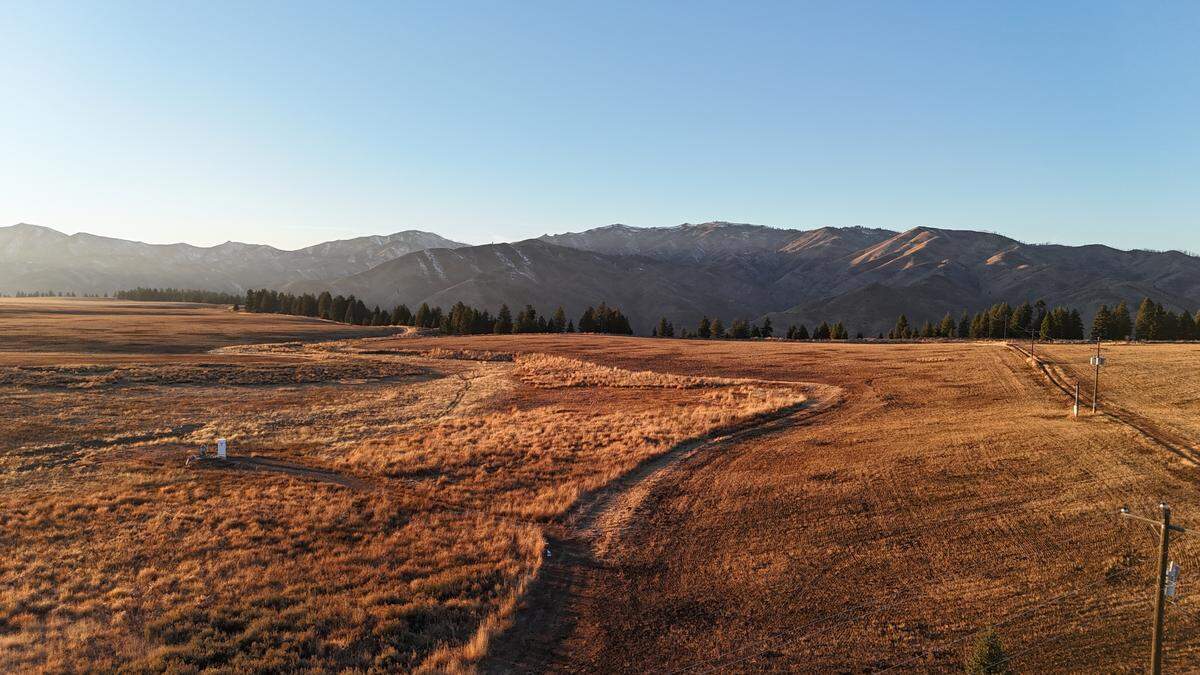
McFarland placed the Idaho land for sale, the crown jewel of his operations, in December for $27 million. The property, which sits about an hour-and-a-half drive between Boise and Sun Valley, is surrounded by mountains and overlooks the reservoir, with plenty of trout fishing and elk-hunting opportunities.
“It’s just unreal to go up there and drive around,” McFarland said in an interview. “People go up there, they don’t want to leave. They’ve never seen anything like it.”
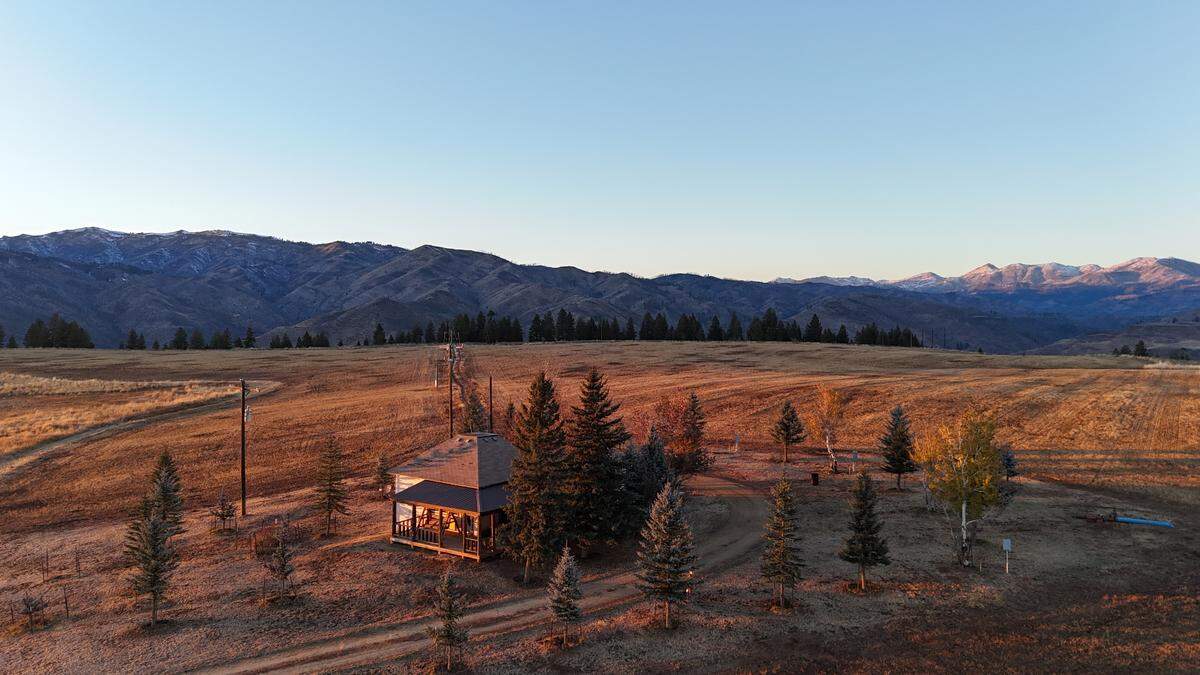
“There’s a feeling that you get on it that is just indescribable,” said Adam Deakin, a Boise-based broker with Wyoming’s Live Water Properties, who is representing McFarland on the real estate sale.
The mountain property includes three houses, two unfinished cabins, four potato cellars, five grain bins and an 85 foot by 40 foot shop, according to the listing.
Its acreage includes pasture, timber and a central sage brush knoll plus about 2,800 acres of organic farmland, according to the listing.
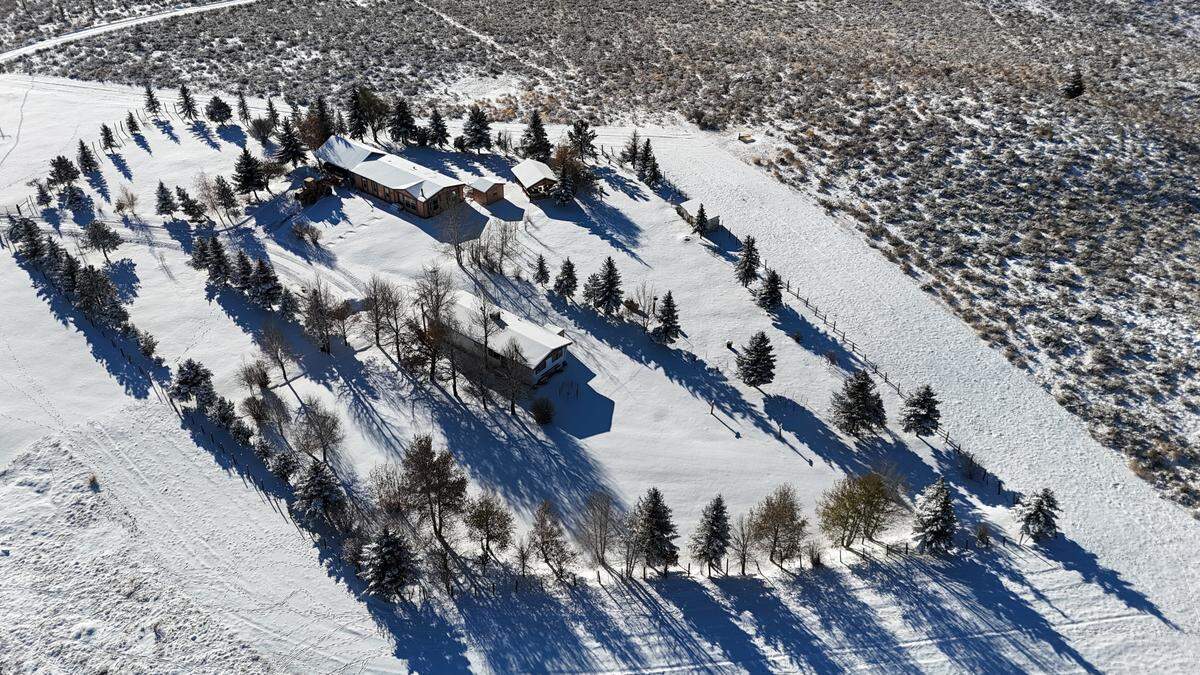
It sits north of Highway 20 and the Little Camas Reservoir, and Deakin said there is an abundance of outdoor recreation opportunities and a tremendous amount of wildlife.
“Just from a natural resources (and) recreation standpoint,” Deakin said, “you’re in an incredible part of the world split between Sun Valley and Boise.”
According to McFarland, “This property is not just a farm… It’s a legacy property.”
An Idaho outdoorsman’s paradise
According to Deakin, a hunter and angler, the wildlife is top-of-class.
About 300 to 400 elk inhabit the property in the August-to-December hunting season, he said. There are also abundant mule deer, antelope, moose and water fowl.
“The wildlife in the place is absurd,” he said.
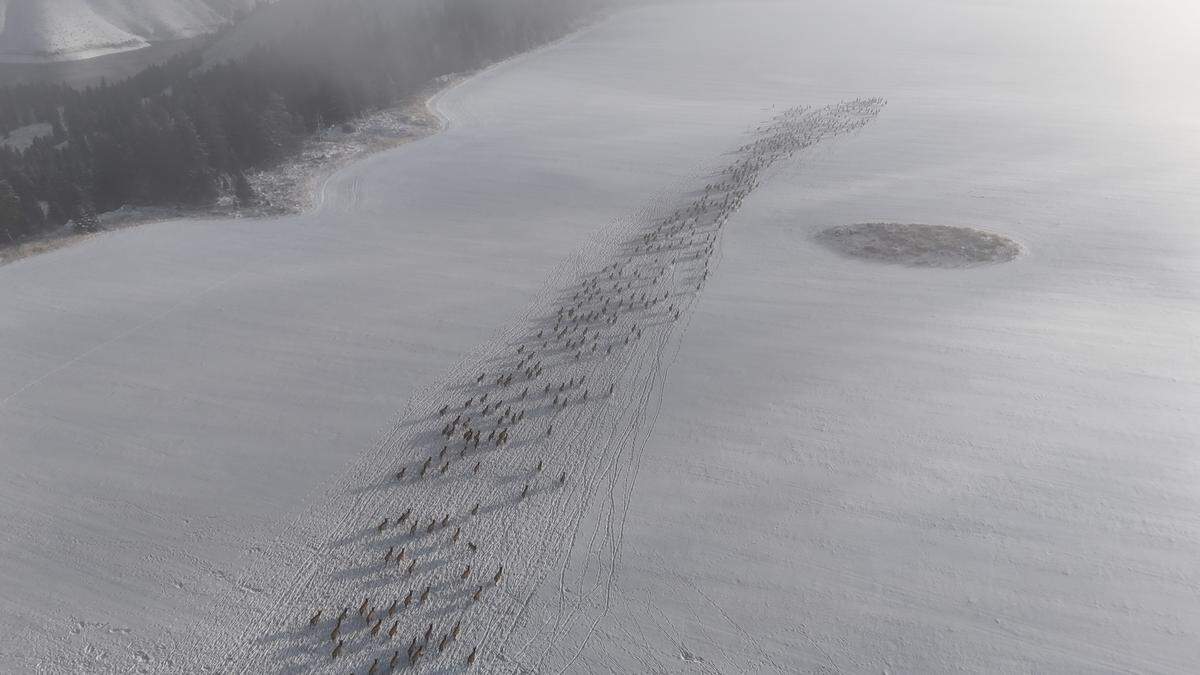
The land sits in the Idaho Department of Fish and Game’s Unit 44, in the Smoky-Bennett Zone known for trophy elk and deer hunting. Only 3% of those who applied to hunt elk there in 2020 and 9% in 2021 landed tags, according to Idaho Fish and Game.
As a landowner, Deakin said, McFarland is able to draw tags every year because he can apply for both the public lottery and the private landowner appreciation program. The program gives landowners better odds at drawing tags in exchange for providing habitat for wildlife.
McFarland, though, says he has never fired a shot on the property.
“I got my permit to kill a bull, but I didn’t want to kill a bull,” he said. “It just… breaks my heart to see it happen.”
He said he’d butted heads with Fish and Game when officials wanted to reduce the number of elk, but McFarland said he prefers seeing them in the wild.
“We just try and manage the farm to where they don’t do intolerable damage,” he said. “And they can — especially if the ground is wet and the whole herd goes through a potato patch.”
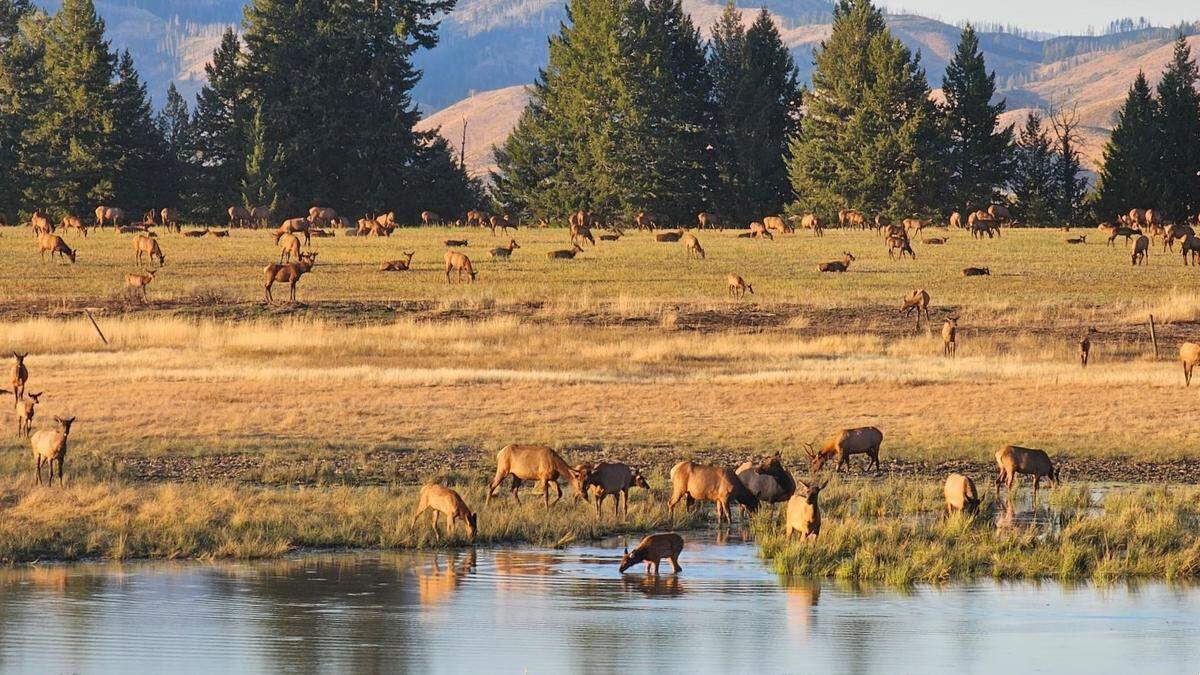
McFarland learned that the hard way when elk damaged 300 acres of organic potatoes and 800 acres of organic Khorasan wheat in 2018, according to the Idaho Farm Bureau Federation. Khorasan wheat is a type of ancient grain with a nutty, buttery flavor, according to the national nonprofit Whole Grains Council.
McFarland filed a $1 million claim with Fish and Game after the incident, which was then the largest claim ever filed with Fish and Game’s Expendable Big Game Depredation Account. The department paid the claim, but it led to legislation that capped the amount that can be paid for a single claim to 10% of the account’s annual appropriation, according to the Farm Bureau Federation.
For anglers, the site offers nearby easy public access to the South Fork of the Boise River and the 4,600 acre Anderson Ranch Reservoir. The reservoir is stocked with kokanee and fall Chinook, rainbow and bull trout, yellow perch and mountain whitefish, according to Idaho Fish and Game.
The property also has two ponds and a 40-acre private reservoir that is stocked with rainbow trout that have grown up to 20 to 25 inches long, Deakin said.
“There’s all sorts of wildlife,” Deakin said. “To me, that’s what makes it so unique.”
Eyes to Idaho’s potato future
McFarland said he’s looking for the next thing as he gets older and wants to make sure his family is taken care of. But he still has other, smaller potato farms around the state and has big plans for the future, including with Boise State University and Kangwon National University in South Korea.
McFarland is working on a process that would extract peptides from potatoes for use in pharmaceuticals, skin care and antimicrobials. Peptides are amino acids that are the building blocks of proteins, according to WebMD. Some potatoes, he said, have properties that can help with stomach disorders or cancer.
His company is also working separately on a type of potato milk, which could compete with other alternative milks found on the market.
“It’s amazing where we’re at with this,” McFarland said.
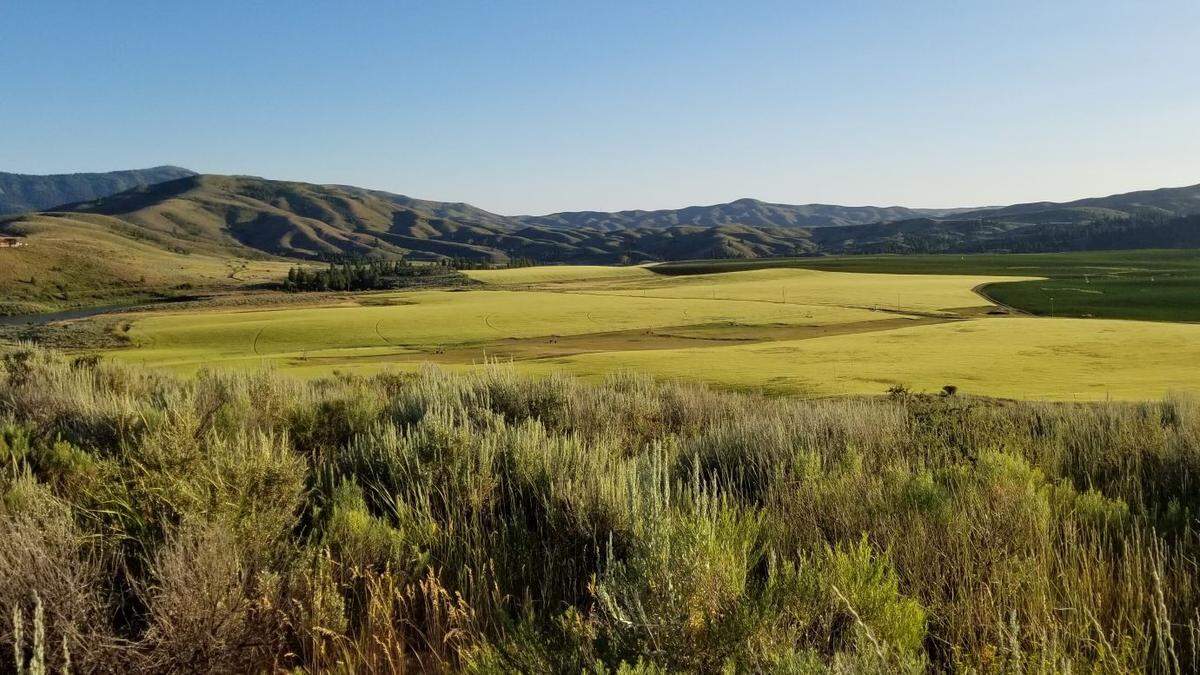
According to Deakin, the property is highly isolated despite being about a 70-mile drive to Boise and 90 miles to Sun Valley, which is a boon for McFarland’s scientific endeavors. Unlike farms where fields stacked next to each other can become contaminated from non-organic herbicides, the Anderson Ranch property can remain neutral ground.
“It sets up really well from an organic standpoint and just not any cross contamination,” he said.
Deakin said they seek a buyer willing to lease the organic potato operation back to McFarland. According to McFarland, “That way we can continue to raise the potatoes up there that I need to raise, not only for the plant, but for seed and for future endeavors that we’re just getting started on.”
“We’ve taken a lot to build that operation,” he said. I want to see it continue.”
This story was originally published April 15, 2025 at 4:00 AM.