Eagle clothing company says it was blackballed by Facebook after U.S. Capitol riot
An Eagle clothing company popular with hunters and other outdoor enthusiasts says it was blackballed from placing paid ads on Facebook before the inauguration of President Joe Biden.
It happened after at least one person was spotted at the Jan. 6 U.S. Capitol riots and others were seen at earlier protests wearing gear made by the company, Kryptek Outdoor Group.
“Prior to the inauguration, the Capitol riots took place and, unfortunately, a gentleman wore our tactical uniform inside and was pictured on national television,” Kryptek spokesperson Sydney Butler said by phone. “We just kind of got swept up in this dragnet of Facebook trying to clean its platform.”
Four days before the Jan. 20 inauguration, Facebook placed “an intense limit” on the number of ads Kryptek was able to place before Facebook users. Butler said Facebook told Kryptek that it was temporarily banning ads that promote weapons accessories and protective equipment in the U.S. “out of an abundance of caution.”
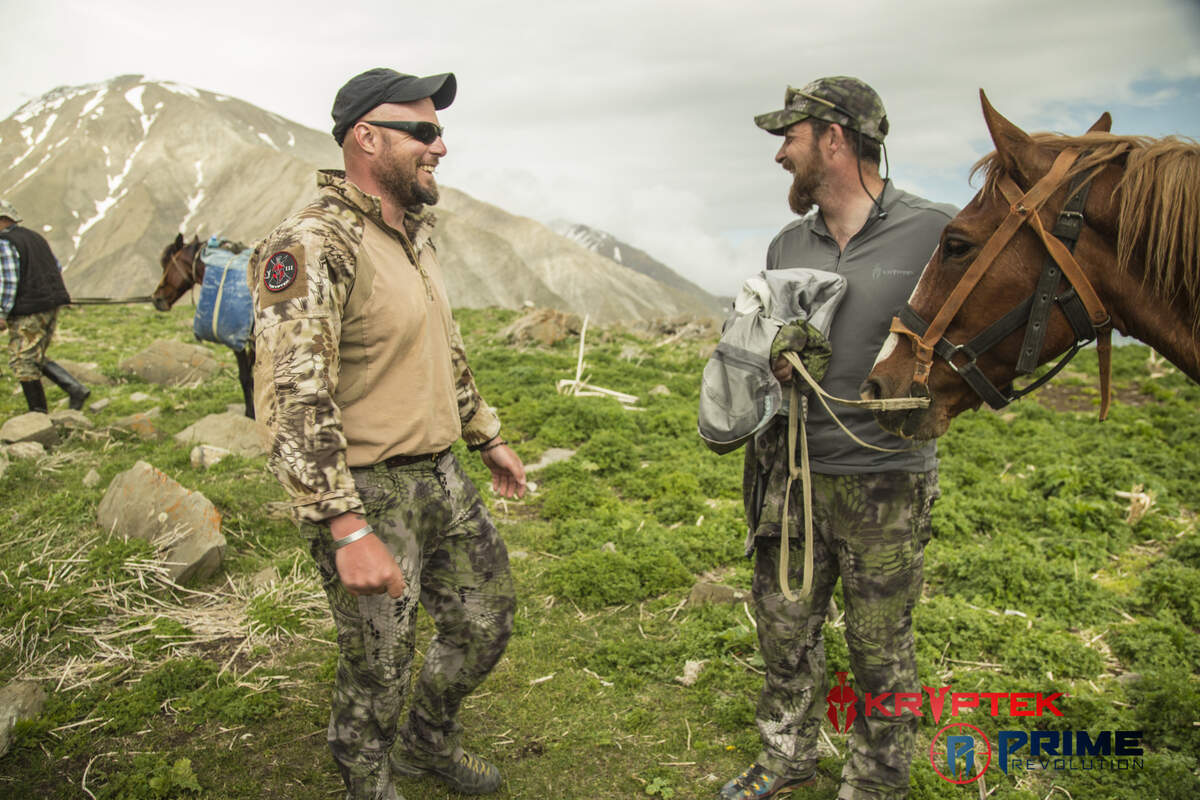
“Just before the inauguration, all of our ads were killed on Facebook,” Kryptek co-founder Butch Whiting told KIDO-AM radio host Kevin Miller on his Feb. 16 broadcast. “I think it had to do with this association that we were thrown in this dragnet and caught in with, apparently, we’re a brand that domestic terrorists, so to speak, are wearing at not only just the riots but also out protecting statues last summer or protecting business fronts last year.”
Facebook already prohibited ads for weapons, ammunition and silencers, Butler said, but expanded that to include accessories such as gun safes, vests and gun holsters.
The effect on Kryptek was immediate, she said.
“Over the course of a week, our traffic and sales for Facebook ads basically came to a standstill, which was just a little unforeseen and surprising to say the least,” Butler said. “Our revenue was sliced in half from this particular platform, so on any given week that’s in the realm of tens of thousands of dollars.”
Facebook has been a lucrative platform for Kryptek. While Butler would not reveal precise sales figures, she said during the first 10 days of January, before the Facebook ban took effect, Kryptek reported profits of $15 for every dollar of advertising.
Facebook did not respond to a Statesman inquiry.
Both Whiting and Miller said it seemed unfair that Kryptek was targeted by Facebook when other clothing brands weren’t.
“It’s not like Facebook was shutting down Levi’s jeans or Nike shoes, even though those appeared inside the Capitol as well,” Butler said.
Last summer, the FBI contacted Kryptek after a number of people associated with patriot groups were spotted wearing Kryptek caps at protests where people were trying to topple statues and monuments associated with racial injustice following the May 2020 police killing of George Floyd in Minneapolis.
.JPG "Kryptek 2 (highlander).JPG")
The people wearing brown and tan Kryptek caps with a candle camouflage design were reportedly associated with right-wing groups that defended the statues and tried to keep them from being torn down by counter-protesters, Whiting told Miller.
The caps were sold without any logos by Kryptek to a reseller that added the skull logo of Marvel’s comic book character, the Punisher. The Punisher logo is increasingly used by members of the Proud Boys and other hate groups. Marvel is facing pressure to retire the logo or do away with the Punisher altogether.
“The reason why the FBI was asking about this hat was because apparently there were groups out protecting statues and standing up and protecting businesses and whether they were local militia or just local patriots, this hat was associated with that behavior,” Whiting told Miller.
Sandra Barker, a spokesperson with the FBI in Salt Lake City, told the Statesman that she is unable to comment.
Whiting, a former U.S. Army combat helicopter pilot in Afghanistan and Iraq, said Kryptek was founded to pay homage to the brave men and women who served on behalf of the nation.
“We don’t condone any malice on U.S. soil, especially acts of violence conducted by U.S. citizens at the very heart of our nation itself,” Whiting said.
Kryptek: Battlefield to Backcountry
Kryptek was founded by Whiting and Josh Cleghorn in 2010 in Alaska. Whiting had served as a troop commander in the Army and Cleghorn was one of his junior officers.
During their down time in Iraq, they reminisced about growing up hunting in the backwoods. They talked about how they wanted to turn their love of the outdoors into a business when they returned home. They came up with an idea to take advances they saw in military and tactical gear and apply them to outdoor apparel. Kryptek was born.
The name Kryptek comes from two Greek words: kryptos, meaning hidden, and technos, meaning technologies.
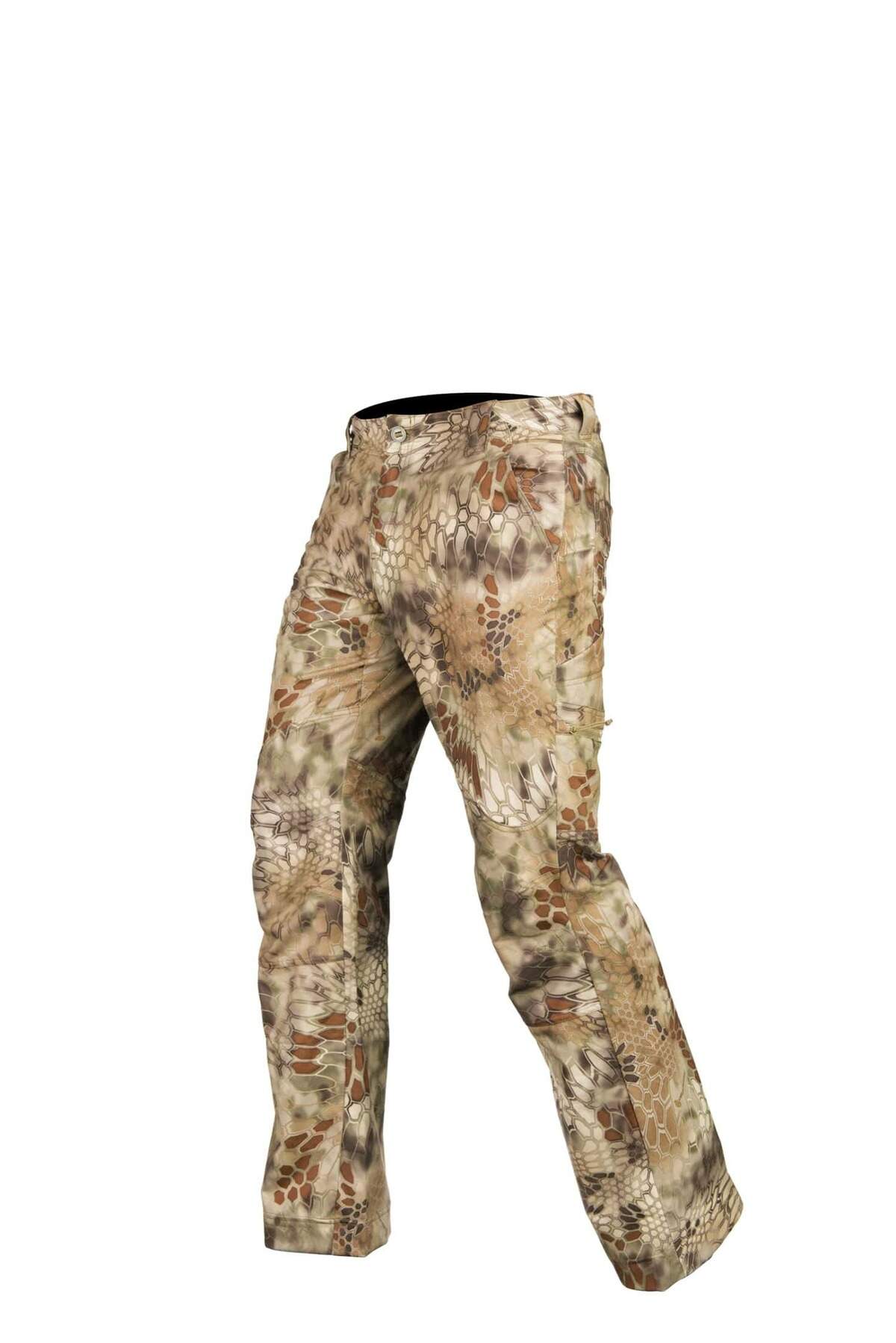
The company, which uses the slogan “Battlefield to Backcountry,” specializes in camouflage apparel patterned after netting that covered tanks and artillery in World War II. It offers jackets, vests, shirts, pants and other gear.
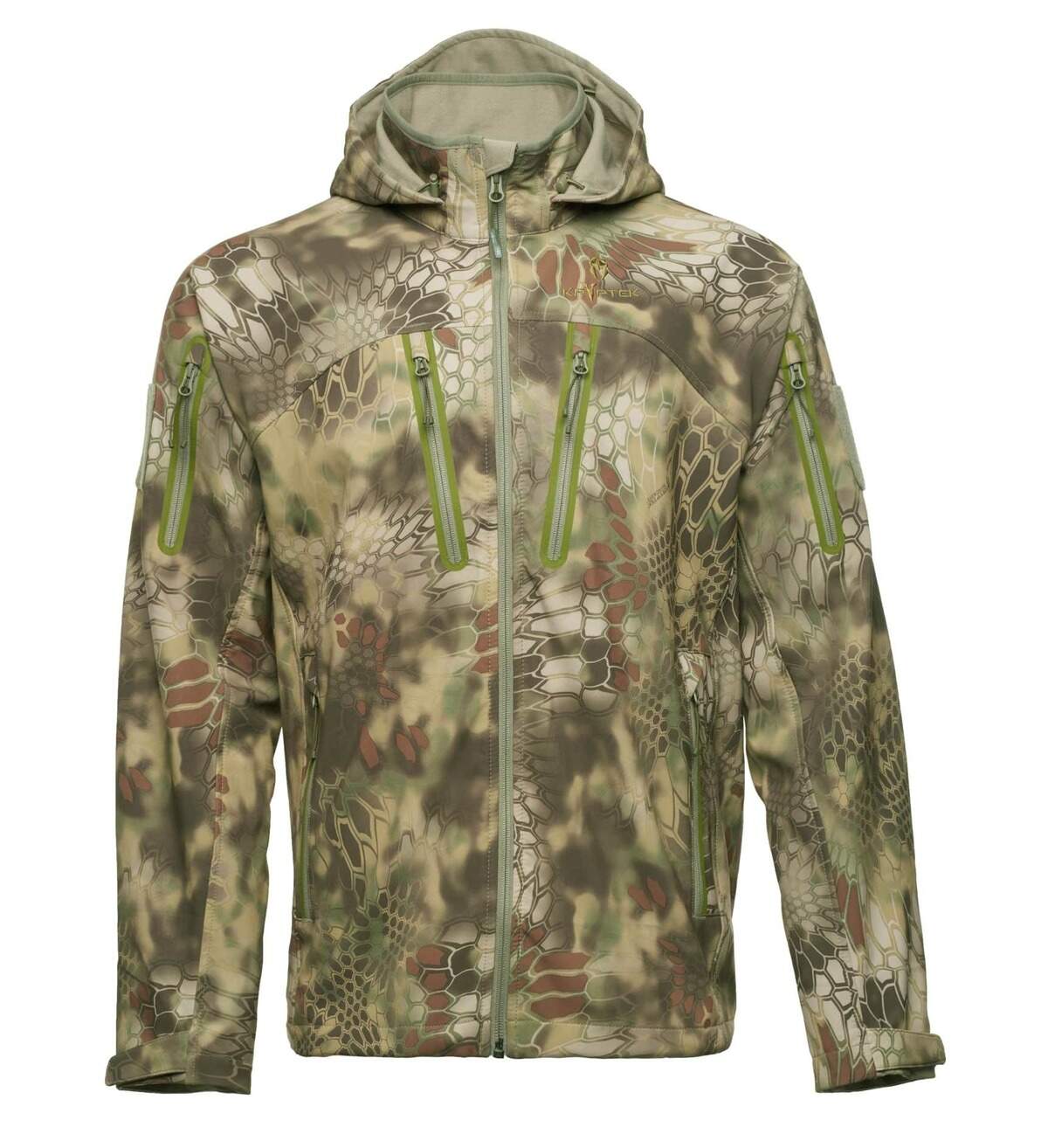
Jackets range from $160 to $430. Pants sell for $60 to $410.
Whiting, who grew up in Nampa, moved the company to Eagle in 2013. Kryptek, which manufactures its products in the U.S. and foreign countries, including Switzerland, China, Indonesia and India, has about 20 employees.
Whiting said he’s proud of his brand, which he said provides gear not only to individuals but to police SWAT teams and community emergency response teams across the nation. He said he’s looking to other advertising avenues such as radio to spread the word.
“We’re going to become creative and open up the volume of our brand and not be pigeonholed into specific areas that we don’t have control of,” Whiting said. “The challenges that we’re facing right now with censorship at the corporate level (are) going to be a learning point for us.”
Looking to build business back
Since Facebook removed Kryptek’s ads, the company has been able to get some new Facebook advertisements approved. They’ve had to be retooled so they don’t show hunters or law enforcement officers carrying rifles.
Sales are slowly rebounding, Butler said.
“We’ve just had to be very sensitive,” she said. “We’re definitely more product-focused, so if we’re trying to advertise our flannels, we’ve got a guy up in the Boise Foothills walking his dog wearing flannels, or we’ve got somebody in one of our raincoats and rain pants up at Bogus Basin or snowshoeing in the snow.”