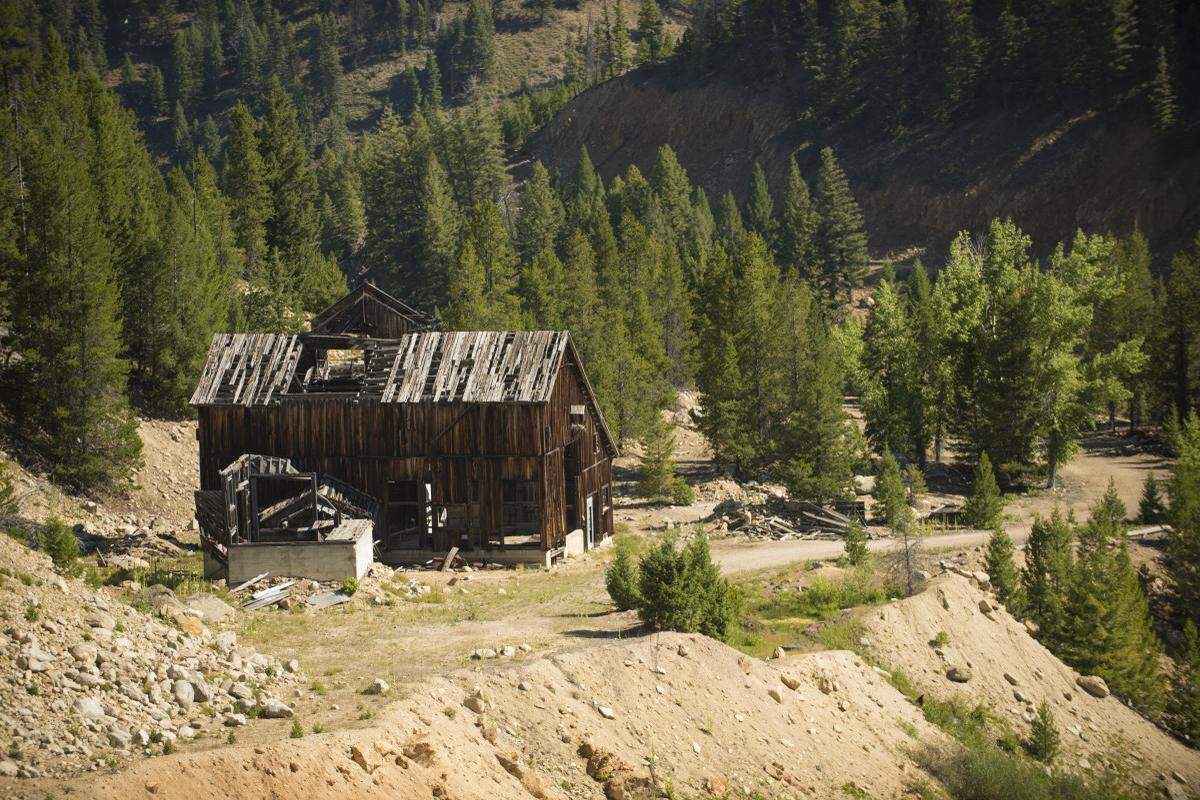
Most Idaho legislators join thousands of commenters on Idaho gold-mine proposal
The public comment has ended on the environmental impact statement the U.S. Forest Service drafted for a proposed mine near the headwaters of the South Fork of the Salmon River in central Idaho.
Midas Gold has been working for 10 years to put this draft together. Midas wants to mine for gold, silver and antimony at the Stibnite Mine site about 50 miles east of McCall.
There were more than 9,600 comments on the Stibnite Mine proposal. Seventy-four of Idaho’s 105 state legislators voiced support for the mine, citing mainly economic reasons, jobs and the $1 billion Midas Gold plans on investing in a mine that would have a 20-year lifespan.
Almost unanimously, the legislators supported Alternative 2 in the EIS. Alternative 2 is Midas Gold’s preferred plan of action after the company reworked its original plans to include more mitigation efforts.
We didn’t find any lawmakers who voiced opposition to the project.
Several environmental groups opposed the mine. The opponents included Idaho Rivers United, the Idaho Conservation League, Native American tribes, American Whitewater, Trout Unlimited, anglers, kayakers, recreators and basically anybody whose quality of life depends on the river.
Most of the municipalities surrounding the mine wrote language that wasn’t for or against the mine, but they voiced their concerns and added suggestions to the EIS draft.
The city of McCall brought up Highway 55 intersection safety with the added truck traffic. The city asked about a hazardous materials team, because Valley County doesn’t have one. The city also wanted to know if there would be any impacts on the North Fork of the Payette River.
The children of the workers who mined for resources during World War II offered their support for the project and thanked Midas Gold for cleaning up the area left behind when mining regulations weren’t what they are today.
In interviews, Midas Gold highlighted the project’s economic impact on rural Idaho, the company’s $1 billion dollar investment into the state, and the good-paying jobs the mine would create for the people of Idaho.
The company also explained that the impact-statement drafting process helped the company address concerns, and that one result is Midas’ decision to put in more mitigation efforts to protect the South Fork of the Salmon River watershed.
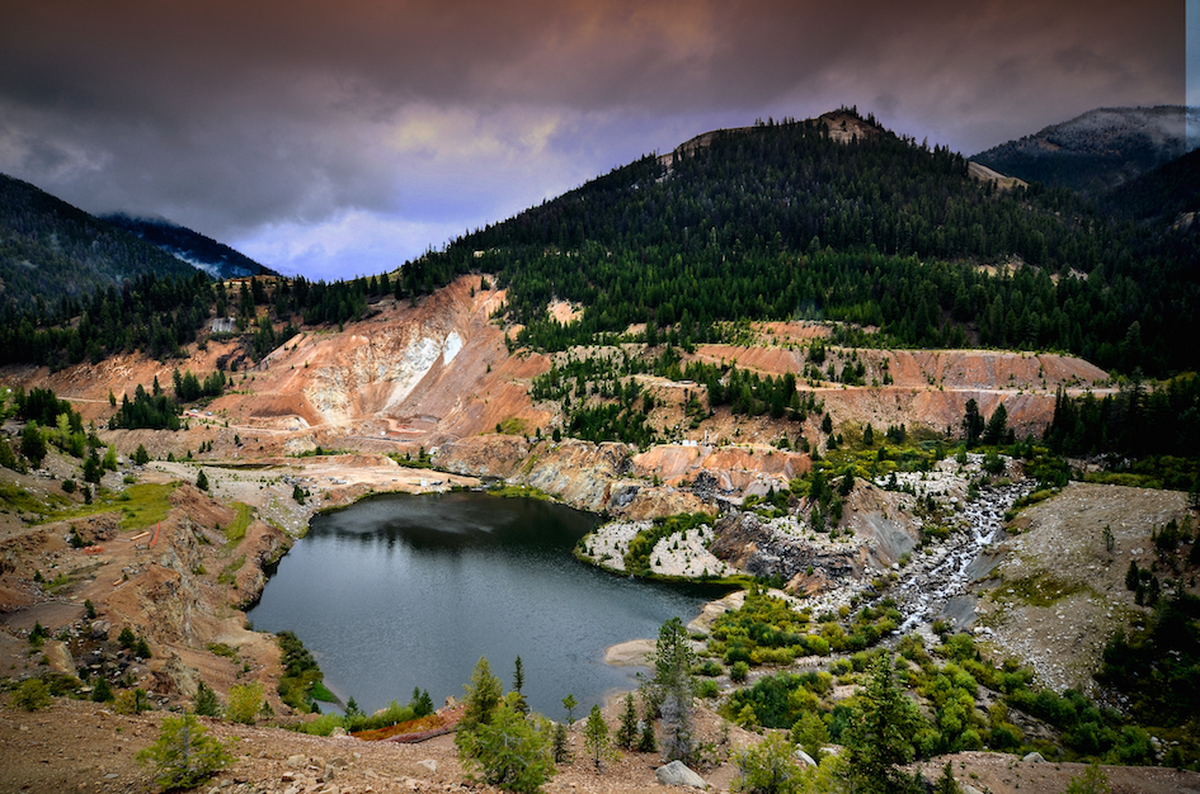
The Idaho Conservation League said it believes the mining could ruin a pristine area used by boaters, anglers and people who rely on the water to make a living.
The next drainage over, the Middle Fork of the Salmon River is protected by Congress through the Wild & Scenic Rivers Act. Boaters need to win a lottery to float the Middle Fork in the summer. Meanwhile, the South Fork features a rowdier whitewater playground, doesn’t have the same watershed protections, and has a long history of mining.
Midas Gold plans on restoring the area before beginning mining operations.
The National Environmental Policy Act requires a 45-day comment period on draft environmental impact statements. The Forest Service set a 60-day period and then extended that to 75, which drew ire from both sides, with critics believing the process was moving either too slowly or too fast.
“Some of those comments that are substantial could very well impact the outcome on what is in the final EIS,” said Brian Harris of the Payette National Forest. “What is in the final EIS will steer the decision-maker, the forest supervisor, on how she will move forward with approval for the project.”