Xerox is trying to take over HP. Here’s what that may mean for HP’s Boise workers
Since HP Inc. rejected Xerox’s acquisition offer, Xerox is playing hardball with a bid for a hostile takeover or proxy war.
John Visentin, Xerox vice chairman and CEO, does not mince words in a letter to Enrique Lores, who became HP president and CEO on Nov. 1, and Chip Bergh, chair of HP’s board of directors.
“Unless you and we agree on mutual confirmatory due diligence to support a friendly combination by 5:00 p.m. EST on Monday, November 25, 2019, Xerox will take its compelling case to create superior value for our respective shareholders directly to your shareholders,” Visentin states.
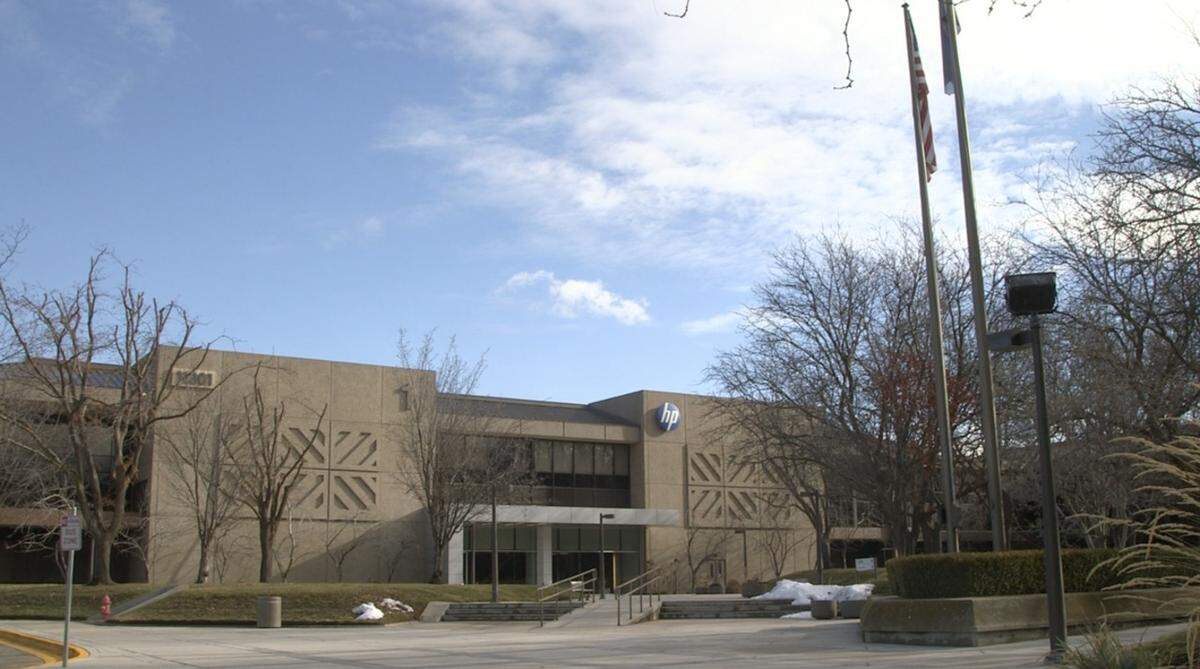
HP, which says it employs about 1,700 workers in Boise, didn’t wait until Monday to respond.
“It is clear in your aggressive words and actions that Xerox is intent on forcing a potential combination on opportunistic terms and without providing adequate information,” Lores and Bergh replied on Sunday. “When we were in private discussions with you in August and September, we repeatedly raised our questions; you failed to address them and instead walked away, choosing to pursue a hostile approach rather than continue down a more productive path. But these fundamental issues have not gone away, and your now-public urgency to accelerate toward a deal, still without addressing these questions, only heightens our concern about your business and prospects.”
The letter continued that HP was still willing to work with Xerox, but noted that HP was not dependent on a merger – and that there might be other fish in the sea.
“We have great confidence in our strategy and the numerous opportunities available to HP to drive sustainable long-term value, including the deployment of our strong balance sheet for increased share repurchases of our significantly undervalued stock and for value-creating M&A,” Lores and Bergh wrote.
Xerox’ offer, made earlier this month, was for $22 per share, comprising $17 in cash and 0.137 Xerox shares for each HP share.
But while HP’s board had acknowledged the synergies between the two companies, Lores wrote a letter rejecting the offer saying it undervalued the company and could raise debt – reportedly $25 billion – a concern shared by industry watchers after the initial proposal.
Xerox didn’t take it well.
“Frankly, we are confused by this reasoning in that your own financial advisor, Goldman Sachs & Co., set a $14 price target with a ‘sell’ rating for HP’s stock after you announced your restructuring plan on October 3, 2019,” Visentin wrote. “Our offer represents a 57% premium to Goldman’s price target and a 29% premium to HP’s 30-day volume weighted average trading price of $17.”
Moreover, Visentin indicated that HP wasn’t acting in good faith on its offer to continue discussion.
“You have requested customary due diligence, which we have accepted, but you have refused to agree to corresponding due diligence for Xerox,” Visentin wrote. “Any friendly process for a combination of this type requires mutual diligence – your proposal for one-way diligence is an unnecessary delay tactic.”
Xerox could complete its due diligence in three weeks, he continued.
‘Synergies’ means layoffs. Impact on Boise unclear
If accepted, Xerox said the deal could generate $2 billion in cost synergies – $1.5 billion of which were likely to be through layoffs – and result in HP holders owning 48% of the company. It is not clear how many of those layoffs could affect HP’s Boise location.
HP, which started building its Boise campus in 1975, is one of the most venerable technology companies in Idaho, but has faced a hard road in the past few years. The company said in early October that it expected to cut 7,000 to 9,000 employees by the end of 2022, but the company has not said how many are likely to come from Boise.
HP has had more than 3,000 employees on its Boise campus in recent years, though it’s down to roughly half that now, according to a recent speech by Chief Diversity Officer Lesley Slaton Brown. Many of the Boise employees are software engineers and others who earn six-figure and high five-figure salaries.
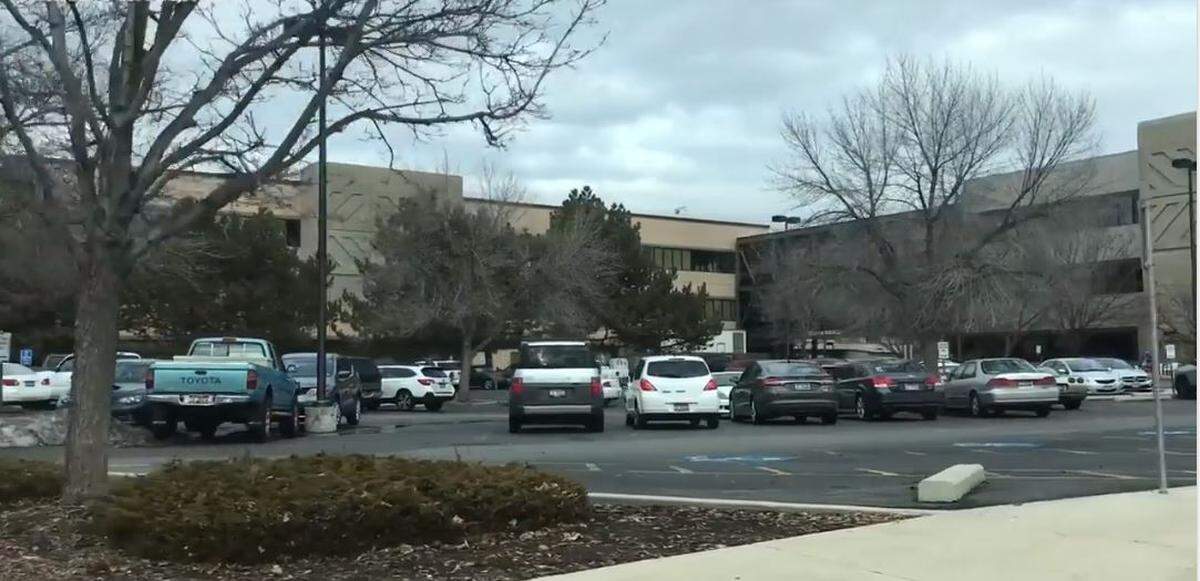
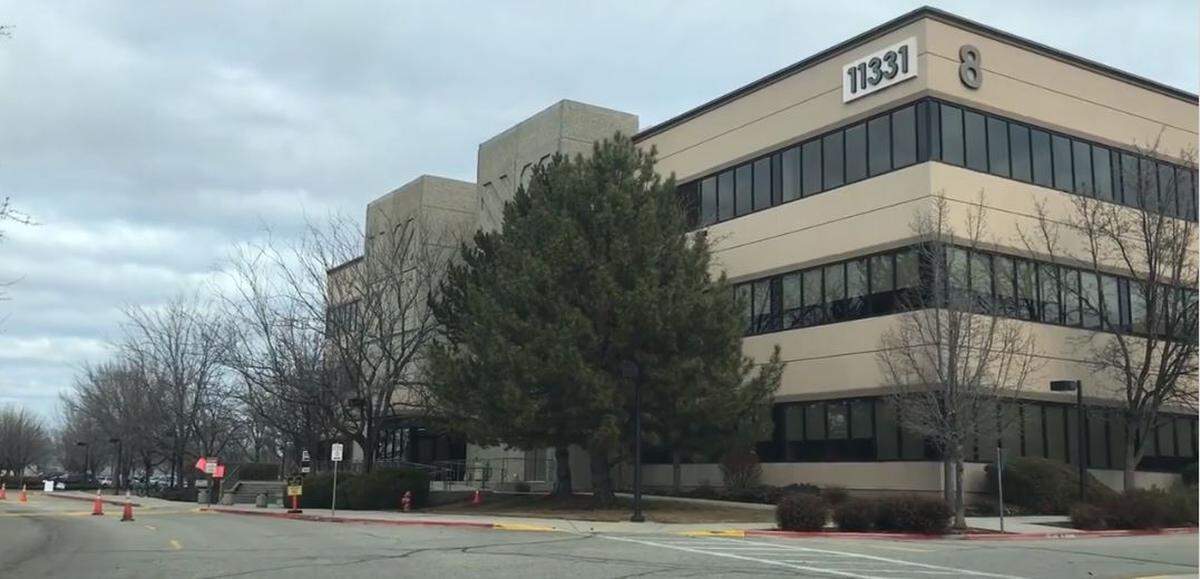
HP sold its 197-acre Boise campus to the state in 2017, leasing back 793,000 square feet of the total 1.346 million square feet across eight buildings. A 152,000-square-foot building had been vacant for at least five years.
HP has had more than 3,000 employees on its Boise campus in the past, but is now down to roughly 1,700, according to a recent speech by a local executive.
The deal could be good for Boise, said Bill Connors, president and CEO of the Boise Metro Chamber of Commerce.
“Mergers can bring consolidations, and Boise is an ideal market to consolidate to,” Connors said in an email message. “We have great talent at the Boise campus, and room to grow there.”
But Rick Ritter, lab director for New Ventures Lab, said Xerox is likely to perform revenue and cost projections on all the HP products, including those produced in Boise.
“There will certainly be fewer products available in the marketplace,” he said by email. “HP printer products have struggled to maintain market share over the last three years, especially on the corporate side. It may be that they opt to maintain some HP products focused on the SME (small and medium enterprises) market and eliminate HP products and lines from the corporate side. If that were the case, Boise may be OK.”
On the other hand, Xerox may choose a different tack, Ritter warned.
“If they chose another route (all Xerox that incorporates HP technologies), Boise probably faces a steep decline, if not closure,” he said. “... This whole sector is due for some consolidation and reconfiguration, but it is hard to calculate how Xerox gets this done as a whole.”
Several analysts have downgraded HP stock over the past few months over concerns about sales of printer supplies, on which the company depends. In response, HP announced a sales model where customers could choose between paying a higher price for hardware, which can be used with third-party ink suppliers, or subsidized hardware that works only with HP printing supplies.
Some analysts have speculated Xerox’s initial offer was a ploy to get HP – which has a market capitalization ranging from $27 billion to $29 billion, compared with Xerox’s market capitalization of about $8 billion – to buy Xerox instead.
HP Inc. is one of the world’s biggest sellers of personal computers and printers. It is the former consumer-technology arm of Hewlett-Packard Co., which split into two companies in 2015: HP Inc. and Hewlett Packard Enterprise, which primarily sells computer servers, data storage and data analysis products to businesses and government agencies.
The Associated Press and the Idaho Statesman contributed.