For Boise woman and other Idahoans, coronavirus is life or death. Isolation is vital
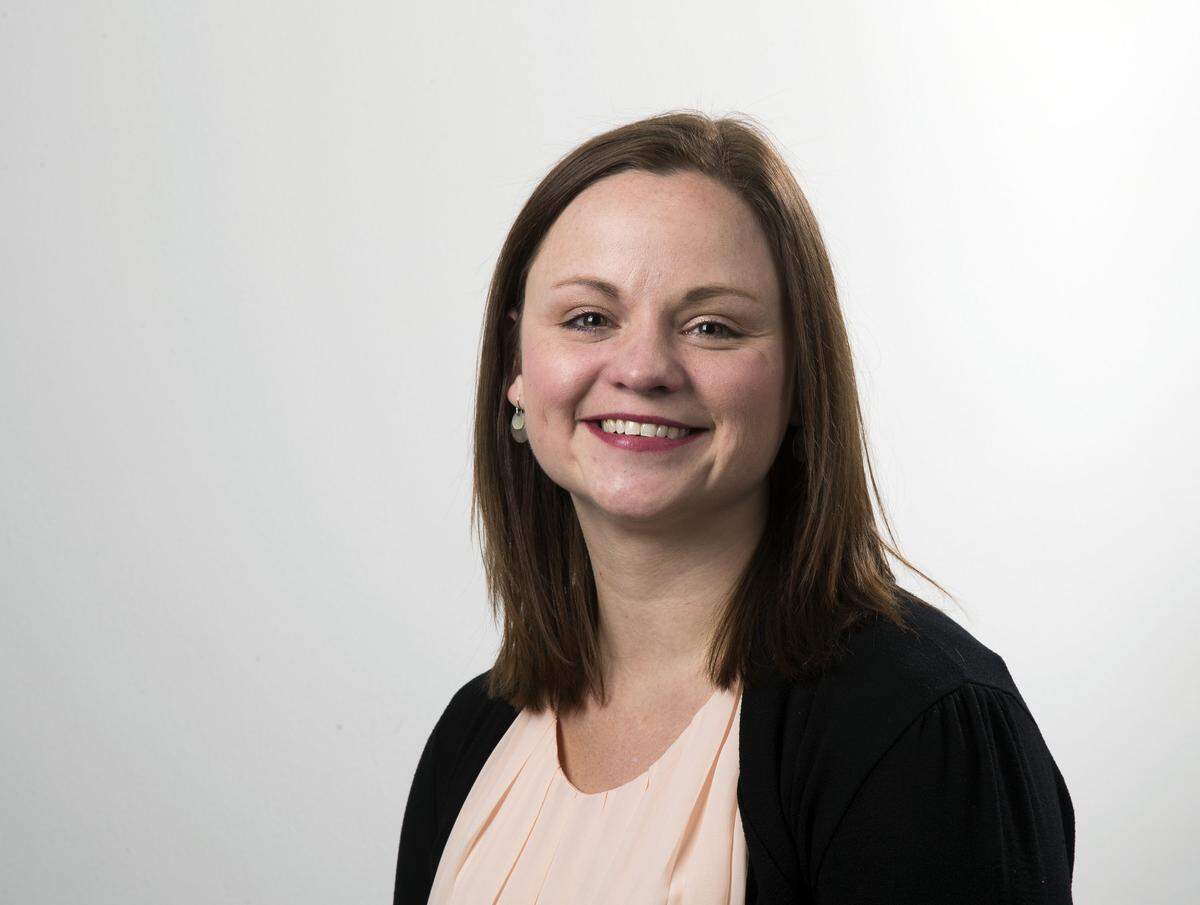
At 58 years old, Boisean Julie Rice has accepted that stage IV cancer might kill her. But the idea that another person’s reckless behavior during a global pandemic could end her life too soon is “unacceptable.”
Seeing people openly defy the government’s social distancing orders, or gather in large groups, is discouraging for Rice, who said she hopes to live at least another three years.
“It’s really scary,” Rice said. “For them, they just might get sick. I will die if I get (coronavirus). There’s no question about it.”
Doctors diagnosed Rice’s cancer nine months ago. The cancer was in her brain and lymph nodes, and also in her lungs. She’s undergone radiation for the brain cancer and is undergoing treatment with a drug called Keytruda at the St. Luke’s Mountain States Tumor Institute to target the lung cancer.
Rice said she knows the medication won’t save her life, but she hopes it will extend it. She shared a copy of her St. Luke’s medical chart with the Statesman to verify her illness and treatment.
Even if you don’t know someone with cancer, Rice stresses that everyone is putting a high-risk person in jeopardy when they don’t comply with health recommendations during a pandemic.
“We all have a grandma. We all have a grandpa. We all know somebody with diabetes,” Rice said. “It impacts all of us.”
As of Wednesday morning, 39 people had died in Idaho as a result of COVID-19, the disease caused by the coronavirus. More than 1,450 people have tested positive.
It’s for the greater good
Rice saw the news articles about some Idahoans, including Ammon Bundy and Republican Idaho lawmakers, who claim that the governor’s order is “unconstitutional” — despite Idaho’s attorney general saying otherwise.
Specifically, she saw Bundy’s attempt to gather as many as 1,000 people on Easter. He first wanted to do something in the Boise area, but wound up holding an event in Emmett that was attended by very few.
Rice said she understands that people are frustrated, but she thinks residents should consider high-risk populations and stay home to protect people.
“People like me try to be very, very careful, and they’re putting our lives at risk,” Rice said. “It’s not right.”
The American Cancer Society recently reported that patients with cancer are at a higher risk than healthy people who may contract the virus. Cancer patients, in fact, are at a higher risk of both getting infected and having a graver outcome than people who don’t have cancer.
“We’re headed for a time when there will be significant disruptions in the care of patients with cancer,” said Dr. Len Lichtenfeld, deputy chief medical officer for the American Cancer Society, in a statement. “For some it may mean a delay in having elective surgery. For others it may be delaying preventive care or adjuvant chemotherapy that’s meant to keep cancer from returning.”
Rice is not undergoing chemotherapy because she knows how sick the treatment made her mother. It’s a conscious choice she made before the pandemic, considering the stage of her diagnosis.
“My quality of life was more important than the length of my life,” she said, and she hopes that people can remain patient amid statewide stay-home orders.
On Wednesday morning, Idaho Gov. Brad Little extended his stay-home order through April 30 in an ongoing effort to stop the spread of the virus.
“We all want to enjoy summer,” Rice said. “And if for a short period of time, if we just stay home and isolate where we are, we can all have our lives back.”
High-risk populations
Other high-risk populations include people who have lung conditions, heart conditions, HIV or other immune disorders, such as lupus and multiple sclerosis.
The American Heart Association says that although the main target of the virus is the lungs, it certainly has an impact on the heart, exacerbating problems that might already exist.
“Especially a diseased heart, which has to work harder to get oxygenated blood throughout the body,” according to an American College of Cardiology bulletin from February.
Additionally, many people with cardiovascular problems are 65 or older, and the Centers for Disease Control and Prevention has repeatedly said that the elderly are particularly susceptible.
People with relatively common conditions, such as diabetes or asthma, are also at greater risk because of the coronavirus.
Heather Kimmel, director of health promotions for the American Lung Association of Idaho, urges people to consider how many Idahoans fall into the category of high-risk. It’s not a small number, she said.
“We all love passionately someone who is at risk for serious, serious complications of COVID-19,” Kimmel said Wednesday. “When you really think about who is included in the vulnerable population, we all have people we love who are included in that population.”
The American Lung Association has been fielding many questions from patients who are worried about contracting the virus or being able to seek medical care for their existing lung disease. The association has set up a hotline for patients and has weekly webinars for people seeking accurate, up-to-date information.
Kimmel, who lives in Boise, urged people to follow CDC guidelines and to think not only of themselves, but of how their actions affect others. She pointed to people who may be asymptomatic and think they are fine, only to go out in public and jeopardize others.
“With so many things related to our health, we all have a role to play,” Kimmel said.
Kimmel cited how Idahoans band together in times of need, but said that sometimes the best way to show support “is by staying home.”
Dr. Beth Malasky, a cardiologist and medical director of the Saint Alphonsus Women’s Heart Care program, on Wednesday urged people to take the pandemic seriously.
Malasky said people with cardiovascular problems are more likely to die of coronavirus, and heart disease is a broad problem in our country, affecting 120 million people. She said it’s not entirely clear yet why people with heart disease are more likely to die, because the virus is so new.
Malasky also said she is concerned that some of her patients may not go to the emergency room when having symptoms of a heart attack because they are afraid of contracting the virus. She stressed the importance of reaching out to a provider for minor symptoms and not ignoring serious symptoms.
When she heard about Little’s decision to extend the statewide stay-home order, Malasky’s response was, “Good.”
She said it’s “foolish” not to take the order to stay home seriously. Young, healthy people have died of coronavirus, not just the elderly.
“It’s unpredictable and it really can be life-threatening and it’s not just a cold,” Malasky said. “And people will die from it if we don’t use caution.”