Man skied 110 miles alone through Idaho’s largest wilderness. You can watch his trek online
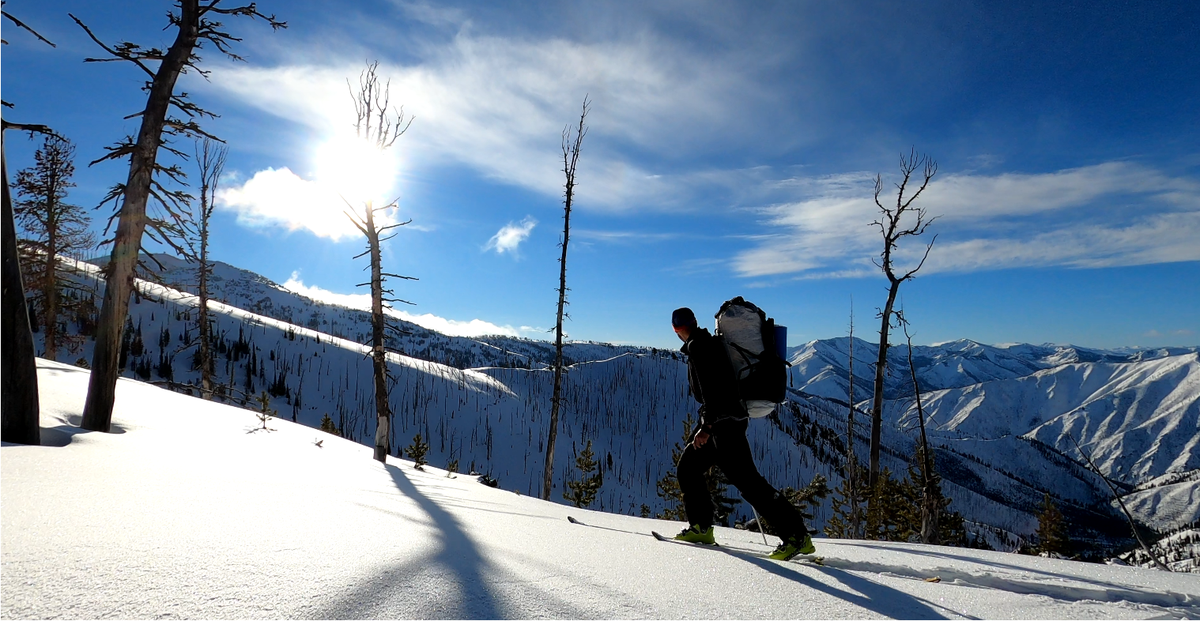
Dan Noakes slowly glided uphill on long, thin skis before reaching a mountain ridge. He came crashing down through untouched snow, white powder spraying around him.
The scene seemed familiar to Noakes, a lifelong skier and backpacker who has skied Idaho’s nine tallest peaks, but the terrain was new. In February 2022, Noakes spent 12 days — with a break midway for inclement weather — alone in the Frank Church-River of No Return Wilderness in the dead of winter. He traversed 110 miles, most of it through wilderness he’d never seen before.
Now Noakes is releasing a five-part docuseries on his adventure, called “Ghosts of the Frank,” where he’ll explore the wilderness’s history, his own past and the mental stamina it took to ski tour the largest wilderness in the contiguous United States.
Mapping a ski route in the wilderness
Noakes is no stranger to a physical challenge. The 37-year-old Donnelly resident completed the 1,311-mile Idaho Centennial Trail in 52 days in 2018 and skied all of Idaho’s 12,000-plus-foot peaks a few years later.
But this adventure was different, he said. It combined two activities he grew up doing with his dad: backpacking and skiing. In the first episode of “Ghosts of the Frank,” Noakes’ dad, John, recounts teaching his son to ski between his legs when Noakes was just 3 years old.
Noakes told the Idaho Statesman in an interview that when his parents divorced when he was a kid, skiing and backpacking became ways to strengthen his memories of his father.
“As I get older, I find myself doing things that my dad admired,” Noakes said. “And he really admired hiking and admired skiing, so combining the two, I thought that was the ultimate (connection). I could go out there on my skis and ski places no one has ever skied before.”
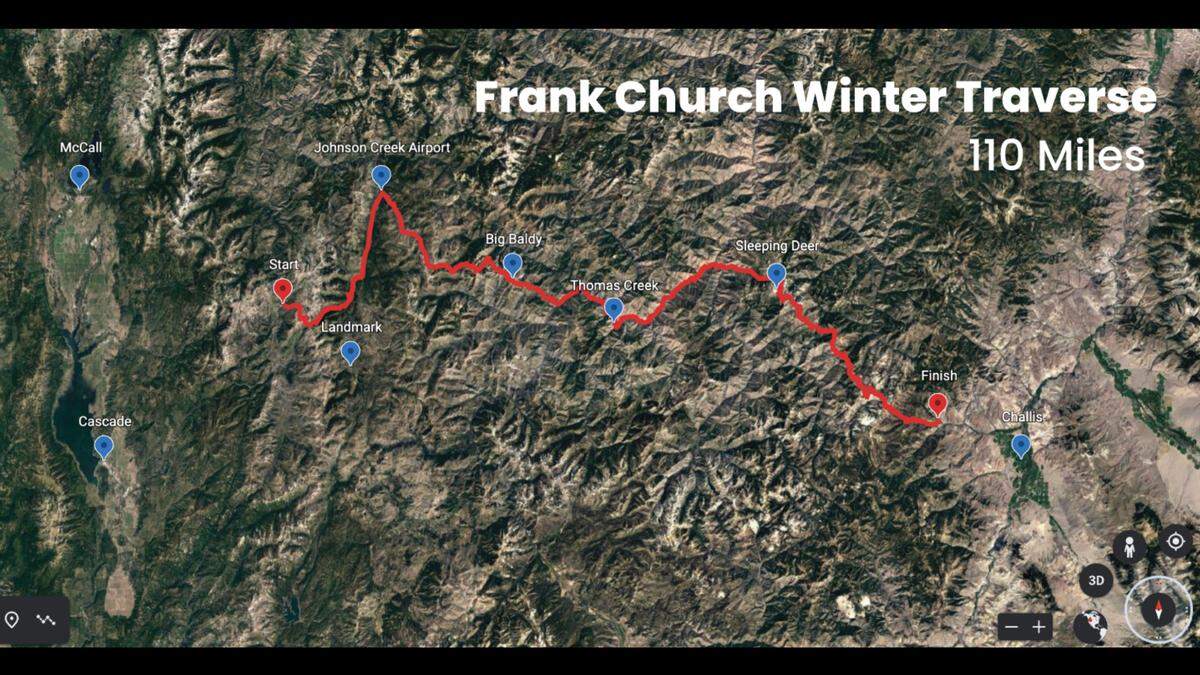
Noakes set out near Warm Lake east of Cascade in late February 2022. He’d spent some time skiing that area before, but before long he was in new territory on a route of his own creation.
Noakes said he mapped the 110-mile trail around a resupply point at Thomas Creek, where a state-owned airstrip is often accessible even in the winter.
“So then the question was, ‘How do I get there?’” Noakes told the Statesman. “I wanted to choose a route that was pretty low-angle so I wouldn’t run into avalanche risks.”
He studied maps, including slope-angle maps, to start to piece together a trail, consulting with friends and other outdoor experts to tweak his plan.
His route would take him east through the heart of the Frank Church wilderness, ending west of Challis.
Cold temperatures, mental toughness
It took some time for Noakes to prepare. He had to gather the right gear and get in shape — he said he skied several times a week, racking up more than 100,000 vertical feet in training. He even sought out winter survival advice from a member of the Air National Guard’s Survival, Evasion, Resistance, and Escape program.
National Weather Service data showed temperatures in the wilderness area dipped below freezing during Noakes’ trip, and he paused the trip to fly home from Thomas Creek for a week when conflicting forecasts threatened severe weather. When he resumed his traverse, temperatures had warmed only slightly.
In all, it took him 12 days on the trail to trek the 110-mile route. The cold offered relief from blisters Noakes developed after long days spent in ski boots.
“It’s fine when you first get the blister, but then as you go on, it almost feels like a broken bone,” he said.
Noakes said his boots would be freezing in the morning but his feet would thaw around noon. That’s when the pain would resume.
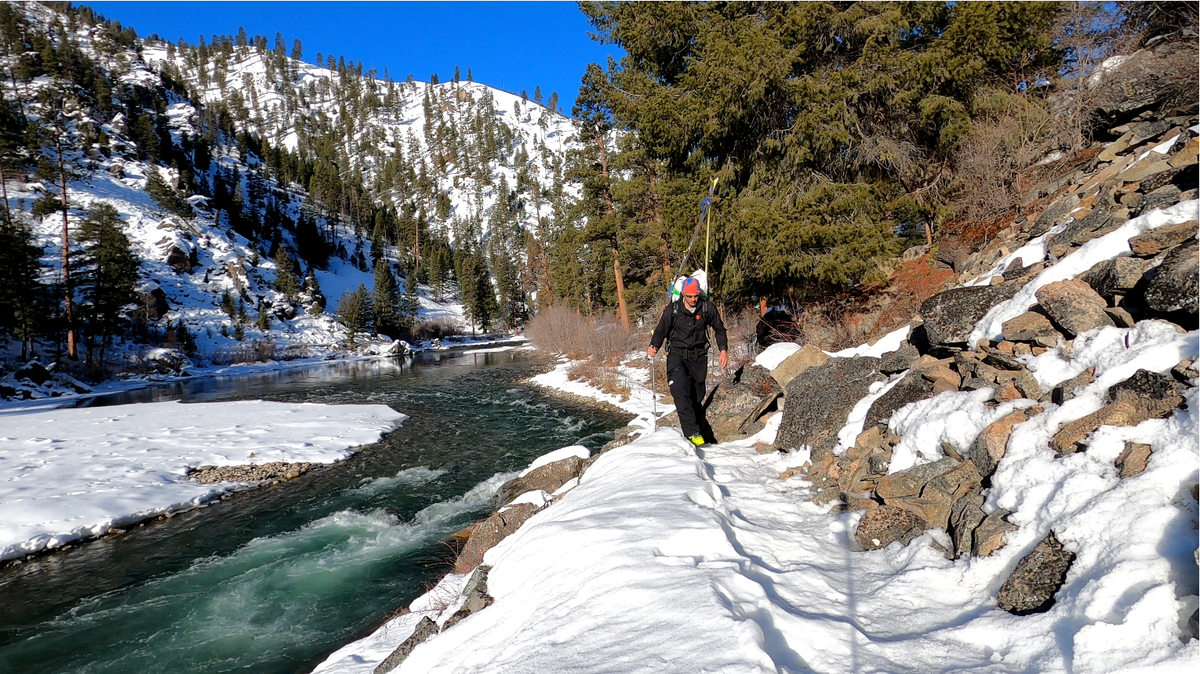
Still, the biggest challenge was mental, Noakes said. He focused on “going to work” each morning to keep his mind occupied. In the back of his head, he said, he worried about what could go wrong.
“This is the only trip where I actually did fear death,” he told the Statesman. “The death you’d experience out there would be a slow death. It would be something with your mind where you’re making these wrong choices, and they add up.
“In the winter, all alone, every single step that you take is intentional,” he added. “You’re never not thinking about the present moment. You’re never not thinking about what could go wrong and what you have to do to prepare.”
Amid his concern, Noakes said there were moments of joy, too. Near Papoose Lakes by Big Baldy Ridge, he took a shortcut and dropped into a valley where he skied fresh powder before setting up camp with a beautiful view.
“It almost felt like I was in the garden of Eden,” Noakes said. “I was the only one there for miles. I’ve never experienced that on a hiking trip. It was a place I was so glad I was in at that time.”
Noakes said when he reached the end of his traverse outside of Challis, a woman driving by stopped to ask him where he’d come from. “From McCall,” he replied.
“She said, ‘Are you kidding me? You walked over that?’” Noakes said. The woman gave him a ride into Challis, where a friend met him to return home.
Docuseries will explore more of the Frank Church
So far, Noakes has released one of the five episodes he has planned for “Ghosts of the Frank” on YouTube. The series was named after Noakes’ interest in the history of the wilderness, which was designated in 1980.
“When I went on this hike, I thought I would make a docuseries about the hike,” Noakes told the Statesman. “But it became a bigger story than that — a story of who was here in the past. As you walk the Frank Church wilderness, you almost feel ghosts.”
The 2.3 million-acre wilderness was used for generations by the Shoshone and Nez Perce tribes, and numerous tribal artifacts have been found there, according to the U.S. Forest Service. Later, it became home to fur trappers, miners and homesteaders.
To watch the first episode and keep up with the series, visit youtube.com/@DanNoakes.