
Spring weather has come to Boise. Here’s how to make sure your bicycle is ready to ride
Editor’s note: Many local bike shops are still open but have instituted restrictions or specific protocol to prevent the spread of coronavirus. Check ahead to ensure the shop is open and that you’re able to comply with safety measures.
It’s safe to ride your bicycle outside if you’re healthy, but keep social distancing practices in mind and avoid close contact with others.
Many of you are pulling your bikes out of the sheds and garages in preparation for spring adventures. It’s the time of year to get your bikes — and your fitness — ride-ready.
As you prepare for spring riding you might be considering taking it to a local bike shop for annual maintenance or to pick up a spare tube. Take a few minutes to consider what condition your bike was in before you put it away for winter. Also, take some time to review how it’s riding today.
When you take it to a local bike shop for an annual tune-up it is likely they will ask you about the last ride and any known issues. Here are some important things to keep in mind about your bike maintenance.
1. Tubes and tires
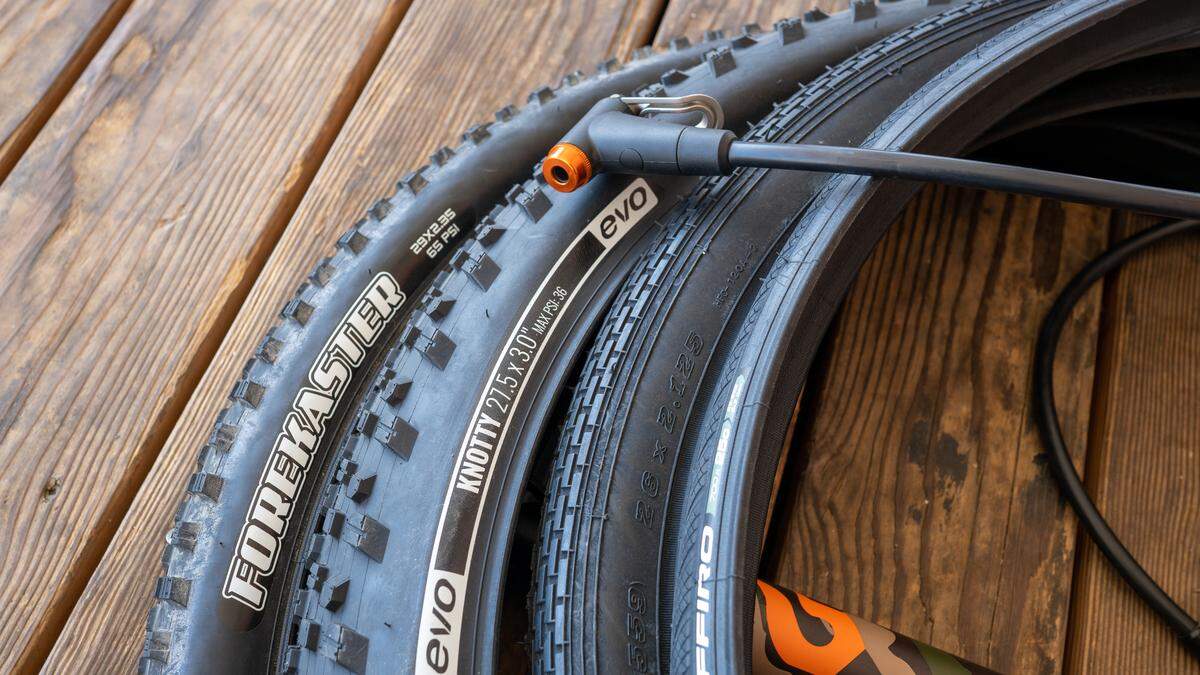
Flat tires are the number one reason people don’t ride their bikes. In 4 years of managing a bike shop in Nampa, we change over a dozen flat tires per day. We check to see if there is cracking or weathering on the sidewall of your tire as well as check the condition of the tread on your tires. It’s normal for your rear tire to wear out faster than the front. Some people rotate their tires on their bike just like they do on their car.
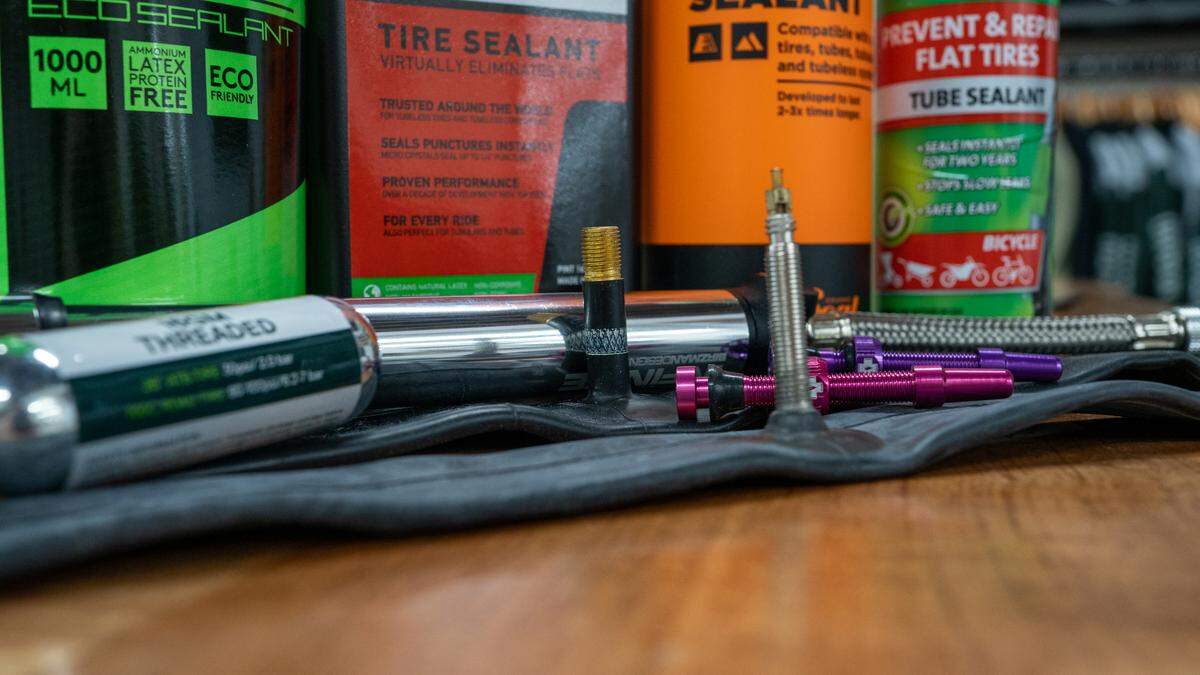
Some recommendations we might make include new tires if yours are damaged or worn and new tubes with sealant in them to deal with the puncture vines (AKA goatheads). Most bike shops have a few options to show you to prevent getting flats, ranging from sealant in your tubes, heavy-duty tubes and/or liners. New products are coming out all the time, so inquire about options with your local bike shop.
If you’re dropping by a bike shop to pick up new tubes or tires and plan to install them at home, be sure to bring the size from the sidewall of the tire. Here at Rolling H Cycles, we encourage our customers to take pictures of the sidewall of their tire where it lists all the pertinent information. Also, bring a picture of your tube valve. With these two pictures, we are able to confirm we are sending you home with the correct tire and tube for your bike.
2. Chain condition
Your chain is what makes your gears go around. What most people don’t know is that your chain requires regular cleaning and lubrication to function optimally. A good chain lube designed for bicycles is about $7 for something that will greatly improve the performance of your bike. Most local bike shops will help you select the best chain lube for your riding and show you how to apply it. Fun fact: the WD-40 that most households have is not chain lube. It actually degreases your chain, doing the opposite of what is intended. It also collects more grime which causes premature chain wear.
The wear on your chain is important, too. Many times we are asked to tighten a chain, and what the customer is asking is how worn out their chain is. We have a tool that measures the wear in your links. Once you reach a certain point of wear, it is recommended to replace your chain, which helps with the longevity of other components on your bike. At our shop, we are happy to check the wear on your chain. It only takes a minute and we’re happy to check it multiple times throughout the season at no charge.
Things you might notice are that your bike shifts worse than before or it might start sounding like it’s grinding or crunchy. It’s similar to when your car needs an oil change. Your car will still drive even though it needs maintenance, but the performance is affected.
3. Brake pads and adjustment
Just like your car, brake pads wear out on bicycles. Sometimes the condition of your brake pads is fine, but they aren’t lined up for proper stopping and require an adjustment.
There are different styles of brakes, from rim brakes to disc brakes, each requiring different maintenance. If your pads need to be replaced, a bike shop can do it or can help you select the correct pads for your brake system. Bringing your bike to the shop is the best way for them to help you choose brake pads since there are so many choices available. The need to replace pads isn’t always obvious from visible wear. Sometimes they are hardened from age or glazed over from contamination. Also, if you have hydraulic disc brakes, the hydraulic fluid might need what is called a brake bleed.
Your brakes are a primary function of your bicycle. If your brakes aren’t working properly, it is a major safety concern. If there is anything you bring your bike to a bicycle shop for maintenance for, it would be to have a skilled mechanic maintain the brakes on your bicycle.
4. Grips
Not only are grips the easiest way to personalize your bike, they are also very important for comfort and safety — double the reason to make sure they are in good shape.
Make sure your grips are secure on your handlebars and are not able to be shifted around easily. This is especially important for grips that have a bolt that can loosen over time. It’s not fun when your grip slides off and your hand is suddenly no longer holding on to your handlebar. Other things to look for with your grips are that the end of the handlebar is covered. It’s important for your safety to have what is called a bar plug securely at the end of your handlebar.
Nice grips also contribute to comfort while riding. Choosing grips appropriate for your ride style can create additional comfort. Also, certain rubber grips will get gummy with age and should be replaced for your comfort. Grips can be as affordable as $7 for a pair and will greatly improve your ride quality.
5. Nuts and bolts safety check
Make sure all the nuts and bolts are properly tightened. Bikes have what is called a torque specification to ensure that bolts are not over- or under-tightened. Your local bike shop will be able to help you with this service. Talk to your bike shop to find out if it is part of the annual tune-up or a service that can be added.
It is not advised to just take a wrench and start tightening things as there are very specific specs you must meet. Things can be hazardous when over- or under-tightened, especially where carbon fiber is involved. A professional will know the manufacturer’s specifications and will tighten things to avoid any unnecessary damage to your bicycle.
6. Preparing your body for the ride season
This is just as important as prepping your bike. If you’ve taken the winter off, then you’ll want to ease into your season.
Ron Miller, physical therapist at Sawtooth Physical Therapy, recommends focusing on the contact points.
“Things change over the winter and if you only ride outside it is likely that you haven’t been on your bike in a while,” he said. “Do a test ride to see how you feel with the five contact points: seat, hands and feet. If something feels off or you have extra pressure in one area, consider a bike fit.”
As Miller mentioned, you’ll want to make sure everything is comfortable so your ride is as enjoyable as possible. That also prevents injuries related to bike fit. If you haven’t been on your bike all winter, make sure your first few rides are comparable in effort to your winter fitness levels and gradually increase. You’ll be able to do more when you have a proper bike fit and comfort.
7. Safety
In addition to having a safe bike and easing into your activity, you’ll want to check your ride gear and know the rules of riding.
When passing another rider or pedestrian, call, “on your left.” Have front and rear reflectors or lights if you’re riding on the roads. It is also recommended to wear a helmet.
Helmets have what is known as an expiration date. If your helmet is more than 5 years old, it should be replaced. The foam inside it starts to break down and doesn’t meet the same safety standards as it once did. It’s just like a baby car seat, with age it breaks down, and it should be replaced if it’s been in a crash.
To check your helmet over, carefully inspect the inside and outside of your helmet for damage, hairline cracks or pieces of material missing. Confirm that straps and size adjustments all work. Your brain matters, and a helmet is a big part of your personal safety.
Spring is certainly here and you’re probably eager to get rolling. We are so lucky in the Treasure Valley to have access to so many places to ride bikes, from the Greenbelt, the new Boise Bike Park, Ridge to Rivers trail system, Eagle Bike Park and the Wilson Creek trail system. From one end of the Valley to the other, there is no shortage of places to ride your bike.
Jessica Wyman is an avid cyclist that grew up in Boise. She currently resides and works in Nampa as the general manager at Rolilng H Cycles. She coaches for the high school mountain bike league and at times you’ll even see her toe the line in a race or two. Learn more at clinics and group rides posted on the Rolling H Cycles Facebook page. You can reach her at www.rollinghcycles.com or (208) 466-7655.