More algae blooms in Idaho prompt health advisories
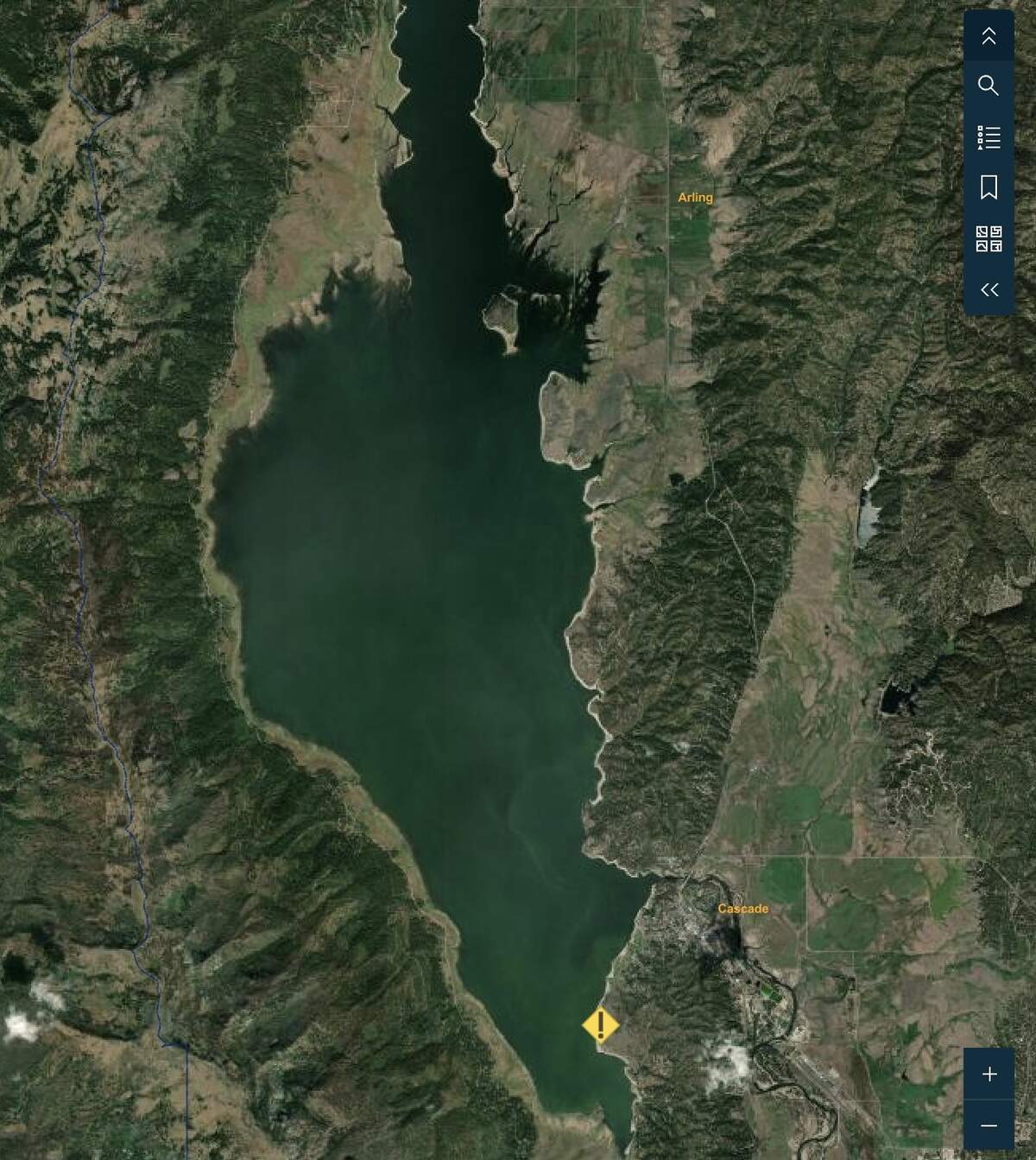
The Idaho Department of Health and Welfare issued health advisories for Lake Lowell near Nampa and the southeast side of Lake Cascade after health officials found toxic algal blooms.
Lake Lowell and the Van Wyck Boat Ramp area of Lake Cascade are new additions to the list of places the department urged the public to avoid in a Friday news release.
The Idaho Department of Environmental Quality took samples Aug. 12 at the two locations and found they exceeded the recreational health advisory threshold for the harmful algal blooms.
The algae blooms produce toxins that “can be harmful to people, pets and livestock,” according to the release. Health and Welfare officials said people should avoid any contact with water at both locations.
“Avoid swimming, wading or other contact with the water,” the department said. “Take extra care to ensure children do not drink or get the water on them.”
Health and Welfare also recommended taking extra precaution with pets and livestock to ensure they don’t drink or go in the water.
“If your pets or livestock have been in the water, immediately wash them with clean water to keep them from licking cyanobacteria off their bodies,” the health department said. “Seek veterinary care immediately if your pets or livestock seem sick after going in or drinking the water.
The Department of Environmental Quality and Health and Welfare found toxic algal blooms at several other lakes this summer, including the Bruneau Arm in Owyhee County, Hells Canyon Reservoir in Adams County, Brownlee Reservoir in Baker County, Crane Creek Reservoir in Washington County and Hordemann Pond in Moscow.
Health advisories for those bodies of water, aside from Hells Canyon Reservoir, are still in place.
The algae, called cyanobacteria, are a natural part of Idaho’s water bodies, according to the department. But when temperatures rise, algal population blooms, causing toxic chemical compounds to be released.
Exposure to the water could cause rash, hives, red eyes, wheezing, coughing or shortness of breath, according to the department.
Ingesting the water could cause stomach pain, diarrhea or vomiting and even liver damage for people and animals.
The department encouraged people to speak with their health care provider if they believe they may be sick from harmful algae or call the poison center at 1- 800-222-1222.
Idahoans can track toxic algae advisories and other health advisories through an interactive map from the Department of Health and Welfare.