Idaho wildlife refuge volunteers fear federal cuts could cause lasting damage
AI-generated summary reviewed by our newsroom.
- Idaho refuge volunteers warn federal cuts may reduce critical staff positions.
- House and Senate budget committees recommended FWS funding near but below 2025.
- Remote refuges without volunteer bases risk greater impact from budget shortfalls.
With 2026 federal budget talks at a standstill, the volunteer groups that help run Idaho’s national wildlife refuges are worried about what potential cuts to the U.S. Fish and Wildlife Service could mean for operations.
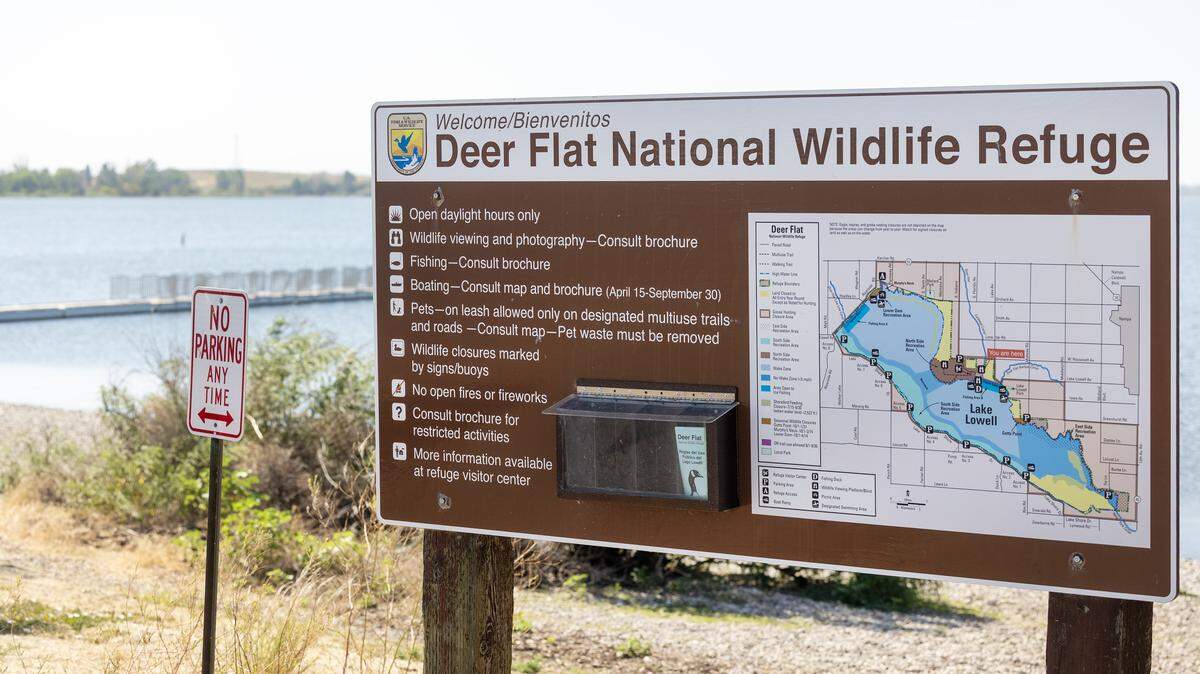
Deer Flat National Wildlife Refuge in Nampa is one of many across the country that rely on nonprofit organizations for “critical” volunteer support, Megan Nagel, a spokesperson for the Fish and Wildlife Service, told the Idaho Statesman.
Known as Friends groups, these volunteer-based organizations are multifunctional and provide fundraising, advocacy and community outreach when refuges cannot.
Earlier this year, the White House recommended more than $200 million in funding cuts to Fish and Wildlife, which houses the National Wildlife Refuge System. The Fish and Wildlife Service itself followed by requesting $500 million less than it was appropriated in 2025, according to the U.S. Department of the Interior.
Diana Shafer, executive director of Friends of Deer Flat, told the Statesman that Friends groups in Idaho are concerned about the impact such budget cuts could have on refuge operations, especially if jobs are eliminated.
“We don’t want to shrink down and rely on volunteers to do those paid positions, because otherwise you lose consistency and all the things that come with relying on volunteers,” Shafer said.
Deer Flat, the only refuge in Southwest Idaho, employs less than a dozen full-time federal workers, according to Shafer, but volunteers would not be capable of filling in for positions that require scientific training. Public News Service reported in early July that Friends of Deer Flat board member Becky Hanson was concerned that technical positions could be eliminated entirely there in the event of budget cuts.
Shafer echoed this concern to the Statesman. One position she considers essential is the urban wildlife biologist, who is conducting a species monitoring program that could be ended if her position were to be eliminated as a result of the Trump administration’s proposed budget cuts.
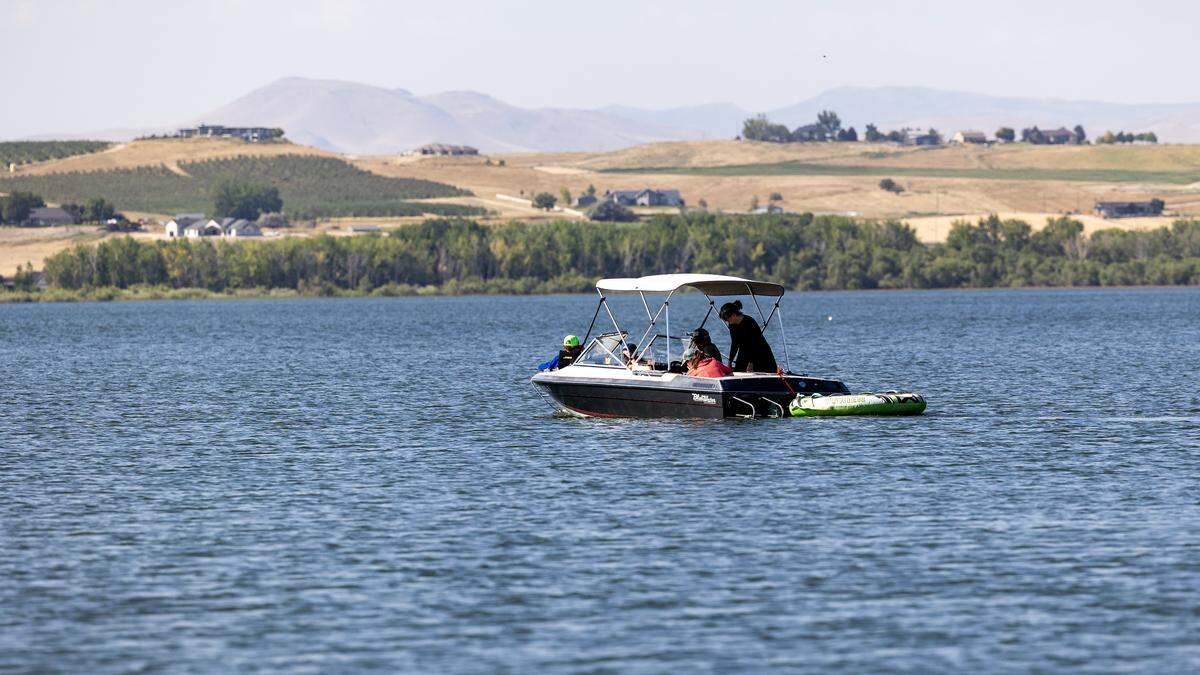
“We wouldn’t want to lose all the information that she’s worked to get,” Shafer said.
Over an email exchange, Nagel did not answer whether or not there were internal concerns about Fish and Wildlife Service budget cuts or staffing shortages.
“As part of the broader efforts led by the Department of the Interior under President Trump’s leadership, we are implementing necessary reforms to ensure fiscal responsibility, operational efficiency, and government accountability,” Nagel told the Statesman.
Where wildlife refuge funding stands
Despite the Trump administration’s desire to slash the Fish and Wildlife budget by hundreds of millions of dollars, the U.S. Senate and House appropriations committees have recommended funding closer to that of 2025, but still slightly less. In Fiscal Year 2025, the agency was appropriated about $1.67 billion; for FY 2026, the House and Senate committees have proposed $1.57B and $1.66B, respectively.
The versions passed the committees, but neither the House nor the Senate has voted on them. With the House taking its summer recess early and no longer in Washington, D.C., the federal budget process is going nowhere until after Labor Day. The new fiscal year will start Oct. 1.
The House appropriations bill was sponsored by U.S. Rep. Mike Simpson, R-Idaho. In an emailed statement, Simpson told the Statesman that as the chairman of the House committee responsible for the agency’s funding, he has “been in close contact with officials to gather answers and to understand the impact in Idaho.”
“I share the Trump administration’s goal of reducing the size of the federal government,” Simpson told the Statesman.
Representatives for the other three members of Idaho’s congressional delegation — Republican Sens. Mike Crapo and Jim Risch, and Rep. Russ Fulcher — either declined to comment or did not respond to requests to comment.
Shafer said that Friends of Deer Flat has been working to advocate for the well-being of wildlife refuges by speaking with government officials about their concerns.
“We had a staffer from Simpson’s office come, and we were able to talk to him about, you know, not just keeping public land public, but also our budget concerns and staffing concerns and everything like that,” she said. “We’re trying to build up our friends.”
How other Idaho wildlife refuges could fare
Idaho is home to seven national wildlife refuges, according to the Fish and Wildlife Service. Deer Flat is the only one that is part of the FWS Urban Wildlife Conservation Program, which helps refuges near cities and suburbs provide environmental education and amenities to residents.
Shafer said that in spite of encroaching development, Deer Flat’s urban location encircling Lake Lowell may make the refuge less vulnerable to federal funding cuts. She expressed concern for rural refuges that might not have a local base of volunteers to draw from.
Minidoka National Wildlife Refuge, for example, has no dedicated Friends group. Sitting in south-central Idaho along the Snake River about halfway between Twin Falls and Pocatello, Minidoka’s neighboring towns are far less populated, while Deer Flat sits right on the edge of the heavily populated Treasure Valley.
With the National Wildlife Refuge System’s outspoken reliance on volunteer groups to perform essential work, rural refuges could suffer without paid workers and with few volunteers to help pick up slack.
“A lot of refuges are really struggling and really rely on their Friends groups and have a really limited staff,” Shafer said. “Deer Flat used to only have three full-time staff members, and that’s grown ... and so we want to keep it that way.”