Poison hemlock grows across Idaho. Here’s how to identify, what to do with deadly plant
Idaho weather is once again allowing for yard work and exploring the wilderness, but outdoor enthusiasts should be prepared for potential threats. That’s especially true when it comes to identifying and avoiding toxic plants.
Chief among those is the deadly hemlock. Easily confused with other, non-poisonous plants, hemlock grows in states across the United States and is most toxic during the warm, sunnier months. In Idaho, the invasive weed is often found in poorly drained soil, such as near a stream or ditch, and is often mistaken for common yarrow, sweet fennel and other lookalike plants.
The Ada County Noxious Weed Control Action Plan calls for landowners to contain hemlock and prevent it from spreading if they discover it on their land.
Here’s what to know about this toxic plant.
What is poison hemlock?
Poison hemlock is a stout, erect plant with a center stalk and light green stems and fern-like leaves that can grow up to 12 feet tall in portions of north-central and Southern Idaho. It has umbrella-shaped clusters of white flowers with 12-15 flowers with five petals.
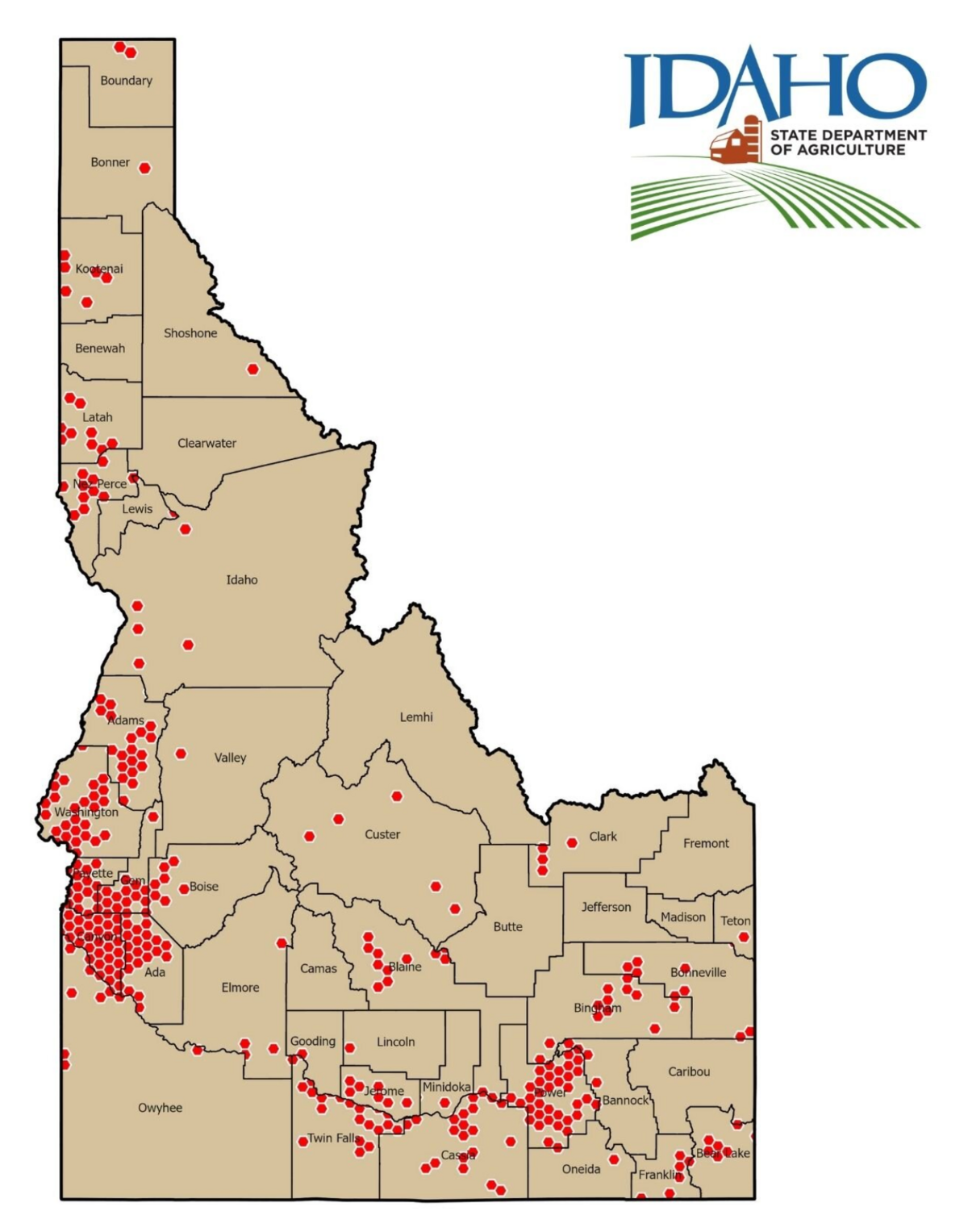
Ada County’s website notes that poisonous hemlock can be found in very wet areas such as irrigation ditches and structures, and high-traffic areas are treated as a priority for the removal of hemlock.
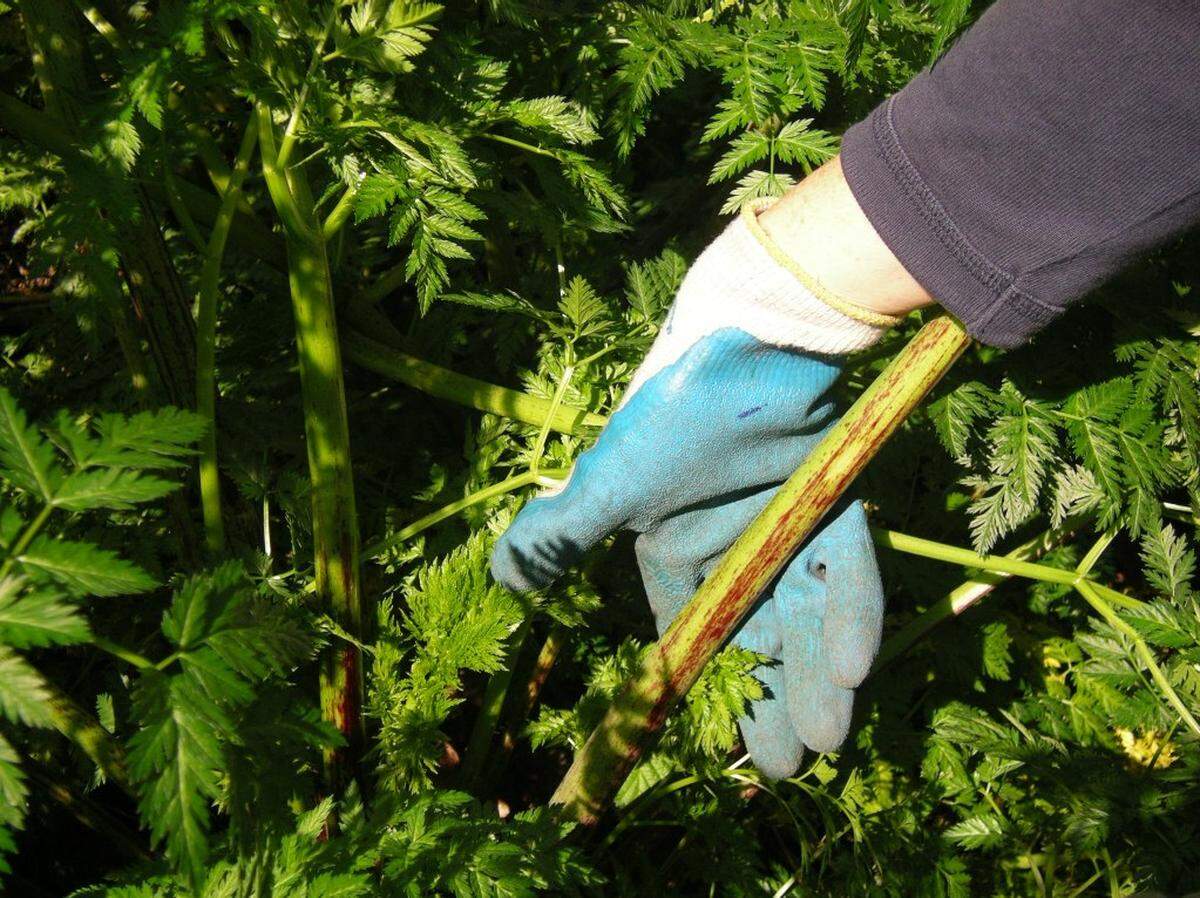
All parts of the plant are extremely poisonous.
Poisoning can happen in humans from inhaling the plant’s fumes or through skin contact. Humans can also die in two hours if six to eight leaves are ingested. It was even used to poison prisoners as a form of execution in ancient Greece, including Socrates.
The plant is also toxic for animals, including cats, dogs and horses. But experts say it isn’t likely small animals will eat enough hemlock to experience severe poisoning. Regardless, if you think your pet ate poison hemlock, call the Pet Poison Helpline at 855-764-7661.
What plants look like hemlock?
Poison hemlock is often confused with many plants. Here’s what you should know about those lookalikes.
- Common yarrow: Edible and medicinal. Grows shorter than hemlock. Distinct frilly leaves.
- Sweet fennel: Edible. Flowers are yellow instead of white. Entire plant smells like anise or licorice.
- Elderflower: Edible flower blossoms. Leaves will branch off in exact opposites, where hemlock leaves alternate.
- Cow parsley: Edible. Grows shorter than hemlock. Stems are ridged, not smooth like hemlock, and hairs grow on underside of leaves.
- Wild carrot: Also known as Queen Anne’s Lace. Edible and medicinal. Grows shorter than hemlock. Stem has hairs, unlike hemlock’s smooth stem.
- Wild parsnip: Roots are edible but the stem and foliage contains toxic chemicals. Stems are about 5 inches tall and are hollow and grooved.
What should I do if I touch hemlock?
The Centers for Disease Control and Prevention outlines the following steps if you touch a poisonous plant like hemlock.
- Rinse immediately with rubbing alcohol, poison plant washes or dishwashing soap and plenty of water. Scrub under nails.
Apply wet compresses, calamine lotion or hydrocortisone cream to the skin to reduce itching and blistering.
Take an antihistamine like Benadryl to help relieve itching.
Get medical help in severe cases, or if the rash is on the face or genitals.
Call 911 or go to a hospital emergency room if you have a severe reaction, such as swelling or difficulty breathing.
What do I do with hemlock plants?
If you find poison hemlock in Idaho, you can report it to Ada County Noxious Weed Control experts by calling (208) 577-4646. The weed control experts will be able to guide you on what to do next, with the most likely cause of action being to prevent the spread of the weed by killing it.
If you found a small patch of hemlock on your land, use protective clothing and gloves to dig up the plant, including its taproot. Use herbicides for larger occurrences.
This story was originally published June 13, 2023 at 4:00 AM.