The Boise Foothills are being destroyed. Here’s how you can help, check trail conditions
Another winter and another year of torn-up and damaged hiking trails throughout the Boise Foothills.
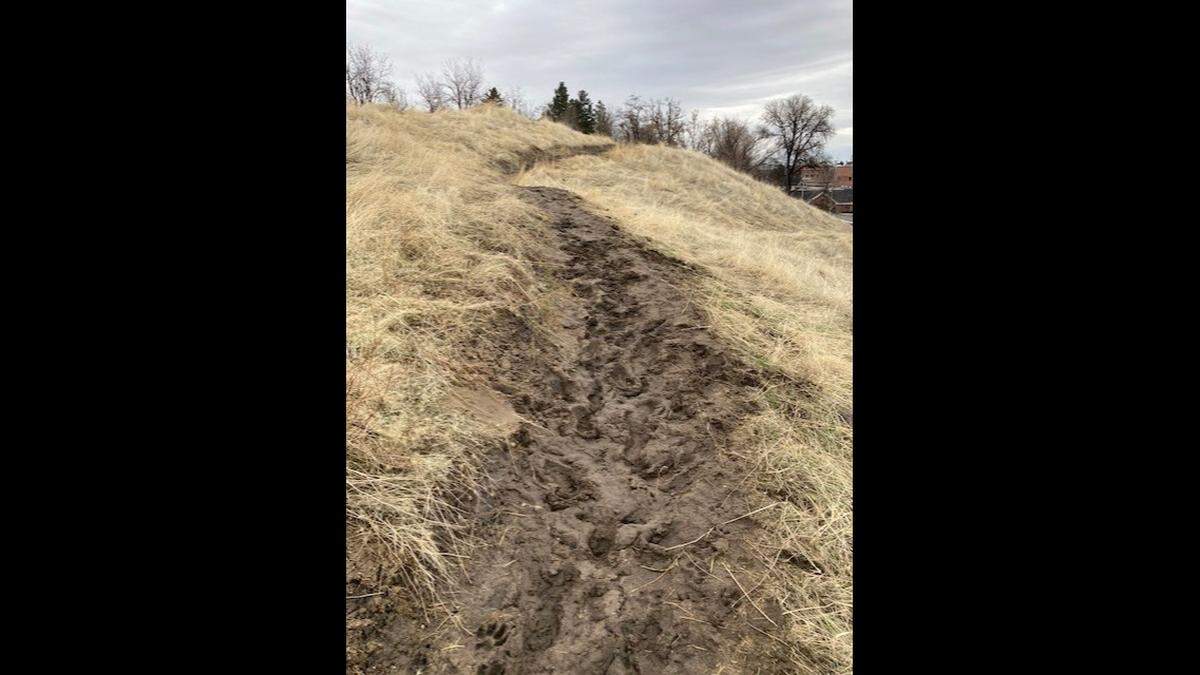
Ridge to Rivers, the agency that oversees and maintains Boise’s over 250 miles of trails, reported last week that several of the area’s most popular routes have been “virtually destroyed.”
Tram Trail, Table Rock and the bottom of Kestrel Trail are all in poor condition, Ridge to Rivers director David Gordon told the Idaho Statesman last week. And they’re not the only ones trails suffering from erosion.
Gordon said they’ve tried to close trails in the past, but because the Ridge to Rivers system is so interconnected, it’s difficult to close off a path to hikers completely. He also said many people often ignore closed gates and climb over them.
Ridge to Rivers has been asking hikers to be mindful of the trails and other people when choosing a hike to go on — especially during the winter and spring months when many trails are wet.
Fortunately, there are ways to check the conditions of a trail before you even step out of the door.
Interactive trail conditions map
Ridge to Rivers has featured an interactive map on its website for a while, but it received a significant upgrade this past November.
The map now has a “current trail conditions” feature, which color codes every trail based on whether people can hike it.
The keycode lets hikers know whether a trail is clear to walk on, starts dry before turning muddy later on, is muddy throughout, or is completely closed. Each designation also provides guidance on whether a trail should be hiked, but the general rule of thumb is that muddy conditions mean you should turn around.
The interactive map is available at ridgetorivers.org on desktop or mobile phones.
Why shouldn’t you use muddy trails?
Using trails when they are muddy is the primary cause of trail damage, according to Ridge to Rivers. The agency lists the top five reasons why you should avoid muddy trails on its website:
Don’t walk along the adjacent vegetation if you see a muddy trail. Doing so tramples and kills the vegetation and widens the path; Ridge to Rivers tries to maintain single-track trails.
As trails widen, trail erosion subsequently increases and becomes more challenging to maintain and repair.
Ridge to Rivers builds specifically-designed drainage systems to divert water away from the trails and minimize erosion. Walking on muddy trails or adjacent vegetation tramples and flattens the drainage channels, resulting in deeply eroded trails.
Not only does walking on muddy trails increase erosion, but it also becomes a safety hazard. Foot prints, paw prints and tire tracks freeze and create dangerous ruts and divots, which become dangerous to people traveling on the trails when the ground is dry or frozen.
Continued irresponsible use of trails will ultimately result in them becoming unusable.
This story was originally published January 9, 2023 at 1:27 PM.