
More bald eagles than officials can remember seeing before spotted at Idaho state park
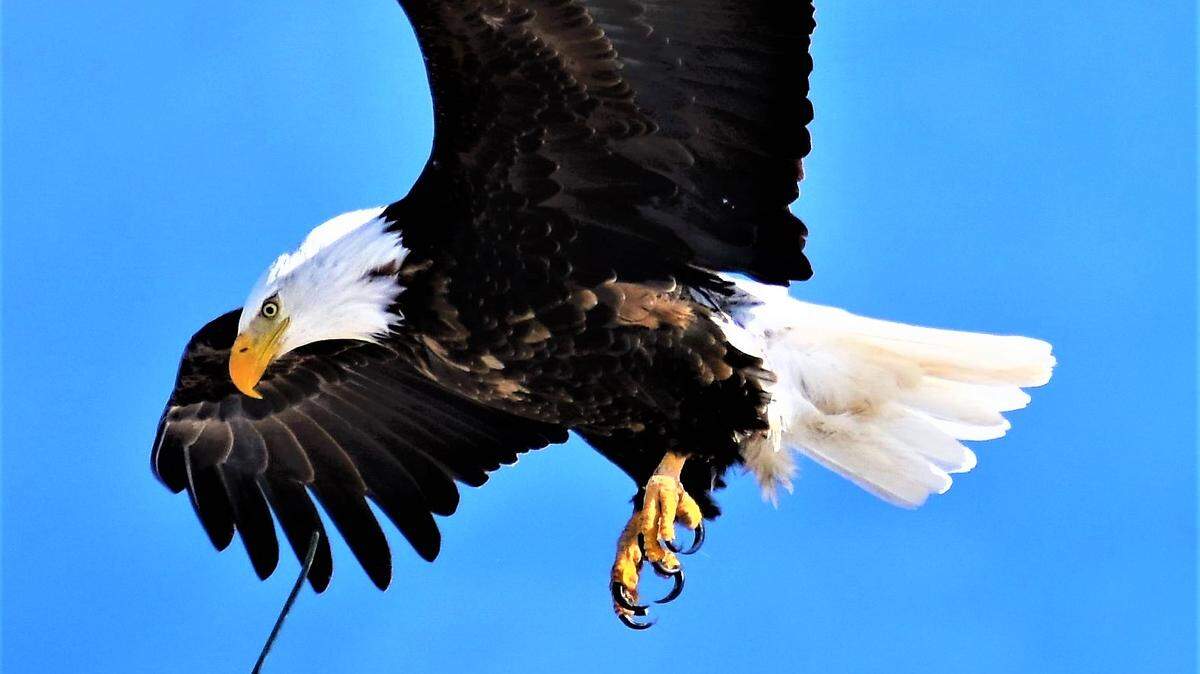
More bald eagles than rangers have seen in years have been flying around an Idaho state park, rangers said.
At least 20 bald eagles have been spotted at Bear Lake State Park in southeast Idaho over the past week, Ranger Andy Stokes told the Idaho Statesman.
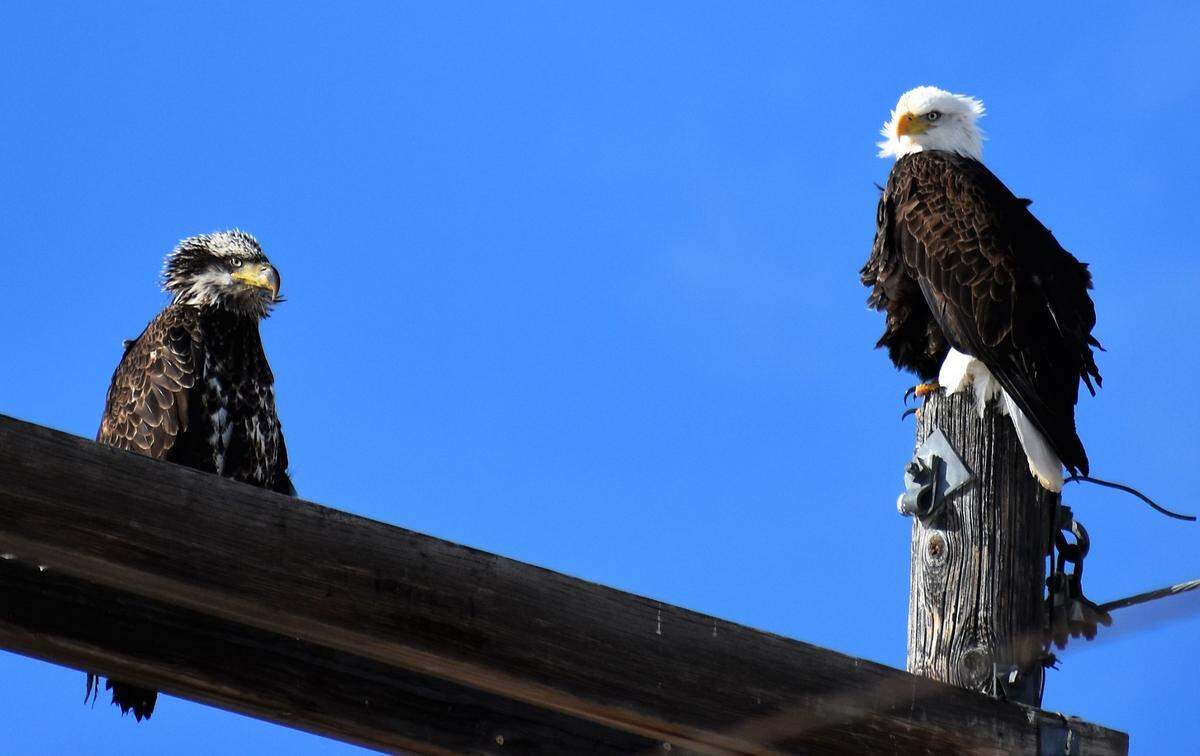
Bald eagles have been known to visit the park during winter, but this year there are more than usual.
“Park staff can’t remember the last time we’ve seen so many bald eagles pass through,” Stokes said in an email. “To see such a large convocation like we have this year is very exciting and indicates that populations are strong.”
The birds seek out areas that have open bodies of water like lakes and rivers where they can easily catch fish, Stokes said. Bald eagles have been found at Bear Lake during February and March, likely because of the water.
Bear Lake is 20 miles long and 8 miles wide, according to the Idaho Department of Parks and Recreation. Some of the lake is in Utah, and is known to have opportunities for bird watching because of its location near National Wildlife Refuges.
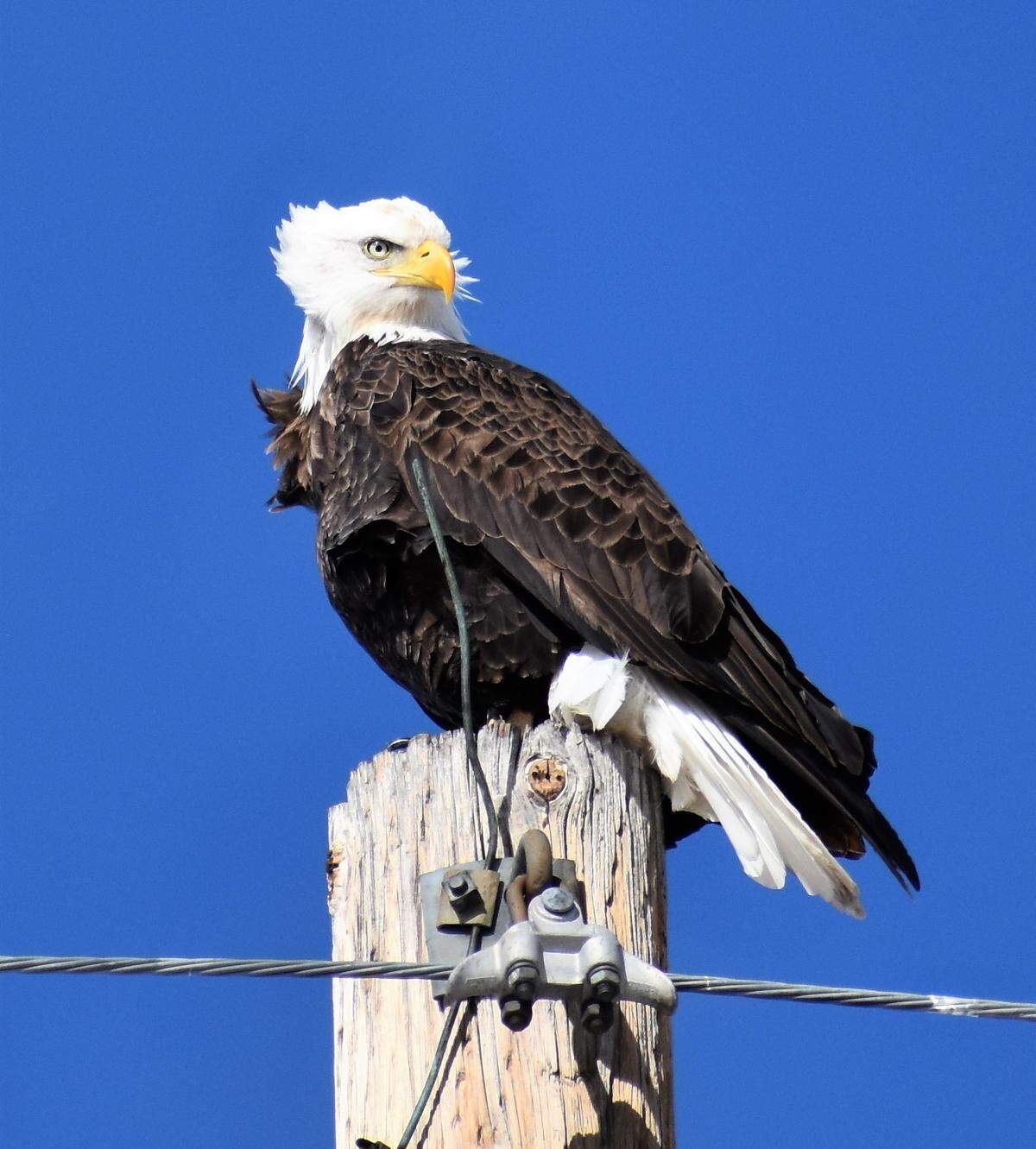
“Convocations of wintering bald eagles will seek out open bodies of water like lakes and rivers, wherein fish are readily available for hunting or scavenging. They range through much of Canada and Alaska, all the contiguous United States, and northern Mexico,” Stokes said. “The bald eagle is an opportunistic feeder but feed mainly on fish from open bodies of water.”
Rangers have spotted several adults and some young bald eagles in the group, Stokes said. Some could be in their first or second year of life, park officials said.
The large group of bald eagles in one place likely means good news for the overall population, Stokes said. In 1940, officials were concerned about the decreasing number of bald eagles in the U.S. and passed the Eagle Protection Act, according to Idaho Fish and Game. The species is no longer considered endangered or threatened.
The bald eagles at Bear Lake will move on to a new location soon, state park officials said.
“If you haven’t had a chance to make it out to North Beach, you need to before these beautiful birds move on,” park officials said on Facebook.