
Bison, not only cattle, belong on BLM grazing lands | Opinion
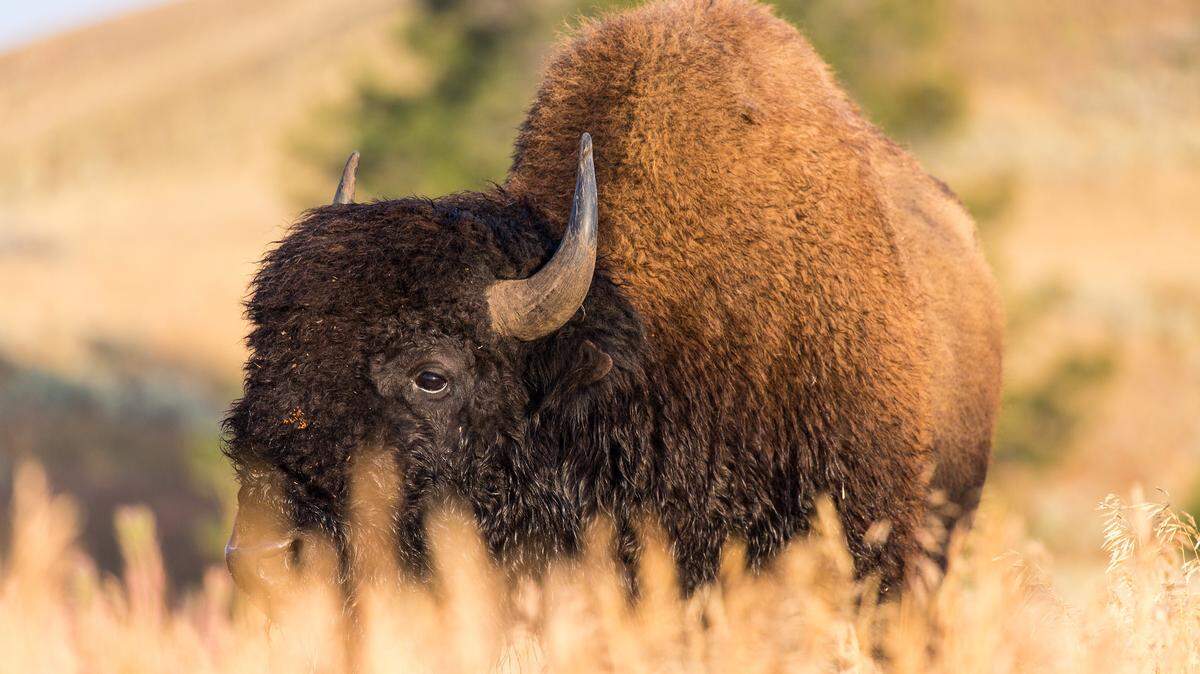
It is overwhelming to keep up with the unlimited energy of the Trump administration, which is doing as much as it can to take us back to the mistakes of the past, ignoring lessons learned from over 200 years of environmental destruction in the West.
The latest effort by the administration and the Bureau of Land Management (BLM), announced on May 8, is to revoke the grazing rights of bison herds from federal lands in Montana. The BLM ruled that, under the Taylor Grazing Act, this land is intended for livestock that are raised for production purposes only — not for the non-profit, subsistence-based grazing of the American bison. This, despite the fact that “production-oriented purposes” is not specifically defined anywhere in the Taylor Act.
By allowing cattle grazing and disallowing bison grazing, this decision favors the interests of a few wealthy cattle ranchers over those of the Coalition of Large Tribes — a group representing more than 50 Native nations that manage 25,000 bison as livestock, meaning food for the tribes and others. It also undermines the goals of the American Prairie Reserve, the largest non-profit project in the lower 48 states, which has spent two decades restoring bison to 63,500 acres of public land in Northern Montana, in order to benefit and strengthen the entire ecosystem. The bison’s grazing, trampling and wallowing behaviors make local vegetation more robust while also creating microhabitats for a diverse array of plants and animals.
In the early 1800s, between 30 and 60 million bison ranged free across North America. Due to overhunting, by the 1890s there were only about 350 bison left in the US — 200 of those in Yellowstone National Park. By 1892, the Yellowstone herd had dwindled to fewer than 25. In the late 1800s and early 1900s private ranchers and conservationists realized bison were on the brink of extinction and started to bring their numbers back. There are currently about 500,000 bison in North America. Ninety percent are privately managed as livestock, and 30,000 to 50,000 live in conservation herds stewarded by public lands tribes and conservation groups.
Historian Dan Flores wrote in “American Serengeti” about the disaster we have visited upon the Great Plains: “In effect, we dismantled and demolished a 10,000-year-old ecology, very likely one of the most exciting natural spectacles in the world, in the space of a half-century.” How quickly we can destroy an entire ecosystem, and how costly it is to restore an ecosystem once it is lost.
Historian and activist Bernard DeVoto wrote words in 1947 that ring true today and are relevant to this latest decision: “The Cattle Kingdom never owned more than a minute fraction of one percent of the range it grazed: it was a national domain, it belonged to the people of the United States. They don’t own the range now; mostly it belongs to you and me, and since the fees they pay for using public land are smaller than those they pay for private land, those fees are in effect one of several subsidies we pay them.”
Cattle can have destructive effects on prairie ecosystems, by competing for forage and degrading vegetation. Bison, by contrast, have been shown to create richer, more biodiverse grasslands. This can help prairies survive the severe drought conditions that many parts of the West have been experiencing, and with climate change will continue to experience. The wealthy cattle industry, and the Trump administration desire to privatize public land for the few and, in this case, will take away the public’s right to participate in public land decision-making.
This decision will make it impossible to graze bison or other native species for the restoration of public land, and it will once again threaten the culture and sovereignty of 50 Native nations that raise bison as livestock.
We have an opportunity to recreate an entire ecosystem that once thrived, and one in which bison roamed freely. Or we can return to our past exploitation and the commodification of the ecosystem, pursuing transient economic profit for the few at the expense of the long-term costs to the ecosystem that impacts all of us, whether we live in the West or not.
The public and all land managers and stewards of public land needed to be included in public land decisions. With climate change, drought will become longer, hotter, and more extreme on the Great Plains. Bison, as a species, have great potential to maintain and enhance the biodiversity and strength of a prairie ecosystem. Let us turn away from our past tactics of environmental destruction, and instead toward the regenerative, historical presence of bison on our prairies.
David Gallipoli is a photographer, writer and activist.