
Kratom may be ‘natural’ but that doesn’t make it safe. Wake up Idaho | Opinion
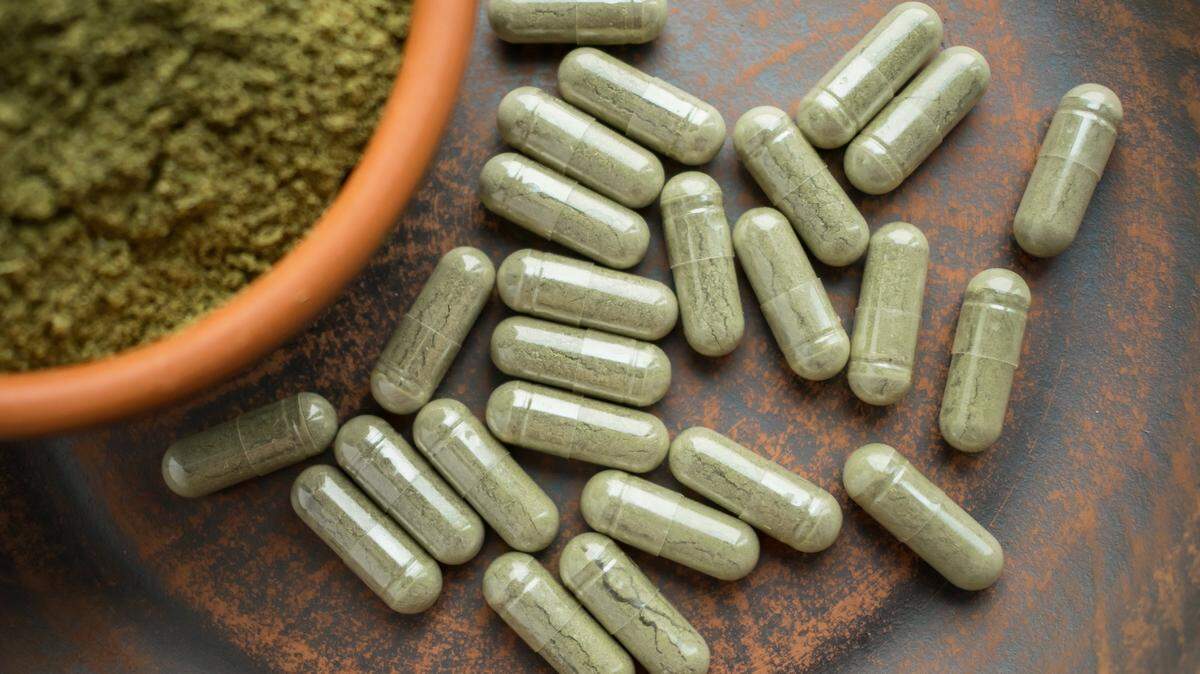
The National Survey on Drug Use and Health estimates that there were almost 2 million Americans who used kratom in 2021. It is safe to assume that this number has gone up in the past five years.
You may have seen signs advertising kratom at convenience stores, vape shops, gas stations, or on the Internet or social media and have wondered what this is. Kratom is a tree from Southeast Asia that is related to the coffee plant. Like the coffee plant, kratom has a stimulant effect at lower doses. But unlike coffee, it has an opioid effect at higher doses.
The main active chemical in kratom is called mitragynine. There are other active chemicals in kratom, but a more common one to find in enriched and isolated products right now is 7-hydroxymitragynine (7-OH). This chemical is found in very small amounts in the kratom leaf, and it is also made in the human body when it breaks down mitragynine.
Both of these chemicals, and kratom in general, are unregulated in Idaho. Kratom is often consumed as a tea, capsule or powder, and 7-OH is often found in tablet form or liquid extract. Pharmacologically, both kratom and 7-OH have similar actions to opioids in the brain. However, the effect of 7-OH is even stronger than morphine.
Doctors are concerned about kratom and 7-OH products because of their pharmacologic effects and risks of harm. These products are marketed as natural, but that does not mean they are without risk. These products can be addictive, causing people to consume more and more of the product to get the same effect.
Healthcare providers in Idaho have seen breathing problems, pediatric overdoses, newborn withdrawal syndromes, skin changes, medication interactions, addiction and other problems from these substances. There have also been reports of seizures and liver toxicity. These substances have been linked to deaths in several states, including Idaho.
Because these substances bind to the opioid receptor in the brain, naloxone (Narcan) can be used to reverse an overdose. Some signs of an opioid overdose are slowed or absent breathing, lips turning blue or gray, and small pupils.
In conclusion, doctors and other healthcare providers in Idaho have a lot to be concerned about with kratom and 7-OH. Idaho consumers should be aware of what they are consuming and the risks associated with the products. Please be aware of what products you or loved ones are consuming, and talk to your children about these risks.
For more information on kratom and 7-OH is available from the Food and Drug Administration.
If you or a loved one are struggling with addiction, resources are available.
Idaho’s Poison Control Hotline is 800-222-1222.
Dr. Cate Heil, MD completed her residency and fellowship training in Idaho. She now works as a Family Medicine and Addiction Medicine doctor in the Treasure Valley.